The Six Types of Chinese Tea: A Complete Guide for People Who Just Want Good Tea
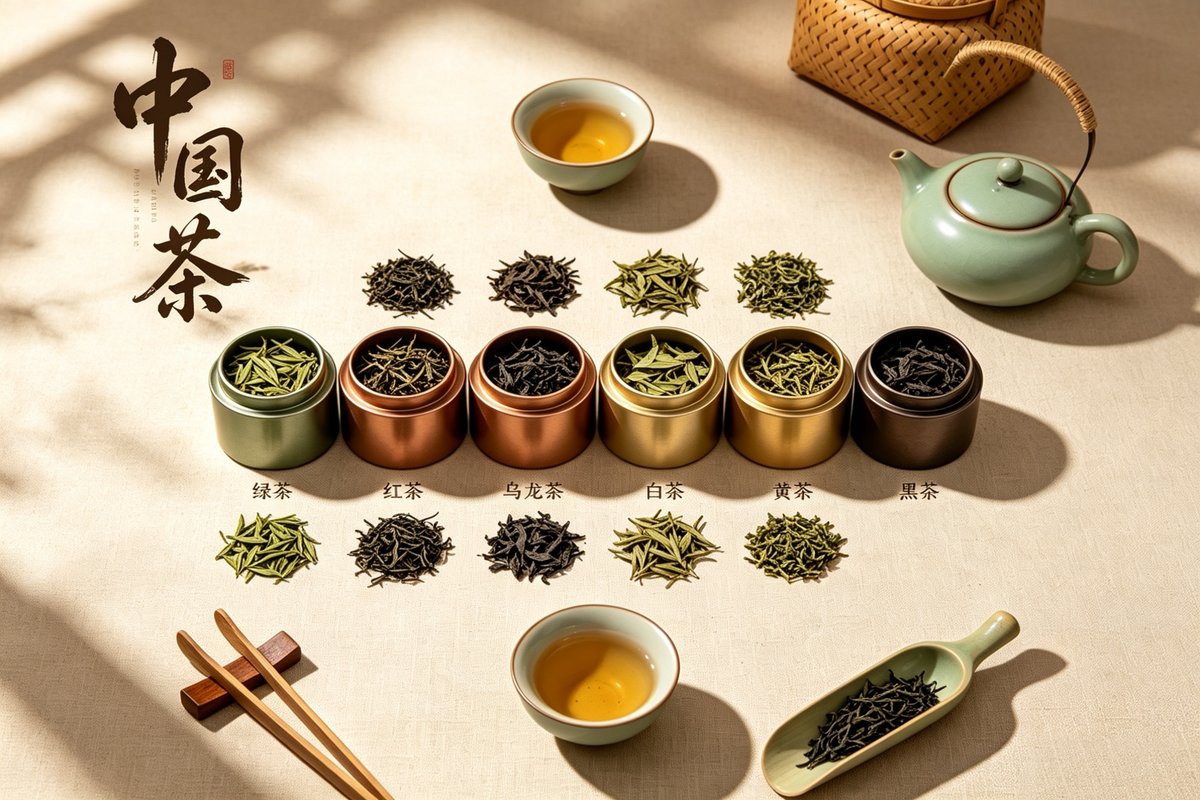
I’ve spent nearly thirty years in China, and in that time I’ve drunk more tea than I can count. Green tea from a porcelain gaiwan in a Hangzhou teahouse. White tea from a chipped mug in a Fujian farmer’s kitchen. Pu’er pressed into a cake older than I am. Tea that cost more than a nice dinner, and tea that came in a crinkled plastic bag from a street-corner shop for twelve yuan. I’ve met collectors who talk about vintages the way sommeliers talk about Bordeaux, and old men in parks who brew the same jasmine blend every morning in a pickle jar and wouldn’t trade it for anything.
Here’s the thing I learned, slowly, over all those years: 茶无贵贱,适口为珍 — tea has no noble or common; what suits your palate is what’s precious.
That’s not a platitude. It’s the most practical advice about Chinese tea you’ll ever hear. You don’t need the most expensive cake of aged pu’er. You don’t need a Yixing clay pot seasoned across three generations. You just need to find your tea.
This guide is about helping you do that.
The Six Families
All tea — green, black, oolong, white, yellow, dark — comes from the same plant: Camellia sinensis. The difference between them is not the leaf. It’s what happens to the leaf after it’s picked. Specifically: how much it oxidizes.
Oxidation is the same process that turns an apple slice brown. When you crush or roll a tea leaf, its cell walls break open, enzymes meet oxygen, and the leaf’s chemistry transforms. Stop the process early, you get green tea. Let it run, you get black tea. Control it somewhere in the middle, you get oolong. The six types are really six stops on a single spectrum.
🟢 Green Tea (绿茶) — 0% Oxidation
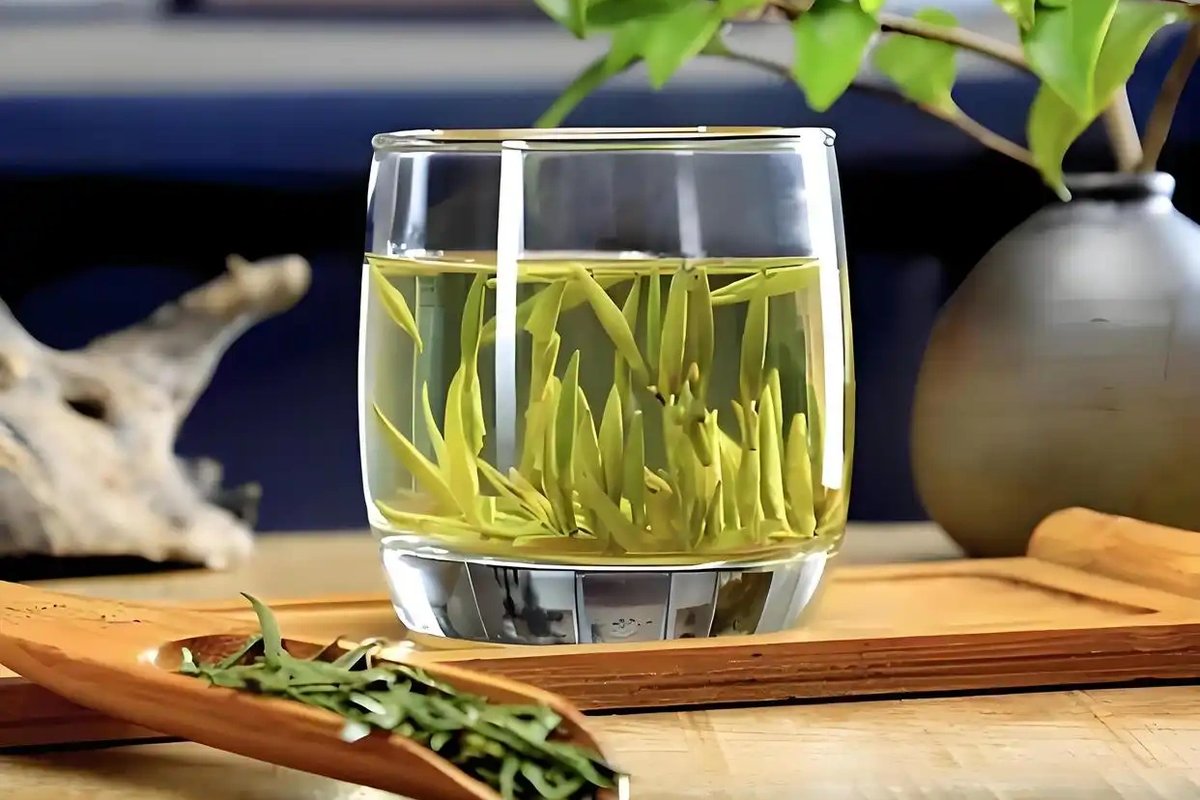
The leaf is heated immediately after picking — pan-fired in China, steamed in Japan — to kill the enzymes before they can start their work. What you’re tasting is the leaf itself, as close to alive as it gets.
Taste: Vegetal, nutty, marine. Think steamed edamame, roasted chestnuts, fresh-cut grass after rain. Zero bitterness when brewed right.
Famous examples: Longjing (Dragon Well), Biluochun, Huangshan Maofeng
The one thing to remember: Cool your water to 75-80°C. Boiling water is a green tea murder weapon.
🔴 Black Tea (红茶) — 100% Oxidation
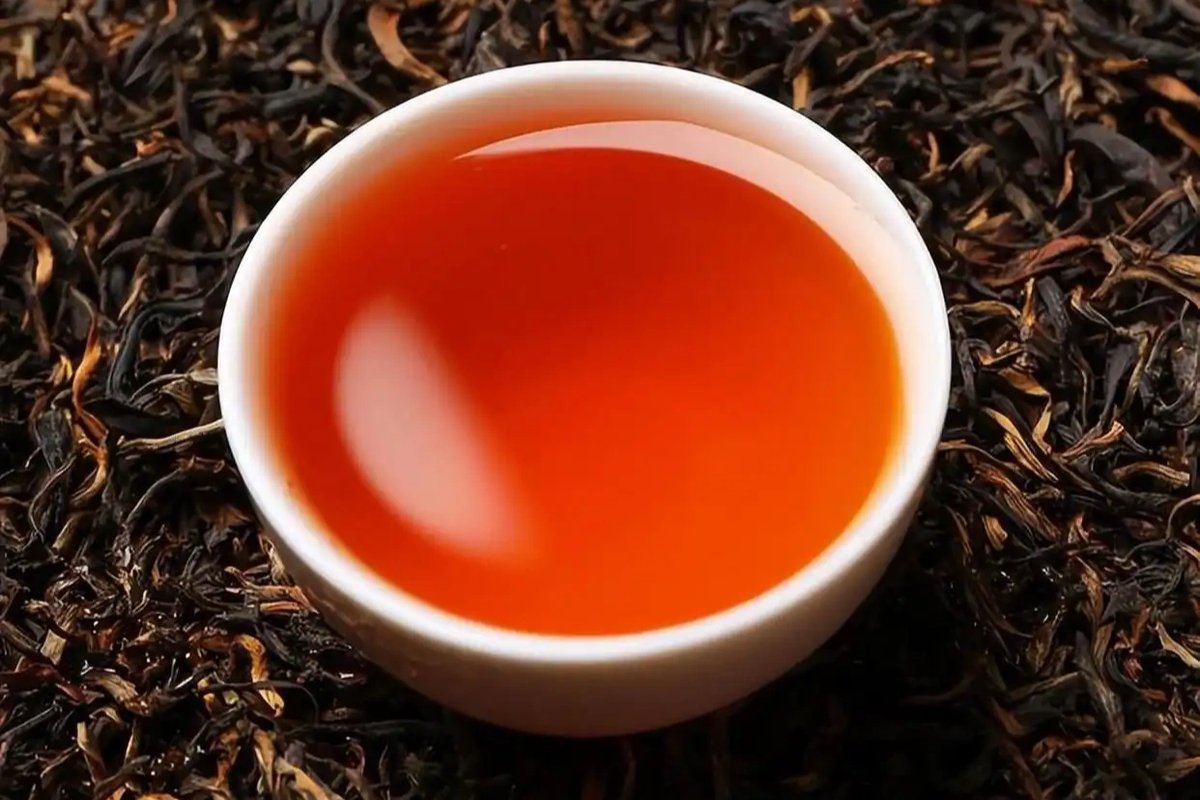
In China, this is called hong cha — “red tea,” named for the color of the liquor, not the leaves. The leaves are fully oxidized before drying, which transforms the fresh, grassy polyphenols into deeper, sweeter compounds. This is what most of the Western world means by “black tea.”
Taste: Malt, honey, cocoa, dried fruit. Smooth, no astringency. Takes milk well but doesn’t need it.
Famous examples: Keemun (Qimen), Zhengshan Xiaozhong (Lapsang Souchong), Dianhong (Yunnan black)
The one thing to remember: Chinese black tea is naturally sweet. If you’re adding sugar, the tea is bad or your water is wrong.
🟤 Oolong Tea (乌龙茶) — 10-70% Oxidation
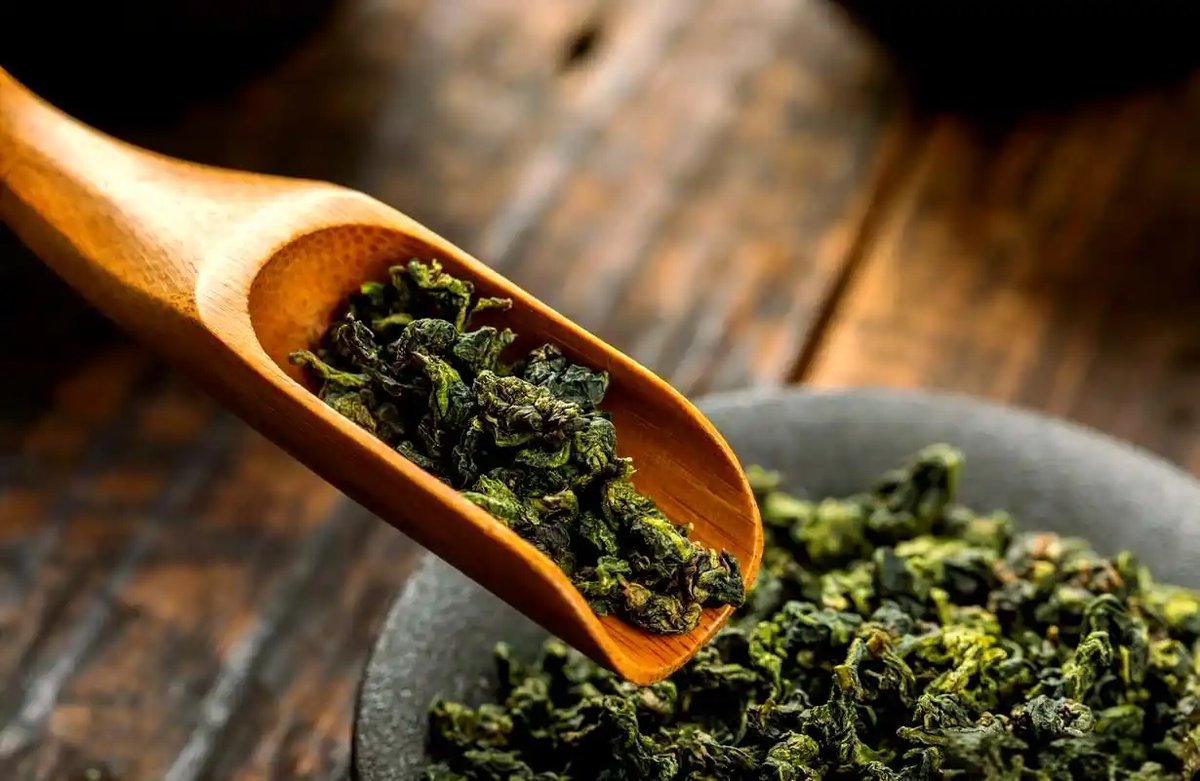
Oolong is the category that breaks the rules. It’s partially oxidized — anywhere from a whisper (closer to green) to near-black (closer to red). The range is so wide that a light Tieguanyin and a dark Dahongpao taste like they come from different planets.
Taste: Floral, creamy, roasted, stone-fruit. Oolong is the perfume counter of Chinese tea. It smells like orchids and tastes like buttered toast.
Famous examples: Tieguanyin (Iron Goddess), Dahongpao (Big Red Robe), Fenghuang Dancong (Phoenix Single Bush)
The one thing to remember: Oolong is the only tea that genuinely gets better with multiple steeps. The third pour is often the best one.
⚪ White Tea (白茶) — Minimal Processing
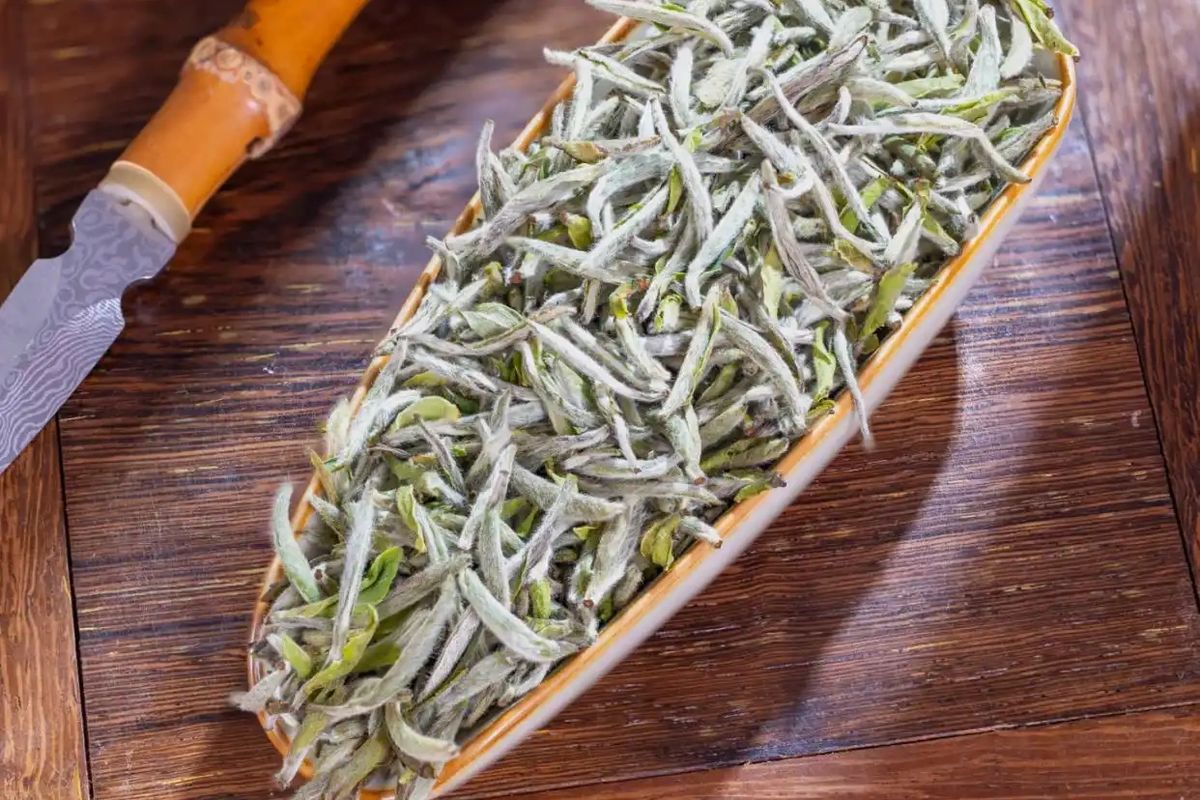
White tea is tea doing as little as possible. The leaves are picked, withered in the sun, and gently dried. No rolling, no firing, no shaping. What you get is the leaf in its laziest, most honest form.
Taste: Honey, hay, melon, a faint floral sweetness that feels more like a suggestion than a statement. White tea whispers. You have to lean in.
Famous examples: Baihao Yinzhen (Silver Needle), Bai Mudan (White Peony), Shou Mei
The one thing to remember: White tea doesn’t go bitter no matter how long you steep it. It’s the most forgiving tea in existence — perfect for people who forget they’re making tea.
🟡 Yellow Tea (黄茶) — The Rare One
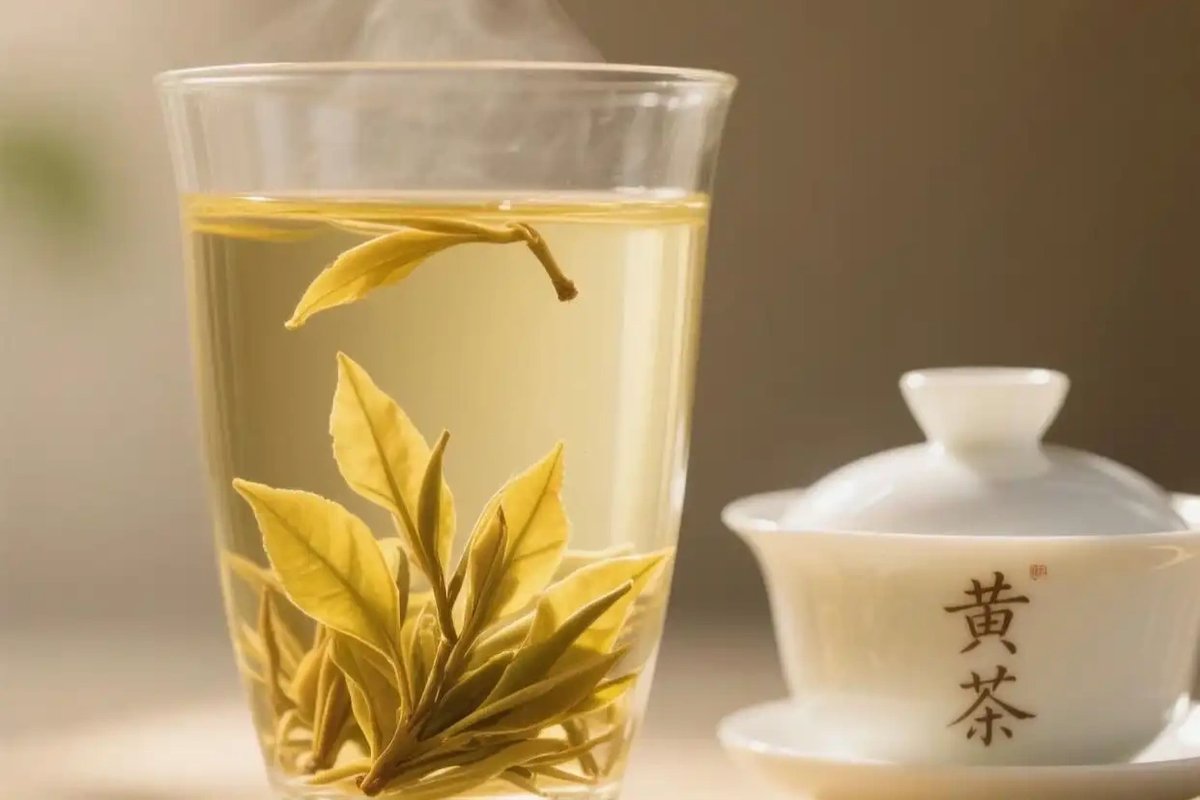
Yellow tea is green tea with one extra step: men huang (闷黄), “sealing yellow.” After the kill-green heating, the leaves are wrapped in cloth and left to sweat gently. A tiny bit of non-enzymatic oxidation happens, softening the grassiness of green tea into something rounder and sweeter.
Taste: Sweeter than green tea, with a mellow, almost buttery finish. No grass. No bite.
Famous examples: Junshan Yinzhen, Huoshan Huangya, Mengding Huangya
The one thing to remember: Yellow tea is rare because it’s a pain to make correctly. If you find it, buy it. It’s worth the hunt.
⚫ Dark Tea (黑茶) — Fermented
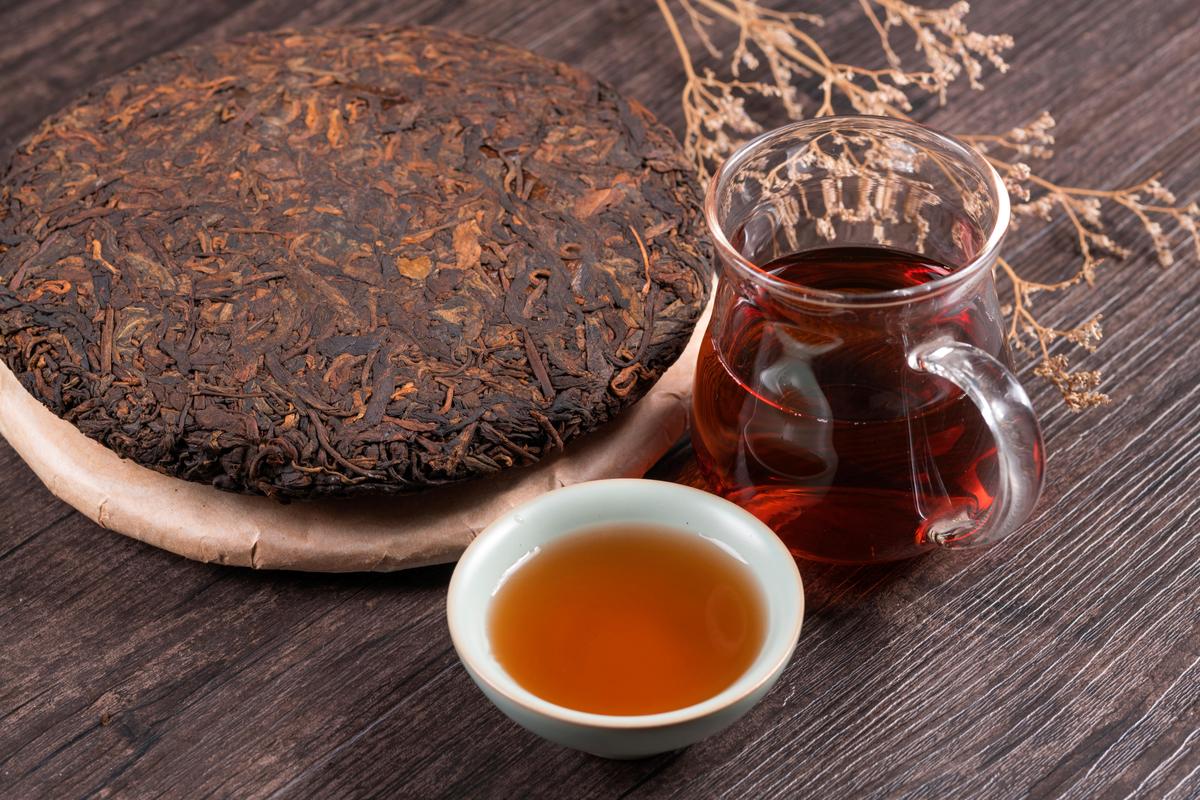
Dark tea is the category that confuses everyone, because it’s not just oxidized — it’s fermented. After the leaves are processed, they’re piled up, moistened, and left for weeks or months while microbes do their work. This is the same principle behind composting, miso, and sourdough — controlled rot that creates entirely new flavors.
Pu-erh (普洱) is the rockstar of this category, but not all dark tea is pu-erh.
Taste: Earth, leather, wood, dried dates, petrichor after summer rain. It tastes like a forest floor smells. This sounds terrible. It’s not. It’s addictive.
Famous examples: Sheng (raw) Pu-erh, Shou (ripe) Pu-erh, Anhua dark tea, Liubao tea
The one thing to remember: Pu-erh gets better with age. Some cakes sell for more than a used car. You don’t need those. Start with a five-year-old ripe pu-erh and work backwards.
So Which One Should You Start With?
If you drink coffee and like bold flavors: black tea (Dianhong is affordable and tastes like honey) or ripe pu-erh (earthy, grounding, nothing like tea you’ve had before).
If you prefer light, delicate flavors: white tea (Silver Needle is impossible to mess up) or green tea (Longjing, but PLEASE cool your water).
If you want to be surprised: oolong. Tieguanyin smells like an orchid greenhouse. It will ruin you for teabags forever.
If you just want to explore: buy one of each type. Spend $5-10 per sample. The best tea education is drinking six cups side by side and letting your mouth figure out what your brain can’t.
Three Brewing Rules That Apply to All of Them
One: cool the water. Boiling kills everything except black and dark tea. For green and white, let your kettle sit two minutes after boiling. For oolong, one minute. If you don’t have a temperature-controlled kettle, this is your first purchase.
Two: use more leaf than you think. A teaspoon is not a serving. Chinese tea is meant to be brewed with enough leaf to fill about a quarter of your vessel. The flavor comes from leaf-to-water ratio, not steep time.
Three: steep short, steep again. Thirty seconds. Pour. Taste. Then steep again for forty seconds. Then fifty. Good Chinese tea gives you four or five pours from the same leaves, and each one tastes different. This is not a bug. This is the point.
If You Want to Try It
As an Amazon Associate, I earn from qualifying purchases. If you click my affiliate links and buy something, I may get a small commission at no extra cost to you. I only recommend products I’ve used or researched thoroughly.
A temperature-controlled electric kettle is the single best investment for Chinese tea. The Bonavita gooseneck holds temperature to the degree, and the narrow spout gives you control over the pour. If you want to start with actual tea, grab a beginner sampler with all six types — it’s the fastest way to figure out what you like. Drink them all in one afternoon. Take notes. Your preferences will surprise you.
Next: Longjing (Dragon Well) — the green tea that China’s leaders serve to foreign heads of state. Flat-fired by bare hands in a smoking wok, and the reason I threw away that tin from Chinatown.