Xuanwei Ham: The Ham That Hangs for Three Winters
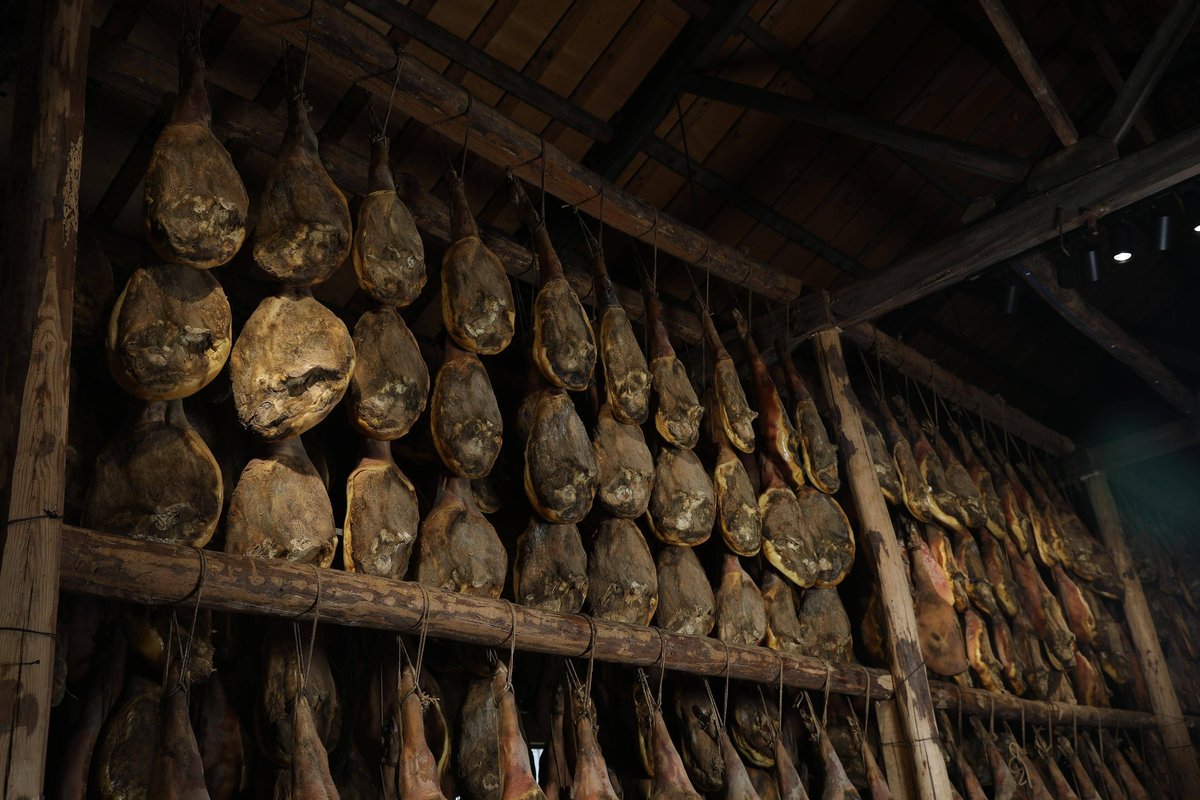
The first thing you notice is the smell, and it doesn't smell like meat. It smells like a forest floor after rain, like toasted nuts, like something old and sweet. Then your eyes adjust, and you see them: two hundred legs of pork hanging in rows from the rafters, every one of them furred in a grey-green bloom of mold. The room is cold, and moving with air from one narrow window. Nobody has touched these hams in months. That is the job.
The man walking me through it has been doing this for thirty years. He doesn't call himself a chef. He calls himself 腌火腿的 — the one who salts the ham. He reaches up, raps a leg with his knuckle, tilts his head, and nods. He doesn't cut it. He just hangs it back and moves down the row. Later he tells me he can hear when a ham is ready. I don't believe him, and then he does it three more times and is right three more times.
Xuanwei Ham (宣威火腿, xuānwēi huǒtuǐ) is one of China's three great hams, and the one almost nobody outside China has heard of. It comes from Xuanwei, a small city in Yunnan up at two thousand metres, where winters are cold and dry and the air moves just enough. That climate is half the recipe. The other half is time — three years of it.
The pig comes first
Everything starts with the 乌金猪 (wūjīn zhū), the black highland pig. It is not a fast pig. It spends a year and a half wandering hillsides, eating corn, acorns, wild herbs, whatever it turns up, and it lays down fat slowly, in layers, the way a ham needs. You cannot rush this part. You cannot feed a pig pellets for six months and expect its leg to taste like anything three years later.
The fat is the whole point. A lean leg dries into a brick. The marbled fat is where the aroma lives. It is what transforms, over years, into that buttery, nutty sweetness people assume was added. Nothing is added. That's the trick.
Salt, and then nothing
The leg is rubbed by hand with salt. Coarse, dry salt. That is the entire ingredient list. Then it is stacked under heavy stone slabs for about a week to press the water out, turned, re-stacked, pressed again. Once the meat has given up its moisture, the leg is washed, dried, and hung from a beam.
Then everyone walks away.
For three years the ham hangs in the cold loft and does nothing but change. The first winter, a mold blooms across the surface: white, then grey, then a green that would horrify anyone who didn't know better. In ham country, that green is not rot. It is the cure working. The mold breaks down surface fat and sugar and leaves behind exactly the compounds you want, the deep savoury ones, the ones that smell of aged cheese and dried fruit. A ham master watches his mold the way a farmer watches weather. Too much and the leg turns bitter. Too little and nothing happens at all.
By the second winter the fat has gone from white to amber. By the third, the leg has lost a third of its weight, the meat inside has turned a deep garnet, and if you push a long thin bone into the centre and pull it out, it smells finished. That's the actual test. Not a thermometer, not a calendar. A needle and a nose.
You eat it raw
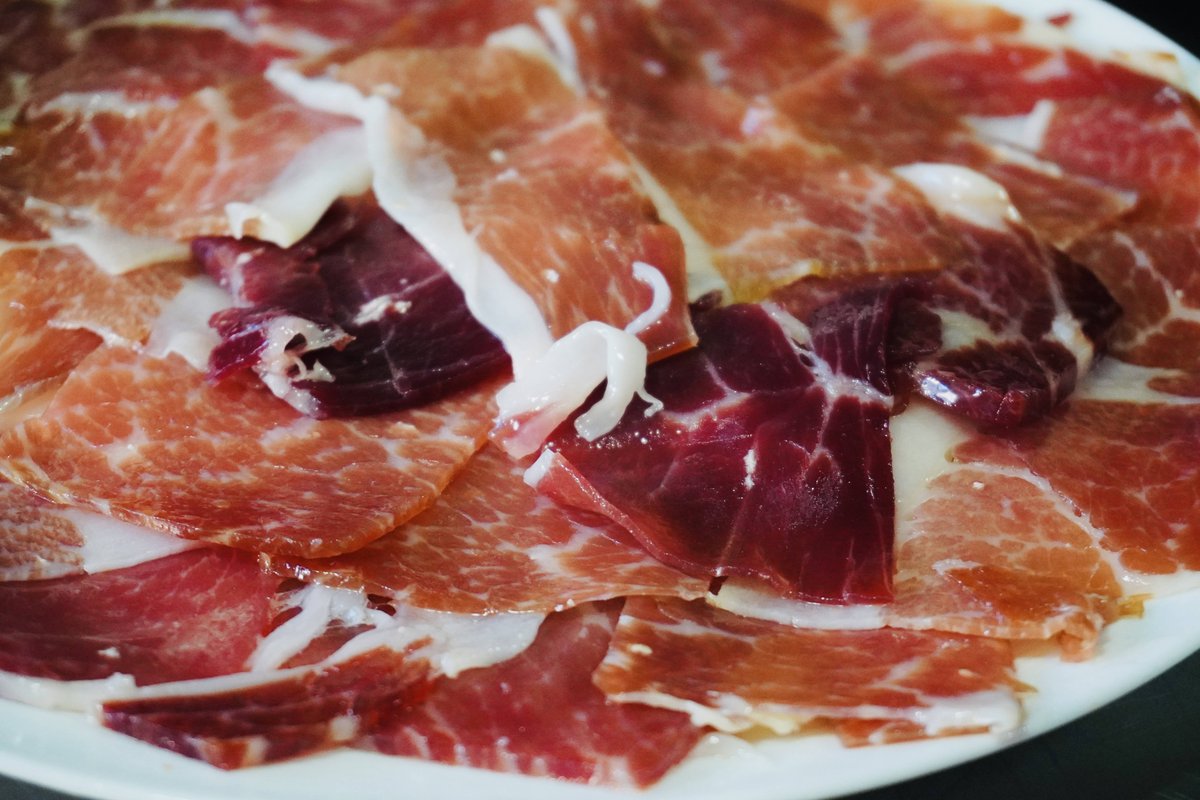
Here is the part nobody outside Yunnan expects. After three years, this ham is done. Finished. Ready to eat exactly as it is, with no cooking at all. A good Xuanwei ham is carved into slices thin enough to read through, laid on a plate, and eaten with chopsticks or fingers, the way Spain eats its jamón and Italy eats its prosciutto. The first time someone handed me a raw slice of Chinese ham I assumed it was a joke. Then I put it in my mouth and stopped talking for a while. Salty at the edge, sweet in the middle, dissolving into a buttery finish that lingers much longer than it has any right to.
That said, it's not a European ham wearing a Chinese hat. Xuanwei ham is saltier and firmer, built for two lives at once. Raw, it's a cold appetiser. Cooked, it's a flavour bomb you drop into anything. One slice simmered into a pot of plain chicken soup, or tossed through a pan of fried rice, makes the whole thing taste like it took all day. It's the fastest way to fake an eight-hour broth.
What passes for ham
The pink stuff. The wet, spongy, uniform slice of "ham" in a plastic wrapper, dyed a shade of pink that pork has never once been in nature, held together by nitrites and water. That isn't ham. That's a deli product that learned the word. If it's moist, it's wrong. A real dry-cured ham is firm and dense, dry to the touch at the surface.
The one-year shortcut. Sold as Xuanwei, cured twelve months and rushed out the door. Pale instead of garnet, tough instead of silky, salty with nothing behind the salt. Three years isn't a marketing number. It's the difference between meat and ham.
The counterfeits. Legs cured in Guizhou or Sichuan and labelled "Xuanwei" because the name sells. Real Yunnan ham carries a sweetness the others don't, and that sweetness comes from the pig and the air, and neither of those travels.
Two lives on one plate
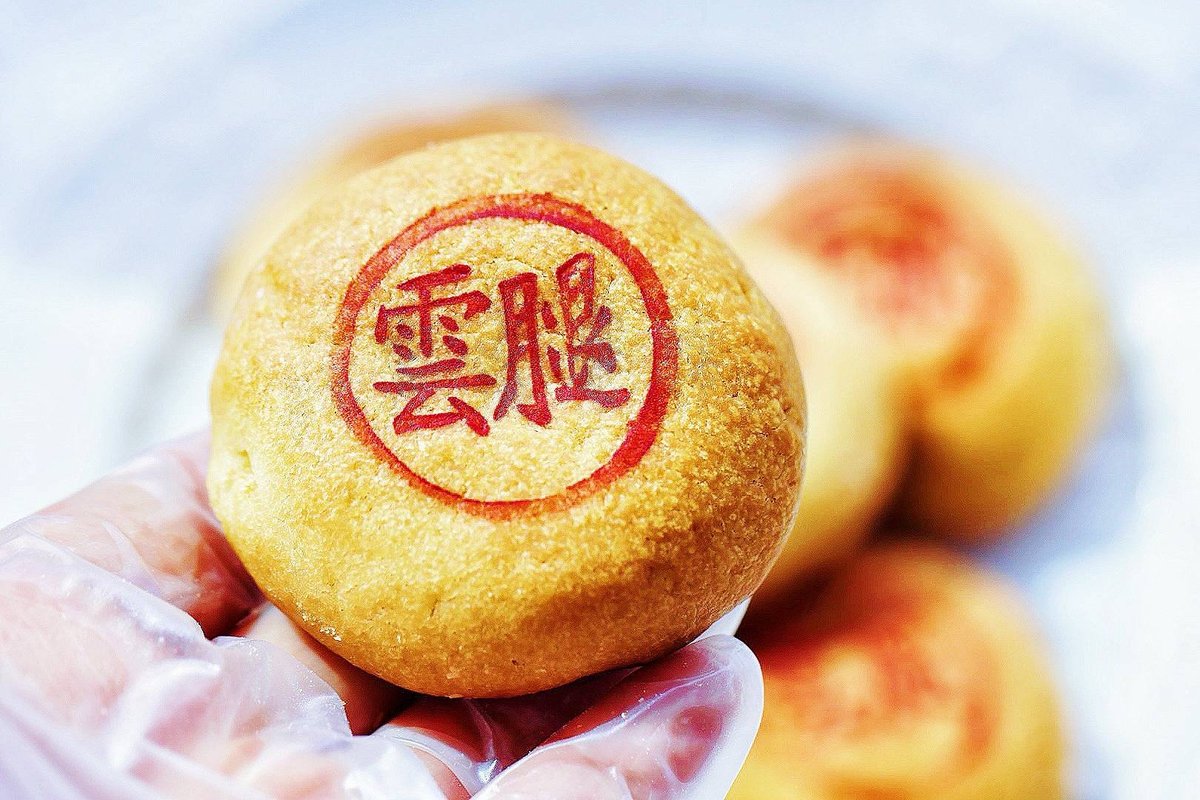
There's a third life too, and it's the one most people meet first: 云腿月饼 (yúntǔi yuèbǐng), the Yunnan ham mooncake. A flaky pastry shell around a filling of cured ham and sugar, salty and sweet in the same bite. It sells out all over China every autumn, and most of the people eating it have no idea the ham inside took three years to make.
Two lives on one plate
If you ever get your hands on a real one, don't spend it on a single dish.
Slice the lean part paper-thin and eat it cold, the way Yunnan does, on its own or with a wedge of melon to cut the salt. That's the first life.
Then take the bone, the trimmings, the rind, all of it, and put them in a pot: with chicken, with winter bamboo, with a pot of plain rice. That's the second life, and it's the one Chinese kitchens have leaned on for centuries. There's a reason the ham sits at the centre of the New Year table while the rest of the pig doesn't. The ham is what everything else tastes like afterwards.
My grandmother kept a single Yunnan ham in her kitchen for a whole winter and shaved pieces off it the way other people reach for a stock cube. I thought she was just making soup. It took me years to work out that she was cheating, brilliantly, at every single dish that came out of that kitchen.
I'll save the home-cooking side for another post. Where a Chinese ham really earns its keep is in the pot: one slice, and the whole broth tastes like it simmered all day. Nailing that deserves its own deep dive. Recipe coming soon.
💬 Comments