Xiao Long Bao: The Soup That Lives Inside a Dumpling
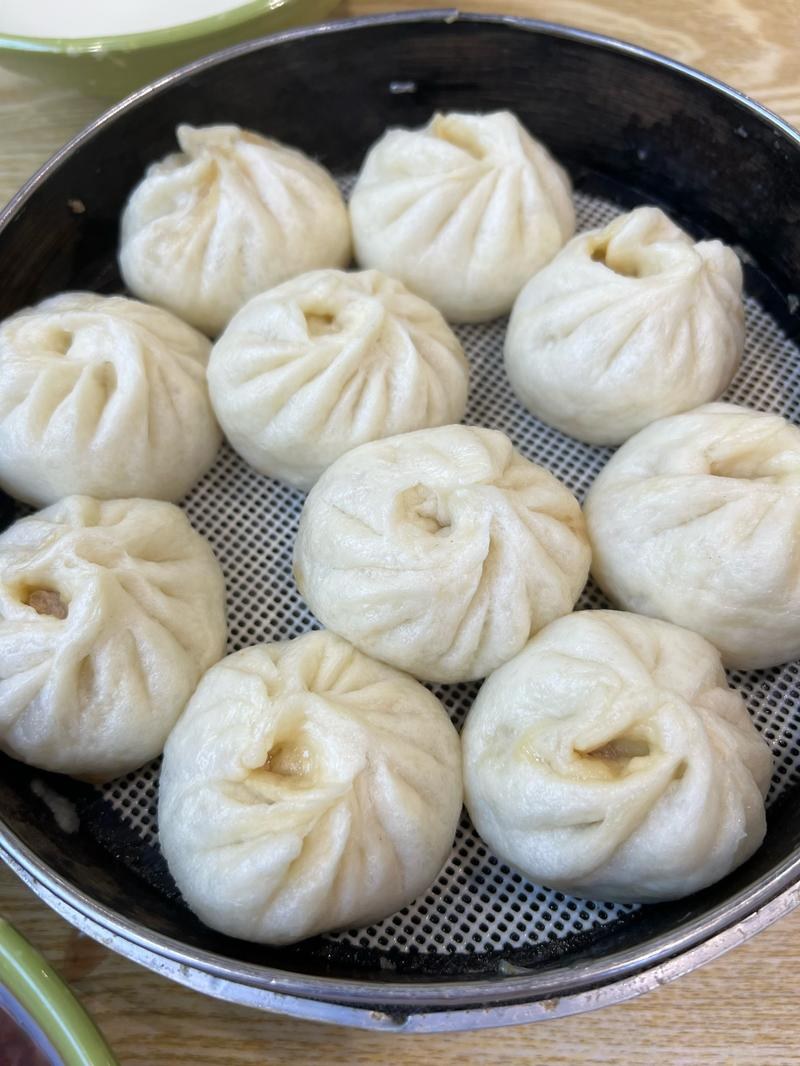
The bamboo lid comes off and the steam rushes up in a thick white column. Through the fog, you see them: eight perfect dumplings, each wearing eighteen pleats twisted into a tiny crown at the top. The skins shimmer — so thin you can read the shadow of broth sloshing inside. Your server slides the dipping dish toward you: black Chinkiang vinegar, a confetti of julienned ginger floating on top. The scent is sharp, sweet-sharp, cutting clean through the pork-and-steam fog. You lift your chopsticks.
This is Xiao Long Bao (小笼包, xiǎolóngbāo) — “little basket buns.” Little isn’t the half of it. These things are engineering wrapped in dough, steamed to order.
I grew up twenty minutes from Nanxiang, the Shanghai suburb where XLB was born. When relatives visited from out of town, my mother packed us into a taxi and we’d join the line outside Guyi Garden — the oldest XLB shop in existence, operating since 1900. The line was always forty minutes. Nobody complained. You don’t complain about forty minutes when the payoff is soup inside a dumpling.
The Architecture of a Bite
Eating XLB is a three-act play inside your mouth. Screw up the sequence and you’ll scald your tongue, lose the soup, and embarrass yourself. Get it right and you’ll understand why Shanghai spent 150 years perfecting this one thing.
The skin is first. High-gluten flour and cold water, rolled into circles thinner than a business card — you should be able to read a newspaper through the raw wrapper. Eighteen pleats, twisted and pinched shut. Not seventeen, not twenty. Eighteen is the number that seals the soup without creating a dough knob at the top. When the dumpling lands on your tongue, the skin gives way with a quiet pop, like breaking through the surface of a crème brûlée.
Then the soup hits. Hot — scalding hot, actually. The broth was gelatinized into a solid cube before wrapping, then melted back to liquid during steaming. Physics as cuisine. It floods your mouth with concentrated pork essence: ginger, Shaoxing wine, white pepper, and something deeper that’s just pig, reduced and clarified until it tastes like the entire animal was distilled into a teaspoon of liquid.
The filling arrives last: ground pork, minced with ginger and scallions, impossibly tender from the fat that rendered during steaming. You chew twice, maybe three times. It dissolves.
The whole sequence takes about four seconds. You spend four seconds in another dimension and surface blinking, chopsticks already reaching for the next one.
The Man Who Invented a Magic Trick
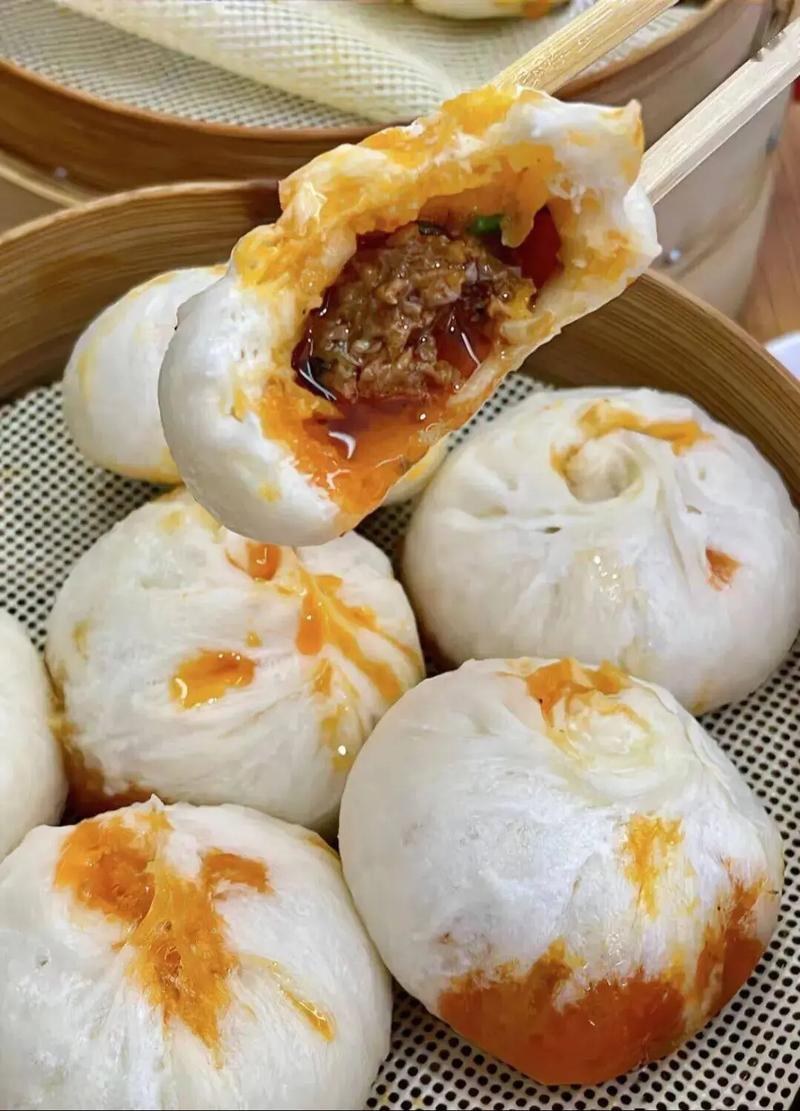
In 1871, Huang Mingxian (黄明贤) ran a snack shop in Nanxiang’s Guyi Garden. His experiment was simple and brilliant: he cubed aspic — gelatinized pork stock — and wrapped it inside a miniature dumpling. During steaming, the gelatin melted. The dumpling became a self-contained soup bowl. From Nanxiang, XLB spread across Shanghai, and by the 2000s, Din Tai Fung had turned it into a global obsession.
The Enemies of Xiao Long Bao
Bad XLB is everywhere, and it wears the name with no shame. Here’s what you’re fighting.
The skin. If it’s thick and doughy — if you can’t see the soup through it — it’s not XLB. It’s a steamed pork bun cosplaying as its cooler cousin. Real XLB skin is translucent. No exceptions.
The soup. If you bite in and nothing floods your mouth, you’ve been robbed. Frozen XLB often leak during storage, the soup evaporates during reheating, and what arrives is just… a steamed dumpling. A sad, dry, lying steamed dumpling. Din Tai Fung’s frozen retail XLB are the rare exception — their broth injection technology borders on witchcraft. But your local supermarket brand, the one in the blue bag with a cartoon panda? Leave it in the freezer where you found it.
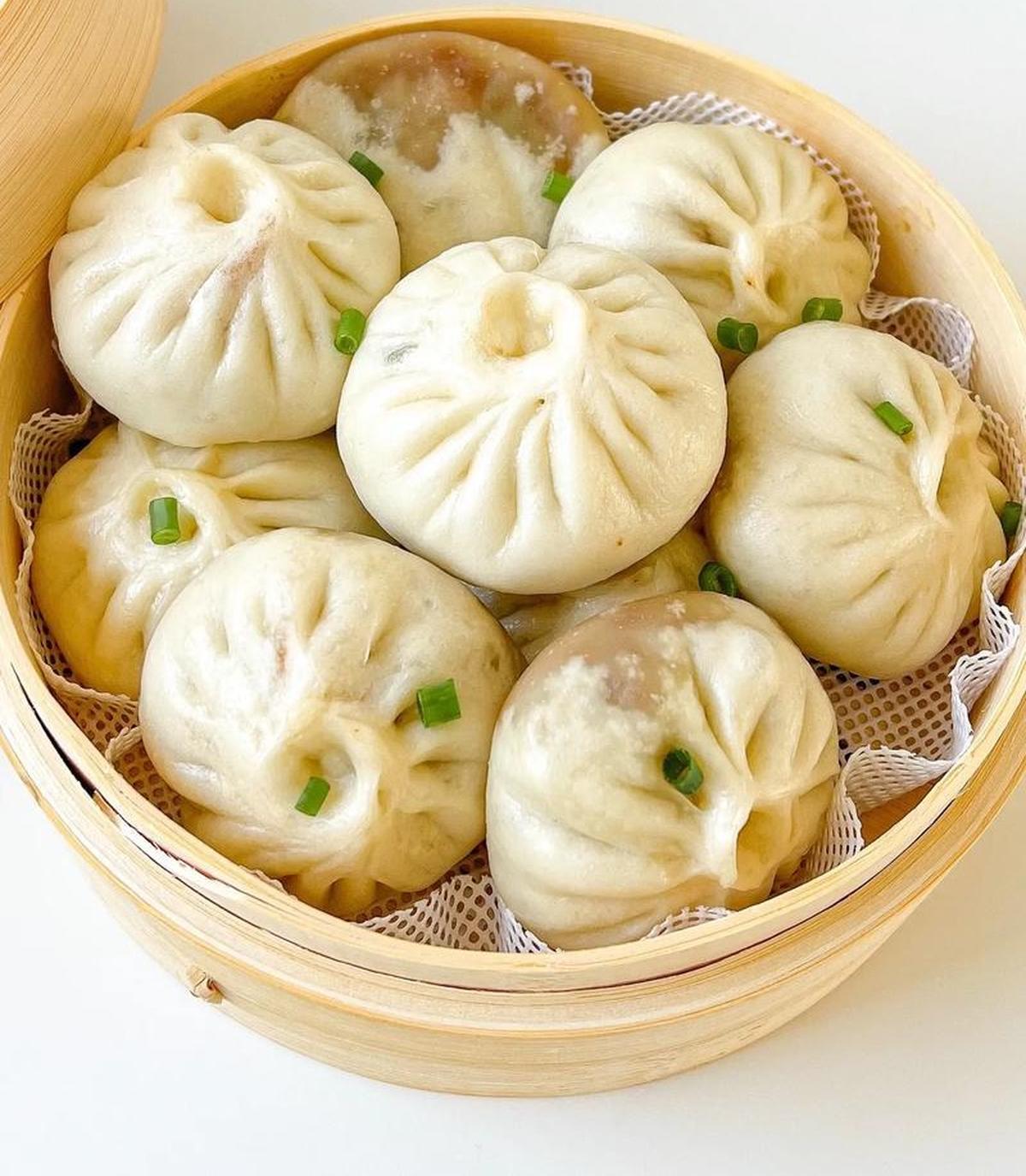
The pleats. If the dumpling has fewer than fourteen pleats at the crown, the wrapper is too thick and the cook was in a hurry. The Nanxiang standard is eighteen. Din Tai Fung requires sixteen at minimum. Count them. I’m serious. I count them in restaurants and I’m not embarrassed about it.
The dipping sauce. Black Chinkiang vinegar (镇江香醋, Zhènjiāng xiāngcù) and fresh julienned ginger. Nothing else. No soy sauce — it murders the soup’s delicacy. No chili oil — that’s for shengjianbao. No “dumpling sauce” from a squeeze bottle. If the restaurant brings you three sauce dishes, they don’t understand what they’re serving.
How to Eat It Without Disaster
Your first XLB will be a tragedy. Mine was. I was seven years old, at Nanxiang with my parents, and I bit straight into the dumpling like it was a grape. The soup geysered onto my chin, my shirt, and the woman at the next table. She was very kind about it. My mother was not.
Here is the method:
- Pour black vinegar into your dish with ginger shreds.
- Transfer the dumpling to your soup spoon — this is not optional.
- Bite a small hole in the side of the skin. Let the steam escape and the soup cool for a few seconds.
- Sip the soup from the spoon, then eat the dumpling in one bite.
Soup, skin, pork, vinegar, and ginger — all in a single mouthful. A complete dish compressed into the space of a ping-pong ball.
Next in the Shanghai series: Pan-fried Shengjianbao — the crispy-bottomed cousin that fights dirty. Coming soon.
💬 Comments