How to Cook Twice-Cooked Pork: The Sichuan Way
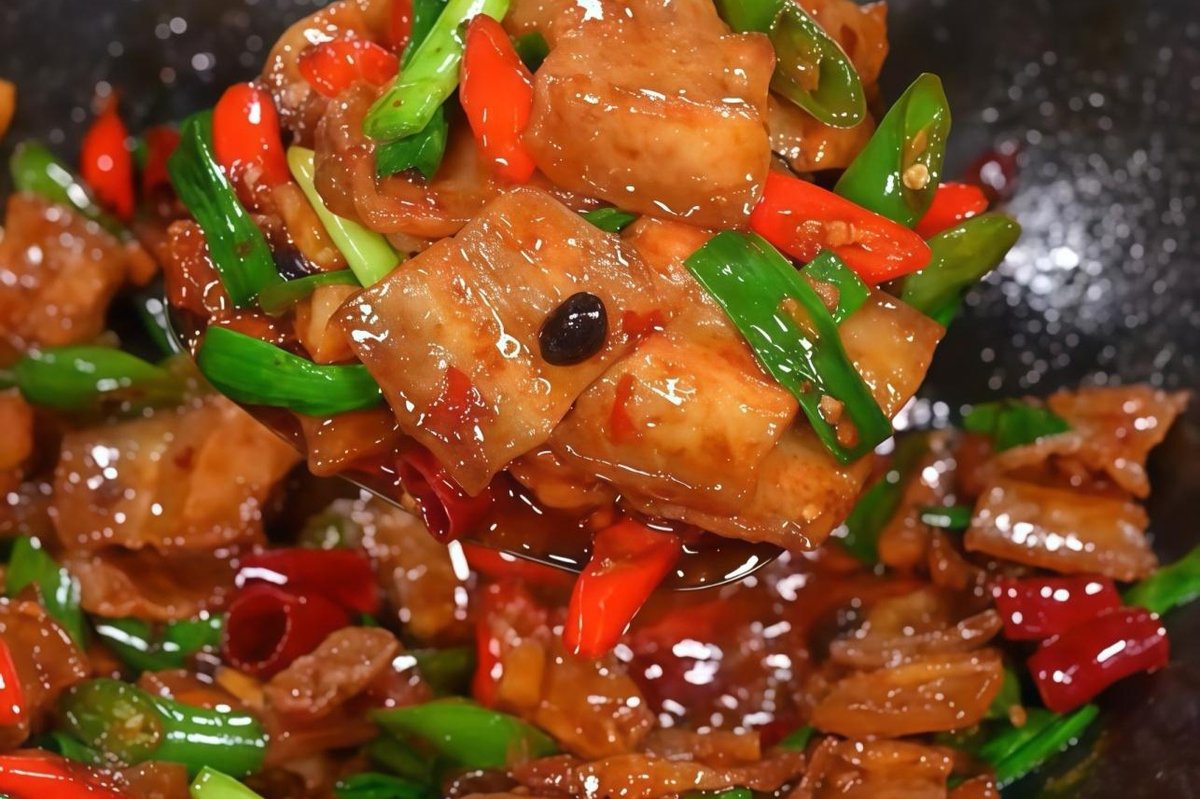
Editor’s Note: Since launching this column, we’ve heard one request more than any other: the stories are great, but how do we actually cook these? Today we’re fixing that — six classic recipes, dropping at once. Here’s how to make 回锅肉的正宗做法。 Read the story behind this dish: Twice-Cooked Pork: The Sichuan Home Classic That Tests Every Cook
Twice-Cooked Pork (回锅肉, huíguō ròu) is the dish that separates cooks who understand heat from everyone else. The name is literal — meat that returns to the wok — and the two-stage cooking is the whole point. Boil first, fry second. If you skip the boil and throw raw pork belly straight into the wok, you’ve made a stir-fry. You have not made Twice-Cooked Pork. This recipe is the Sichuan way: pork belly transformed by patience and technique into slices that curl at the edges, their fat rendered translucent and buttery, coated in the deep fermented funk of Pixian doubanjiang.
Ingredients
For 2–3 servings, served over rice.
| Ingredient | Amount | Notes |
|---|---|---|
| Pork belly, skin on | 300g (one slab) | Shoulder works in a pinch. Skin must stay on — it creates the essential chew. |
| Pixian doubanjiang (郫县豆瓣酱) | 1.5 tbsp | Non-negotiable. The fermented broad bean paste from Pixian county. Look for whole beans visible in the jar. |
| Fermented black beans (豆豉) | 1 tsp | Rinse briefly, then roughly chop. |
| Garlic sprouts (蒜苗) | 4–5 stalks | The green stalk of the garlic plant. Not scallions, not leeks. Cut into 3cm segments. |
| Green long pepper or mildly hot chili | 2–3 | Sliced into thin diagonals. Sichuan erjingtiao is ideal; Anaheim or mild Korean peppers work. |
| Sweet wheat paste (甜面酱) | 1 tsp | Optional but traditional. Balances the doubanjiang’s salt. |
| Ginger | 4 slices, plus 1 tsp minced | |
| Shaoxing wine | 2 tbsp | |
| Soy sauce | 1 tsp | Light soy. |
| Sugar | ½ tsp | |
| Neutral oil | 1 tbsp | Barely enough to slick the wok. The pork renders its own fat. |
Step by Step
1. First Cook: Boil the Pork
Fill a pot with enough water to submerge the pork belly. Add the ginger slices and 1 tbsp Shaoxing wine. Bring to a rolling boil, then slide in the pork belly skin-side up. Reduce to a gentle simmer and cook for 35–40 minutes. The water should move lazily — not a furious boil, which toughens the meat. You’re not aiming for fall-apart tenderness; you’re rendering internal fat and setting the muscle structure so it slices cleanly later. The pork is ready when a chopstick pierces through the skin with moderate resistance.
Lift the pork out and let it cool to room temperature on a cutting board. Do not refrigerate — cold pork contracts and won’t curl properly in the wok. Do not slice it hot — hot pork shreds and mushes under the knife. Room temperature is the sweet spot where meat, fat, and skin hold together as one.
2. Slice
Once cooled, slice the pork across the grain into thin rectangles, roughly 3mm thick. Each slice should show a clear cross-section: skin on top, white fat, then lean meat. Thicker than 3mm and the slices won’t curl into the signature “lantern cup” (灯盏窝). Thinner and they’ll disintegrate in the wok. Uniformity is everything — a wobbly hand here produces uneven cooking, and uneven cooking produces regret.
3. Second Cook: Dry-Render in the Wok
This is where the “twice-cooked” magic happens. Heat your wok over high heat. Add just 1 tablespoon of oil — barely enough to slick the surface. The pork will supply the rest. When the oil shimmers, add the pork slices in a single layer. They should hiss, not steam. Let them sit untouched for 15–20 seconds, then toss.
The slices will begin to curl at the edges as their fat renders into the wok. Stir-fry for 60–90 seconds total. You’re looking for the fat to turn from opaque white to translucent, and for a light golden sear to form on the lean meat. The wok should now glisten with rendered pork fat. Push the pork to one side.
4. Build the Sauce
In the cleared space, add the minced ginger and doubanjiang. Stir the paste into the hot fat for 30–45 seconds until the oil turns brick-red and the kitchen fills with that unmistakable fermented funk. Doubanjiang must bloom in fat to wake up — raw doubanjiang tastes tinny and flat.
Add the fermented black beans and stir for 10 seconds. Then add the sweet wheat paste, soy sauce, sugar, and remaining Shaoxing wine. Toss everything together — every slice should glisten with red paste.
5. Vegetables Last
Add the garlic sprout segments and green pepper slices. Toss for 45 seconds, no longer. The garlic sprouts should wilt slightly at the edges but retain their snap. Overcooking garlic sprouts turns them limp and sweet — you want their sharp, alliaceous punch to cut through the pork fat. Kill the heat immediately.
Plate and serve.
Key Pitfalls
- Slicing too thick. Slices over 5mm won’t curl, won’t render properly, and taste like boiled pork with sauce on top instead of twice-cooked pork. Target 3mm. Use a sharp knife.
- Not boiling long enough. A 20-minute boil leaves the fat layer dense and the skin tough. Thirty-five to forty minutes at a gentle simmer is the minimum. The pork should feel yielding but not falling apart when pierced.
- Adding too much oil. This is the #1 error in Western kitchens. The pork belly brings its own fat — sometimes a shocking amount. If you add a generous glug of oil at the start, your twice-cooked pork becomes a deep-fry. One tablespoon. That’s it. If the wok looks dry after the pork has rendered, add a splash of water, not more oil.
- Skipping the garlic sprouts. Broccoli, cabbage, bell peppers — none of these are garlic sprouts. The garlic sprout is not a garnish. It’s the structural counterpoint to the pork: sharp, snappy, vegetal. If you can’t find garlic sprouts, the closest substitute is the white part of young leeks, though the result will be milder and sweeter.
Serving
Over white rice. Spoon the pork and sauce over the grains and let the red oil pool. A simple side of stir-fried greens — gai lan or bok choy with a whisper of garlic — balances the richness. Build every bite differently: one mouthful with extra garlic sprout, one with a chunk of black bean, one where you drag a slice through the chili oil at the bottom of the bowl.
Thirty-five minutes of boiling, ninety seconds of stir-frying. The technique is simple. The execution is not. But when those slices curl in the wok and the doubanjiang hits the rendered fat — you’ll know you didn’t just cook pork. You cooked it twice.
This recipe is the practical companion to our feature article: Twice-Cooked Pork: The Sichuan Home Classic That Tests Every Cook . Read it for the story behind the dish, the folklore, and why every Sichuan grandmother uses it to judge sons-in-law.
💬 Comments