Tomato and Egg Stir-Fry: The Dish Every Chinese Kid Learns First
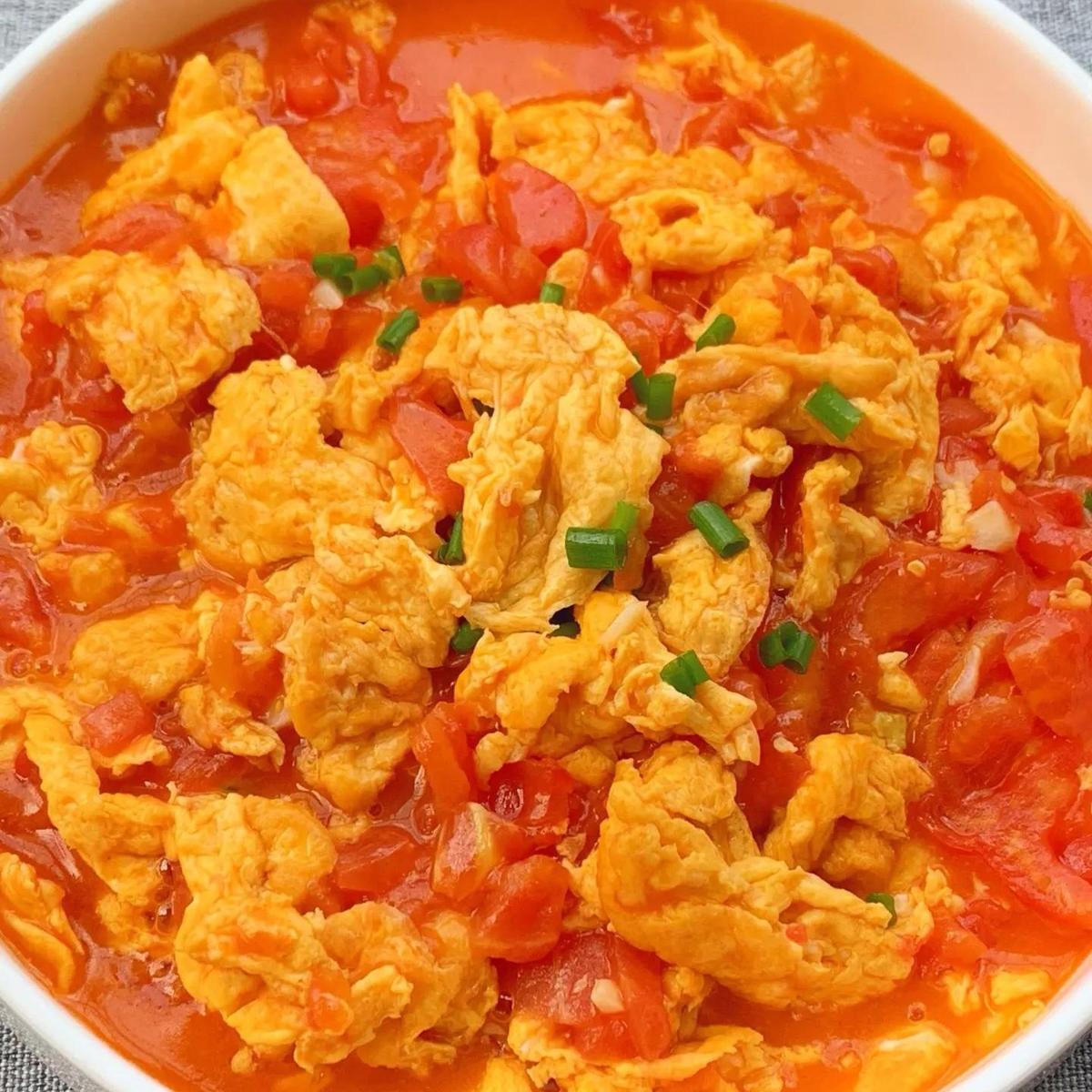
The smell reaches you three floors down.
You’re seven years old, climbing the stairwell of your grandmother’s apartment building in Shanghai, and somewhere between the second and third landing the air changes. It’s sweet and sharp at the same time. Tomatoes collapsing into hot oil, the metallic tang of a well-seasoned wok, something faintly caramelized around the edges. You don’t know the word wok hei yet. You just know that smell means dinner is ten minutes away and grandma’s in a good mood.
By the time you kick off your shoes at the door, the dish is already on the table. A ceramic bowl. A mound of steamed rice. Eggs the color of butter-yellow silk, tomato wedges that have surrendered their shape but not their soul, and a puddle of that orange-pink sauce, half tomato juice and half something richer, already soaking into the grains at the edge of the bowl.
Tomato and Egg Stir-fry (番茄炒蛋, fān qié chǎo dàn) is not a restaurant dish. It’s not a banquet dish. It’s the dish you make when you’re seven and standing on a stool at the stove because you want to cook like grandma. It’s the first thing every Chinese kid learns and the last thing they forget.
The Architecture of a Bite
I spent thirteen years at Microsoft, Google, and NVIDIA writing distributed systems. The elegant ones share a property: minimal components, maximum surface area for interaction. Tomato and Egg Stir-fry is the same idea expressed in food.
You have five ingredients. Eggs. Tomatoes. Oil. Salt. Sugar. Some families add a splash of Shaoxing wine or a pinch of white pepper. Some finish with a scatter of scallions. But the core is five things and a hot wok. That’s it. There’s nowhere to hide.
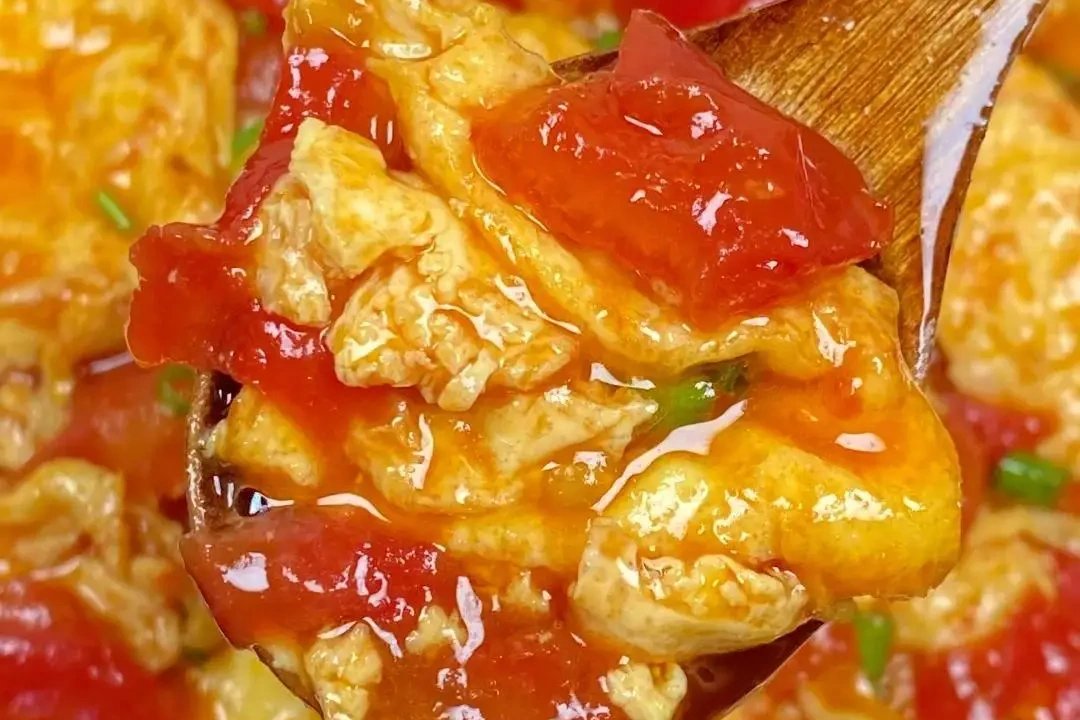
The egg hits the oil first. Beaten smooth with a few drops of water, not milk, poured into a wok so hot the oil shimmers like a mirage. You pull it the moment it sets, maybe fifteen seconds, while it’s still tender enough to fold like silk. Overcook it here and you’ve already lost. Brown eggs in this dish are a crime.
Then the tomatoes go in. This is where the magic lives: the tomatoes have to cook long enough to release their juice but not so long they dissolve into soup. You’re looking for wedges that hold a ghost of their shape, edges softened, interiors gone jammy. The sugar tempers the acid. The salt sharpens the sweet. The juices reduce until the sauce coats the back of a spoon.
Then you slide the eggs back in, fold twice, kill the heat. The residual warmth finishes the dish.
A good plate of Tomato and Egg Stir-fry tastes like someone who loves you made it.
China’s Real National Dish
There is no origin story. No Qing dynasty official. No imperial chef with a secret recipe.
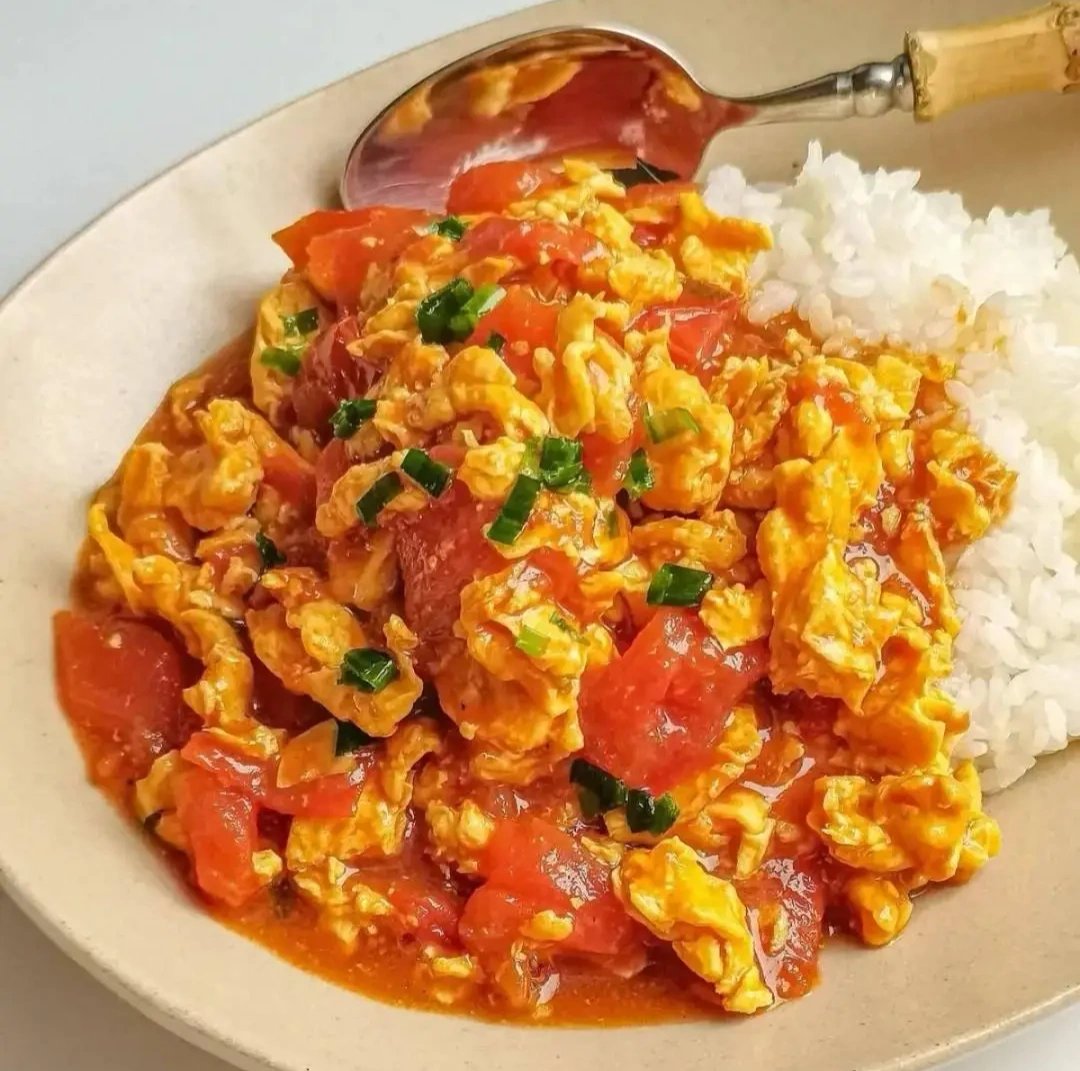
This dish belongs to nobody and everybody. It rose out of Chinese home kitchens sometime in the early 20th century, when tomatoes (introduced by Portuguese traders in the 1600s but ignored for three centuries) finally crossed from ornamental plant to pantry staple. The pairing with egg was inevitable. Two cheap ingredients, a hot wok, five minutes.
No one owns it. That’s the point.
The Enemies of Tomato and Egg Stir-fry
The dish is so simple that bad versions are everywhere. And they fail in predictable, infuriating ways.
The ketchup version. Some restaurants (and I’m looking at you, certain Chinatown spots that should know better) replace tomatoes with ketchup. They’ll tell you it’s a “sauce hack.” It’s not. It’s sugar paste with delusions of grandeur. Ketchup-flavored scrambled eggs taste like a sad hotel breakfast buffet at 6am. If your Tomato and Egg Stir-fry tastes like Heinz, you are eating a shortcut, not a dish.
The dry version. Tomatoes weren’t cooked long enough. The sauce never formed. You’re left with scrambled eggs dotted with barely-warm tomato chunks, no juice, no cohesion. It’s edible. It’s not the dish.
The soup version. The opposite sin. Tomatoes were cooked into oblivion. The eggs disintegrated into yellow flecks floating in pink water. You need a spoon. You didn’t ask for soup.
The rubber-egg version. Eggs cooked until brown. The texture goes from silk to sponge. If your eggs have a crust, start over.
Real Tomato and Egg Stir-fry requires exactly:
- Ripe tomatoes, cut into wedges. Not cherry tomatoes. Not Roma. The softer and juicier the better. You want tomatoes that threaten to fall apart the moment the knife touches them.
- Eggs, beaten with a few drops of water. The water steams in the wok, giving you that tender, almost custardy texture. No milk. Milk adds fat without structure and mutes the tomato’s brightness.
- Sugar, just enough to take the acid’s edge off without making the dish sweet. This is a savory dish that happens to have sugar in it. Not the other way around.
- Salt, added to the tomatoes, not the eggs. Salt draws out the tomato’s water. That water becomes your sauce.
- Scallions, white parts fried with the oil at the start, green parts scattered at the end. Optional but not really.
- High heat. Medium heat produces steamed tomatoes and pale eggs. You want the wok screaming so the tomato juice caramelizes on contact. That faint bitter-sweet edge at the back of the sauce? That’s heat doing its job.
How to Eat It
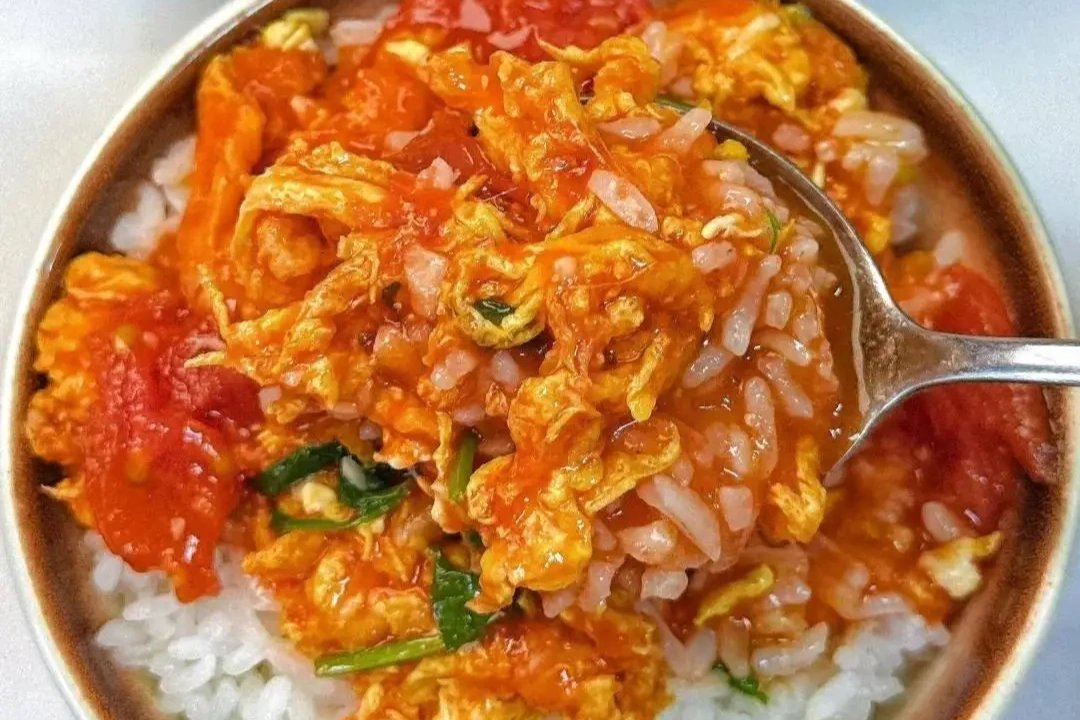
Over rice. This is not negotiable.
The sauce is the point. It’s the reason the dish exists. If you eat the eggs and tomatoes and leave the sauce pooling at the bottom of the bowl, you’ve missed the entire experience. Every spoonful should carry rice, sauce, a fold of egg, and a wedge of tomato. The rice absorbs the liquid instantly, turning each grain into a tiny vehicle for the sweet-savory-tangy thing happening above it.
I learned this dish standing on a wooden stool in my grandmother’s kitchen. She’d crack the eggs one-handed, four of them and never measuring, then hand me the chopsticks to beat them. “Faster,” she’d say, even when my arm was already burning. “You stop, the eggs get lazy.” I was maybe eight. I didn’t know what lazy eggs meant. I know now.
Don’t wait. This dish doesn’t improve with time. The eggs absorb sauce and go heavy. The tomato wedges cool and the magic drains out. You have maybe seven minutes from wok to mouth. Eat it standing at the counter if you have to.
Grandma’s version always had a little more sugar than my mother’s, and my mother’s had a little more scallion than hers. Nobody agrees on the right ratio. Nobody is wrong. That’s what makes it a home dish — every kitchen has its own dialect, and every dialect is the correct one.
Out of space for today — I’ll save the home-cooking breakdown for another post. Doing tomato and egg justice at home means nailing the egg texture: silky, not spongy, pulled from the wok the moment it sets. That deserves its own deep dive. Recipe coming soon.
💬 Comments