How to Cook Tomato and Egg Stir-Fry: The Two-Pan Method
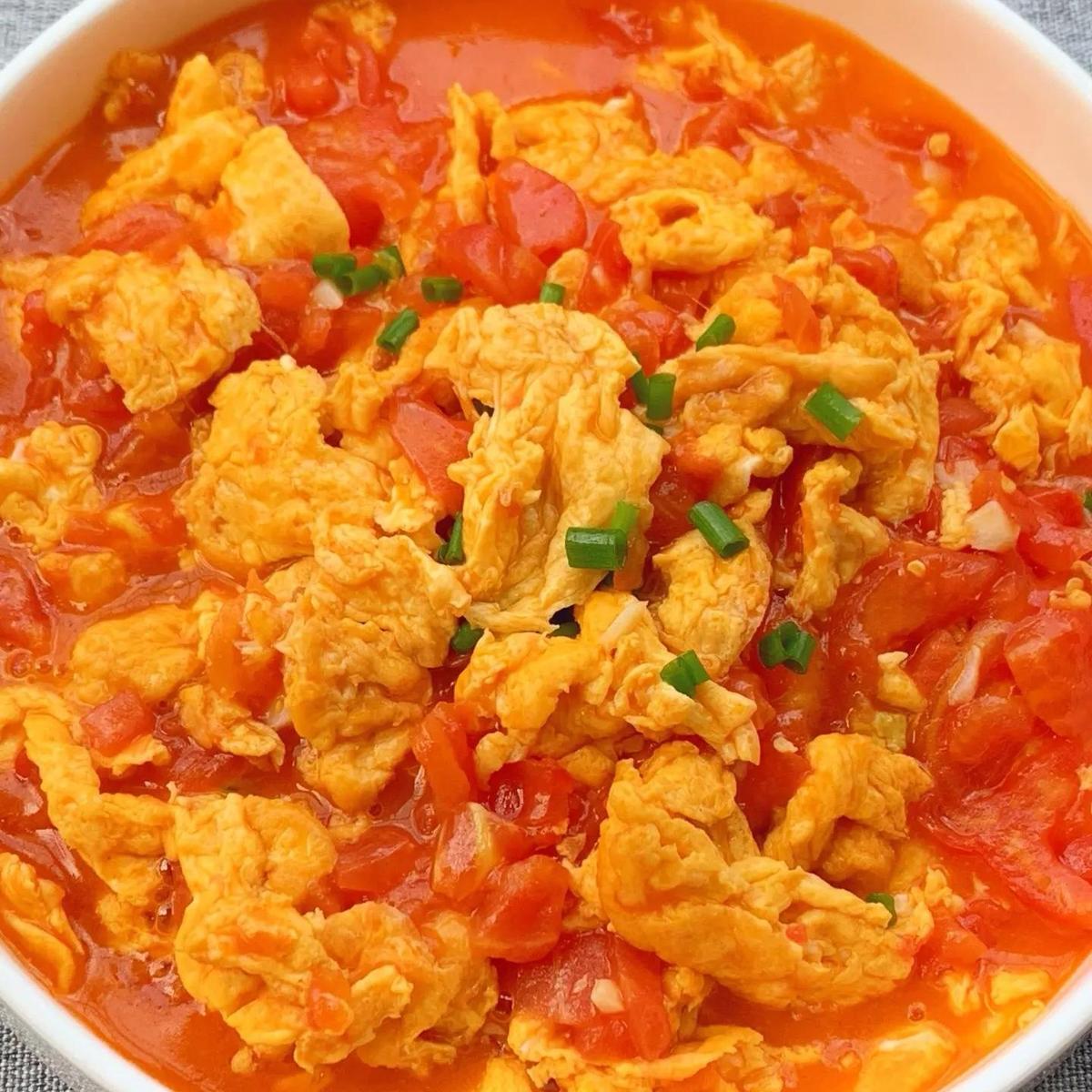
Editor’s Note: This is the kitchen companion to Tomato and Egg Stir-Fry: The Dish Every Chinese Kid Learns First. Quantities, temperatures and the failure points are below. Read the technique once before you shop.
Why the Eggs Come Out in Two Stages
Tomato and egg stir-fry is the first dish many Shanghai children learn, and it is also the one most often ruined by speed. The two ingredients do not cook at the same rate. A beaten egg sets in under a minute at wok heat, while a tomato needs three to four minutes in contact with salt before it collapses into sauce. Cook them together and the egg is rubbery before the tomato is ready, sitting in a puddle of pink water.
The fix is two passes in the same pan. You scramble the eggs first, in a thin film of oil over high heat, and take them out while they are still glossy and about 70 percent set. The residual heat in the curds, what cooks call carryover cooking, finishes the job while they wait on a plate. Why this matters: an egg pulled at 70 percent set reaches the table fully set but still tender, while one pulled at 100 percent is already overcooked before it leaves the pan.
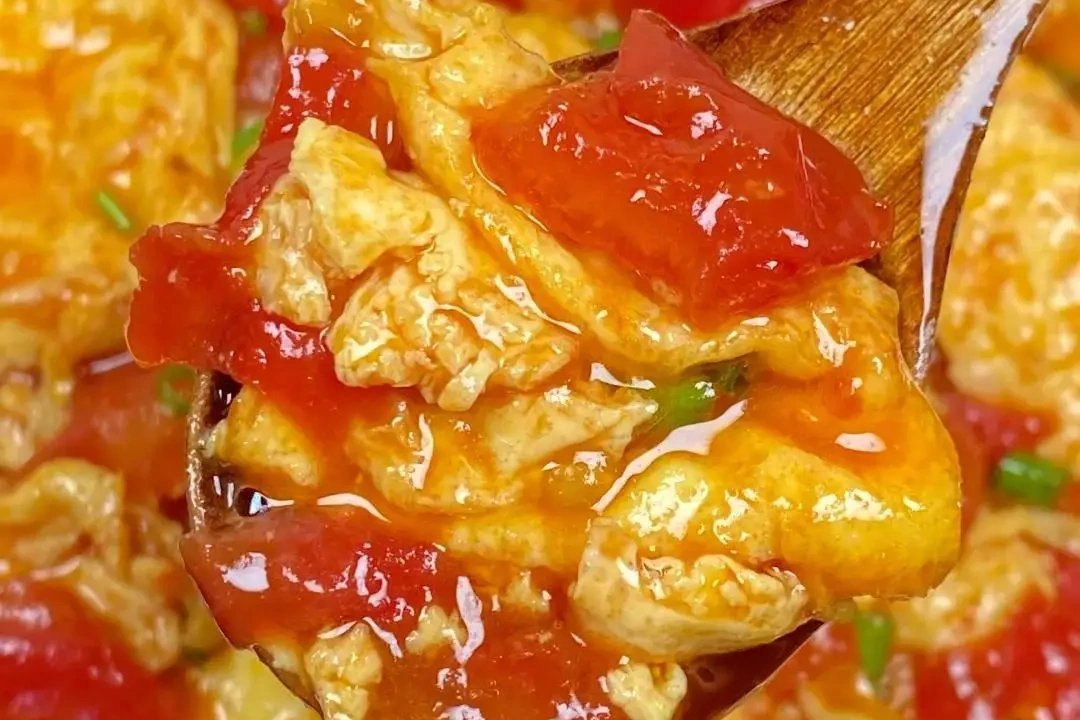
The tomatoes get their own turn, and their own salt. Salt them in the pan, not in a bowl beforehand, then leave them alone for three to four minutes. Salt draws water through the cut faces, the wedges soften from the outside in, and the juice thickens slightly against the hot metal. That juice is the sauce. If you stir without pause, the wedges break down at different rates and you end up with pulp rather than jammy wedges in a loose glaze.
One teaspoon of sugar is the other half of the balance. Shanghai home cooking leans sweet, but this teaspoon is not there to make the dish sweet. It rounds the acidity of firm, pale tomatoes and gives the sauce a little body. Taste at the end: August tomatoes need less, February tomatoes need the full teaspoon.
Total pan time across both passes should stay under six minutes. Everything runs at high heat, which is why the pan needs to be wide enough to hold the tomatoes in a single layer. Crowd them and they steam instead of searing, and the sauce turns thin. The scallions go in twice as well: the whites with the tomatoes at the start, the greens off the heat at the end, so they stay green and sharp rather than tasting of grass.
Ingredients
For the eggs
- 3 large eggs (150g), at room temperature
- 1 tsp (5ml) Shaoxing wine
- 2 tsp (10ml) neutral oil, for the egg pass
- 1 pinch white pepper (0.5g)
For the tomatoes
- 500g ripe tomatoes, about 3 medium, cut into 2cm wedges
- 3/4 tsp (4g) fine salt, for the tomatoes
- 1 tsp (4g) caster sugar
- 2 cloves garlic (8g), sliced 2mm thick
- 3 spring onions (45g), whites in 3cm lengths, greens sliced thin
- 1 tbsp (15ml) neutral oil, for the tomato pass
- 60ml hot water, only if the tomatoes are dry
- 1 tsp (5ml) sesame oil, added off the heat
Substitution notes: Out of season, use 400g of whole canned tomatoes, drained and crushed by hand, and skip the 60ml of hot water. If you have no Shaoxing wine, dry sherry works at the same quantity. For a vegan version, replace the eggs with 300g of firm tofu pressed for 20 minutes and crumbled into 2cm pieces, added after the tomatoes have cooked for two minutes so it takes on the sauce without breaking apart.
Use light soy sauce if you add any at all, never dark. Dark soy tints the eggs brown and brings a molasses note that fights the tomato.
Prep: Eight Minutes, Mostly Knife Work
1. Cut the tomatoes into wedges (3 minutes)
Halve each tomato through the stem, then cut each half into four wedges. Cut out the firm core with the tip of the knife. If the skins lift easily at a corner, pull them off; if they cling, leave them, since they will loosen in the pan. Keep the wedges and any juice on the board together, because that juice is part of the sauce.
2. Separate the scallions and slice the garlic (4 minutes)
Cut the scallions into 3cm lengths, keeping the white lengths in one pile and the green tops, sliced thin on the diagonal, in another. Slice the garlic 2mm thick. Measure the salt, sugar and wine into bowls first, so nothing scorches while you hunt for them.
3. Beat the eggs without salt (1 minute)
Break the eggs into a bowl and beat with a fork for 20 seconds, until yolks and whites are just combined and a few streaks of white remain. Do not add salt, and do not beat to a foam. Salt at this stage draws water out of the proteins, and the eggs will weep into the sauce later.
Step by Step: Six Minutes of Pan Time
Step 1: Scramble the eggs (90 seconds)
Set a wide pan or wok over high heat for 90 seconds, until a drop of water skitters across the surface. Add the 2 tsp of oil and swirl to coat. Pour in the eggs and wait 10 seconds without touching them, then push the set curds from the edge towards the centre with a spatula, tilting the pan so raw egg runs into the bare metal. After about 60 seconds the eggs are half set and still shiny on top. Pull them onto a plate now, in large soft folds. They will look underdone, which is the point.
Step 2: Start the tomatoes (4 minutes)
Wipe the pan if any egg has stuck, add the 1 tbsp of oil and return it to high heat. Add the garlic and the scallion whites and stir for 15 seconds, just until the garlic smells sweet rather than sharp. Add the tomato wedges cut side down in one layer, scatter the 3/4 tsp of salt over them, and do not touch the pan for 90 seconds. You should hear a steady sizzle, not a violent spit. Why this matters: the salt draws water out of the wedges by osmosis, and that released juice is the sauce \u2014 rush this step and the pan stays dry while the tomatoes stay raw in the middle.
Step 3: Finish the sauce (2 minutes)
Turn the wedges with a spatula and cook for another 2 minutes. The skins should be slipping and the juice should have reduced to a loose glaze that coats the metal. Add the sugar and the Shaoxing wine and stir for 20 seconds. If the pan looks dry and the tomatoes are still firm, add the 60ml of hot water, no more, and let it bubble for 30 seconds.
Step 4: Return the eggs off the heat (45 seconds)
Slide the eggs back in, turn off the heat, and fold twice with the spatula, no more, or the curds will break into crumbs. The eggs absorb sauce and finish setting in the residual heat. Drizzle the sesame oil, scatter the scallion greens, and tip everything into a warm bowl immediately, because the pan keeps cooking what is left in it.
Key Pitfalls
The eggs wept water and the sauce turned pink. You salted the eggs before they went into the pan, or you beat them to a foam. Salt pulls water out of the proteins and the foam collapses in the heat. Beat them plain, salt the tomatoes instead, and add no liquid beyond the 60ml only if the pan is genuinely dry.
The eggs were rubbery and squeaked against the teeth. They stayed in the pan past 70 percent set, or the heat was too low, so they sat in oil and toughened before they browned. Use the widest pan you own, keep the heat high, and pull them while the surface still looks wet.
The sauce was thin and the wedges were still firm. The tomatoes were crowded, or you stirred them from the first second. Crowding drops the pan temperature and the wedges steam. Cook them in one layer, salted, untouched for 90 seconds, then turn them only twice more.
The dish tasted flat even though you added sugar. Sugar cannot rescue under-salting. The 3/4 tsp of salt is what opens the tomato juice and seasons it. Taste after the sauce reduces and add salt in 1/4 tsp increments, not more sugar, which only makes the dish sweeter without making it taste more of tomato.
The tomato skins curled into tough ribbons in the sauce. The tomatoes were underripe and the skins were left on, or the sauce cooked so long that the skins separated and rolled. Peel thick-skinned fruit with a vegetable peeler before cutting, and keep the total tomato time at four minutes.
The scallion greens tasted raw and grassy. They went in at the start with the whites. Green tops have almost no cell wall to soften and turn bitter with heat. Reserve them for the last 10 seconds off the heat, where they wilt just enough to release their aroma.
Serving Suggestions
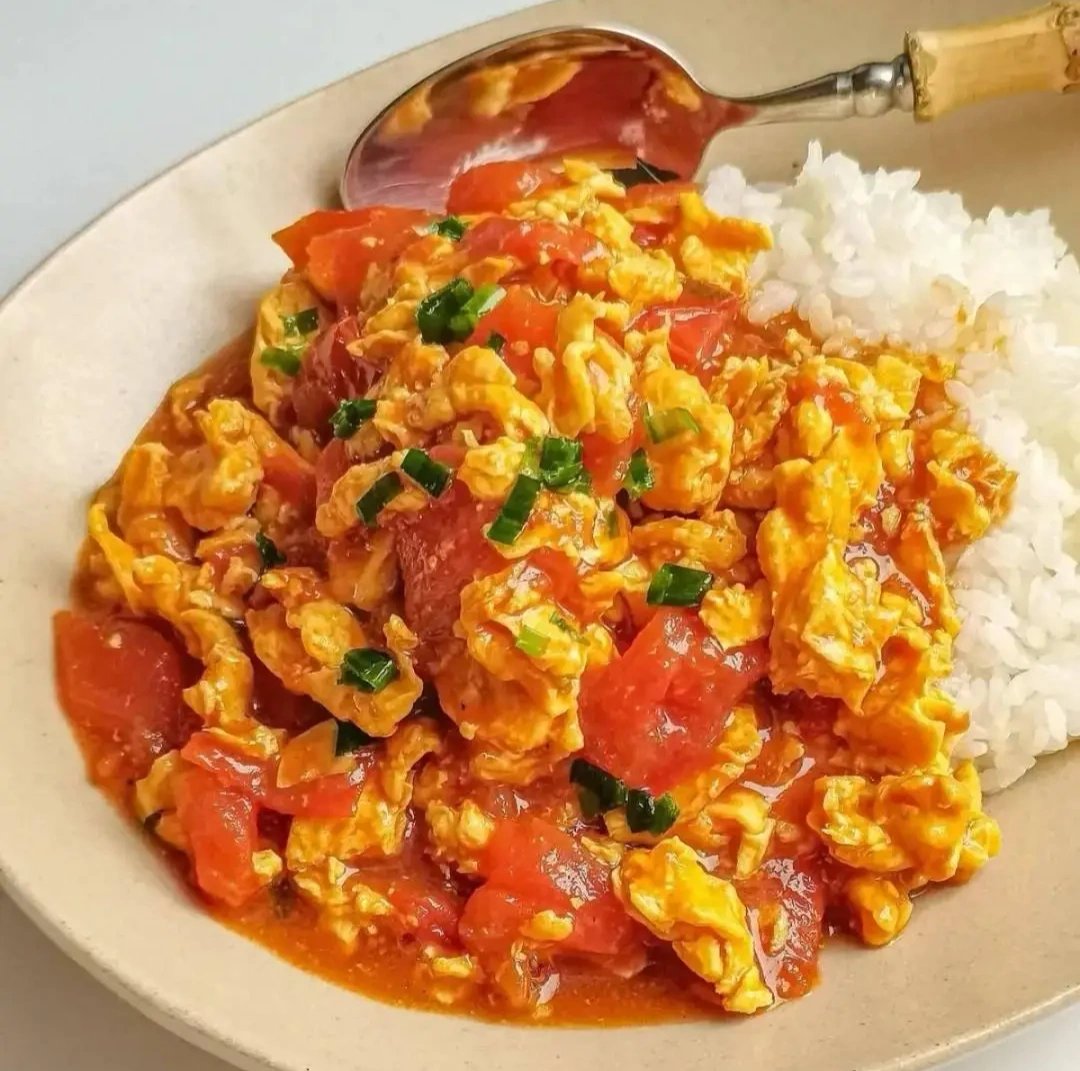
Serve it over steamed jasmine rice, with the sauce spooned over the top so the rice catches it. The dish is wet enough that you do not need a second vegetable, though a plate of blanched greens with a little salt is what I grew up eating beside it. Keep any surplus in separate containers; the eggs keep drinking sauce and go soft overnight.
A cold light lager or plain roasted tea works better than anything sweet. Reheat leftovers in a hot pan for 60 seconds, not in a microwave, which turns the eggs to sponges. The dish does not freeze: the tomatoes break down into water and the eggs become grainy.
This is the companion recipe to Tomato and Egg Stir-Fry: The Dish Every Chinese Kid Learns First. Read the story, then cook the dish.
💬 Comments