How to Cook Sweet and Sour Pork: The Real Cantonese Way
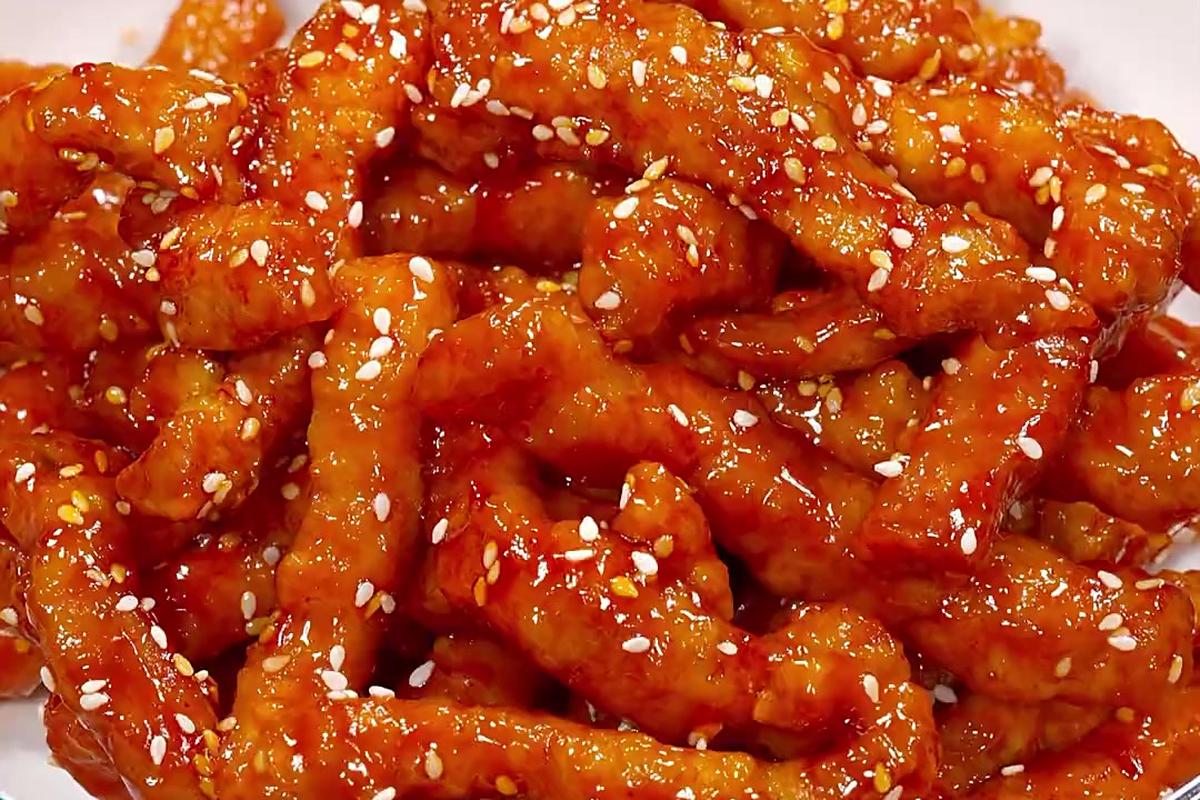
Editor’s Note: Since launching this column, we’ve heard one request more than any other: the stories are great, but how do we actually cook these? Today we’re fixing that — six classic recipes, dropping at once. Here’s how to make 糖醋里脊(咕噜肉)的正宗做法。
This is the practical companion to Sweet and Sour Pork: The Cantonese Classic the World Keeps Getting Wrong — read that first for the history, then come back here to cook.
Most sweet and sour pork outside Guangzhou is a failure of technique. The sauce is fluorescent ketchup sludge. The batter slides off in one wet sheet. The pork — usually loin — has the texture of a pencil eraser steamed under a styrofoam lid. None of this is necessary. The real Cantonese way is simpler than the takeout version and infinitely better. It requires two ingredients most English-language recipes skip, and one step that determines everything: the second fry.
Here is the recipe. I’ve cooked this dish forty times in the last three years. These are the forty lessons distilled into one working method.
Ingredients
| Ingredient | Amount | Notes |
|---|---|---|
| Pork shoulder (豬肩肉) | 400g | Shoulder, collar, or Boston butt. Not loin. Not belly. |
| Shaoxing wine | 1 tbsp | For marinade |
| Ginger | 4 slices | Smashed with the side of a knife |
| Light soy sauce | 1 tsp | For marinade |
| Cornstarch | 100g | For batter — the crisp-maker |
| All-purpose flour | 40g | For batter — gives structure |
| Egg | 1 | Cold, beaten |
| Cold water | 60-80ml | Add gradually — you want a lumpy, thick batter |
| White vinegar (白醋) | 100ml | Not black vinegar. Not rice vinegar. White. |
| Rock sugar (冰糖) | 60g | Yellow rock sugar preferred. Granulated can work but dissolves too fast. |
| Plum sauce (蘇梅醬) | 1 tbsp | Or Worcestershire sauce. The umami anchor. |
| Ketchup | 1 tbsp | Optional. For gloss and depth. Purists will fight you. Let them. |
| Pineapple | 150g | Fresh or canned, cut into bite-sized wedges |
| Green bell pepper | 1 | Cut into diamonds |
| White onion | 1/2 medium | Cut into petals |
| Cornstarch slurry | 1 tbsp cornstarch + 2 tbsp water | For finishing the sauce |
| Vegetable oil | For deep-frying | Enough to submerge the pork in a wok or pot |
Step by Step
1. Cut and Marinate the Pork (30 minutes)
Cut the pork shoulder into 2.5cm cubes — slightly larger than bite-sized because they shrink during frying. Every piece should have some fat marbling. Lean-only cubes will be dry. Toss the cubes with Shaoxing wine, soy sauce, and smashed ginger slices. Cover and marinate for 30 minutes minimum at room temperature. This is the minimum. An hour is better. The salt in the soy begins denaturing the proteins and the Shaoxing drives off the pork’s gamey notes.
2. Make the Batter
In a mixing bowl, combine the cornstarch, flour, and beaten egg. Add cold water a tablespoon at a time, stirring with chopsticks, until you have a batter that coats the back of a spoon thickly and drips in heavy ribbons. Do not overmix. Lumps in the batter are not a mistake — they create irregular crispness on the surface of the pork. Smooth batter produces a smooth shell and a smooth shell is wrong. The batter should look slightly broken, like pancake batter that has not been properly beaten. This is correct.
3. First Fry: 160°C — Cook Through
Heat oil in a wok or deep pot to 160°C (320°F). If you don’t have a thermometer, drop a small piece of batter into the oil — it should sink halfway, pause, then rise slowly with small bubbles around it. If it shoots to the surface immediately, the oil is too hot. Reduce the flame.
Working in batches — do not crowd the wok — coat each pork cube in the batter and drop it in. Fry for 3-4 minutes until the batter is pale gold and the pork is cooked through. The pieces should float. Remove with a spider strainer and drain on a wire rack, not paper towels. Paper towels trap steam underneath and soften the bottom of every piece that touches them. A wire rack lets air circulate.
Let the first batch rest while you fry the remaining cubes. By the time the last batch comes out, the first batch has cooled enough for the second fry.
4. Second Fry: 190°C — Shatter-Crisp
This is the step that determines whether you are making sweet and sour pork or sad sponge chunks. Raise the oil temperature to 190°C (375°F). The oil should shimmer and a test piece of batter dropped in should explode into violent sizzling immediately.
Return all the pork to the oil in one batch — the pieces are already cooked, so crowding is fine. Fry for 60-90 seconds, no longer. The batter transforms: moisture flash-evaporates from the surface, the cornstarch puffs and hardens, and the color shifts from pale gold to deep amber. What emerges is a shell that will stay crisp even after hot sauce hits it. This is not a technique note. This is the entire dish.
Drain on a wire rack.
5. The Sauce — In Parallel
While the pork rests after the first fry, start the sauce. Combine white vinegar and rock sugar in a small saucepan over medium heat. Stir until the rock sugar has completely dissolved — you should see no granules on the back of a spoon. Add the plum sauce (or Worcestershire) and ketchup if using. Bring to a gentle simmer and let it reduce for 2-3 minutes until slightly syrupy. Stir in the cornstarch slurry and cook for 30 seconds until the sauce coats the spoon. Remove from heat. The sauce should be glossy, translucent, and tart — you want two parts sour to one part sweet. Taste it. If it tastes like candy, add another splash of vinegar. You’re not making dessert.
6. The Toss — Fast
Heat a clean wok over high heat with a teaspoon of oil. Throw in the onion petals and bell pepper diamonds. Stir-fry for 30 seconds — just until they release their fragrance but still crunch. Add the pineapple wedges. Stir-fry for 15 seconds. Pour in the sauce. Let it bubble for 10 seconds, then add the double-fried pork.
Toss everything together — 10 to 15 seconds of violent wok movement, no more. Every piece should be coated, nothing should be swimming. If the pork sits in the wok for more than 30 seconds after the sauce hits, the clock has already started on the batter’s decline. Plate immediately.
Key Pitfalls
Using pork loin. Loin is lean and dries out the instant it hits hot oil. No amount of sauce can compensate for pork that fights back when you chew. Shoulder has fat that renders and connective tissue that melts into gelatin. This is not a preference. This is chemistry.
Skipping the second fry. The first fry alone produces a batter that is cooked but soft — a sponge that will absorb sauce and collapse. The second fry at higher heat flash-dehydrates the exterior into armor. Skip it and everything that follows is compromised.
Overheating the sauce. Vinegar and sugar burn at different temperatures. If your sauce blackens or smells acrid, you have scorched the sugar. Start over. Burnt sugar tastes like regret and there is no fixing it.
Letting the finished dish sit. Sweet and sour pork has a five-minute window where the shell holds and the sauce is hot. After that, the batter begins to absorb moisture and the crispness degrades exponentially. This is a dish that must be eaten immediately. It cannot be held for Instagram. It cannot wait for the rice to finish cooking. Cook the rice first. The pork goes last.
Serving
Over plain steamed white rice. Spoon the pork and vegetables onto the rice, then drag pieces through the sauce pooling at the edge of the bowl. No brown rice, no fried rice, no noodles — the neutrality of white rice is the canvas and the sauce is the paint.
In a proper Cantonese meal, sweet and sour pork arrives mid-course: clear soup first, steamed fish second, then this dish when you are warmed up and still hungry. The acidity resets your palate and the crunch changes the rhythm of the meal. Between bites, drink hot jasmine tea — cold water congeals the rendered pork fat on your tongue. Hot tea cuts through it.
Four people. Four minutes on the table. The empty plate with one piece left because everyone is too polite to take it — that is the correct ending.
Start with the story: Sweet and Sour Pork: The Cantonese Classic the World Keeps Getting Wrong — the full history of the dish that taught the world sweet-and-sour, then watched them ruin it.
💬 Comments