Steamed Fish, Cantonese Style — The Dish That Taught Me Restraint
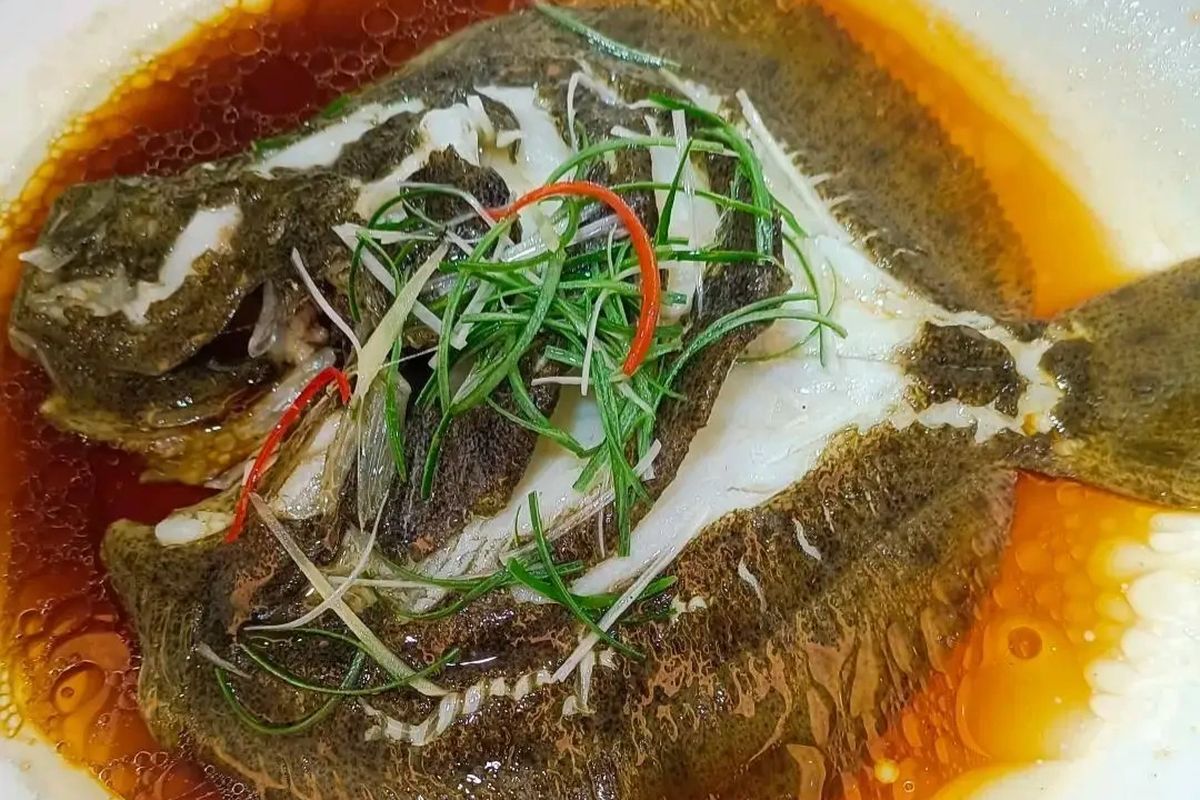
The Fish Arrives Whole
The fish lands on the table with one unblinking eye staring up at whoever’s sitting closest to the head. Steam curls off the platter. My grandmother’s chopsticks hover, then strike. She lifts a piece of flesh from the belly, the part she insists is sweetest, and drops it in my rice bowl without asking if I want it. I was eight. I wanted it.
She cooked this fish for every Chinese New Year, every family birthday, every time someone came home from a long trip. Same white platter. Same ginger threads and scallion ribbons draped across the body like silk ribbon on a gift. Same hiss when the hot oil hit the raw aromatics. That sound meant the meal was starting, which also meant my cousins and I had about four minutes to eat before the adults started asking about grades.
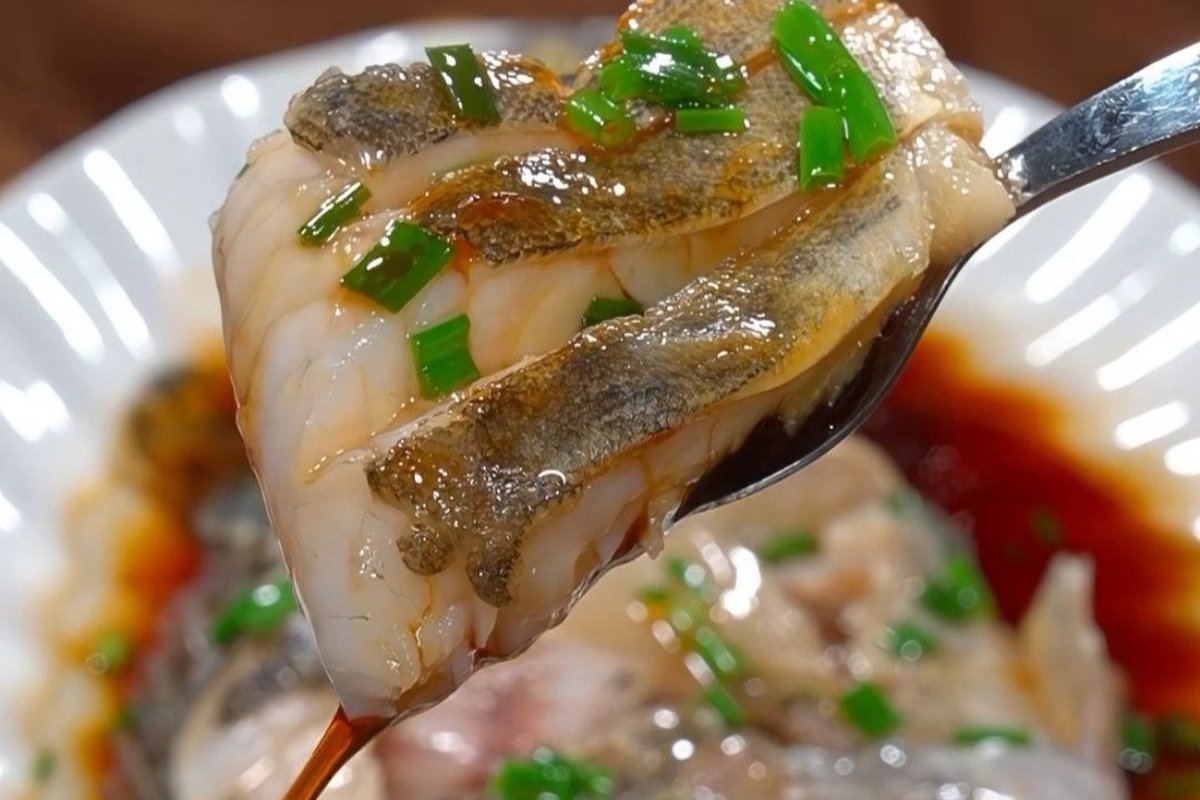
There’s a trick to this dish that separates it from every fish preparation I know: the best version doesn’t taste like it was cooked. The flesh is translucent at the bone, barely opaque at the surface. You don’t bite through it. You coax it apart with your tongue and it yields. This is Cantonese steamed fish (清蒸鱼, qīngzhēng yú), and if the fish on your plate fights back when you chew, you’re eating a different dish.
The Architecture of a Bite
I spent thirteen years writing software. Compilers at Microsoft, search at Google, CUDA stuff at NVIDIA. The thing about distributed systems is you spend most of your time resisting the urge to do too much. The best systems do one thing and get out of the way.
Steamed fish is that principle applied to protein.
You lift a piece with your chopsticks. The flesh separates along invisible seams: muscle fibers that heat hasn’t tightened into resistance. It lands on your tongue the way fresh snow lands on pavement: there, then gone. The first thing you taste isn’t fish. It’s ginger. Fresh, sharp, a little sweet. Then scallion: greener, grassier, cutting through the richness. Then the soy sauce, a salty-umami current that ties everything together without announcing itself. Then, finally, bass. Clean. Mineral. Barely sweet.
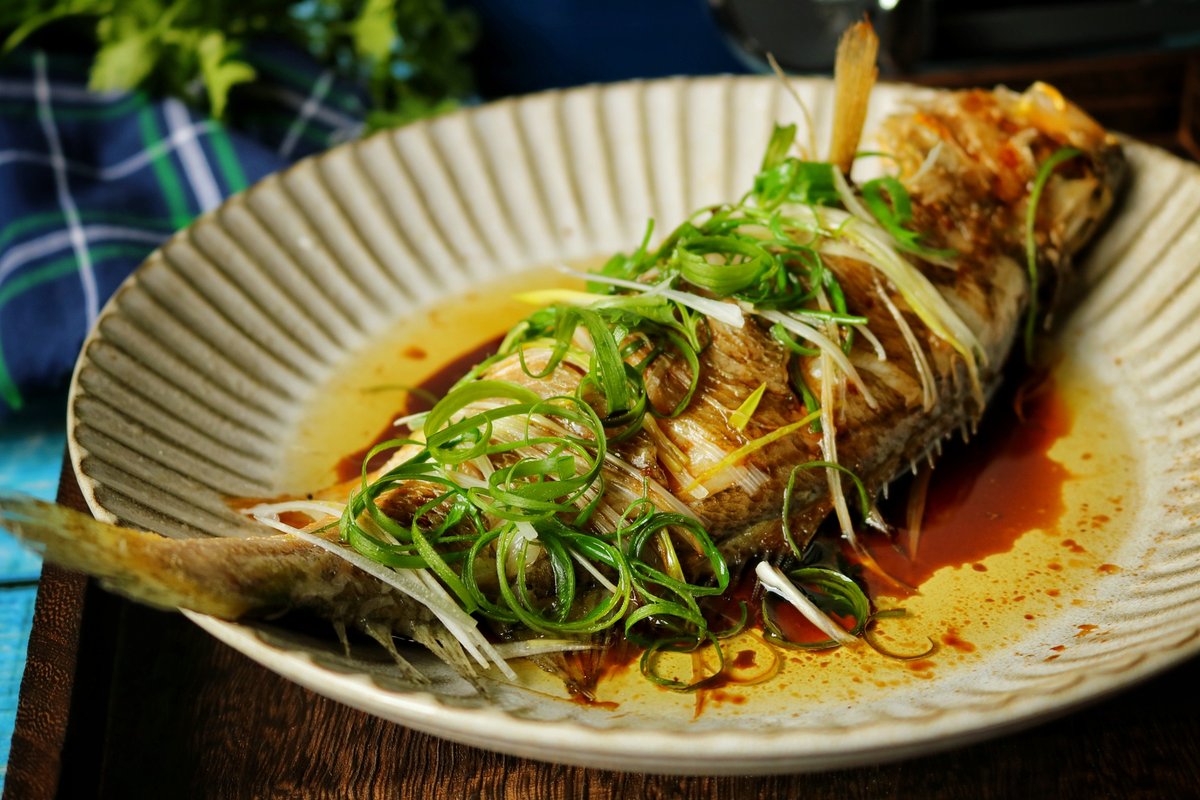
There’s the sound, too: the sizzle when smoking-hot peanut oil hits raw ginger and scallion, poured over the fish seconds before it reaches the table. The oil carries the aromatics’ volatile compounds into the air, so you smell it before you see it. Every table in the restaurant turns. You can’t fake that sound. You can’t fake that smell.
The aftertaste is what gets me. No oil slick on the tongue. No heavy sauce that overstays its welcome. Just a clean fade-out, like the reverb tail on the last note of a song that was already quiet to begin with. A good steamed fish is loud when it arrives and silent when it leaves.
The Man Who Figured It Out
Nobody agrees on who first steamed a whole fish, but the Cantonese version — soy sauce, ginger, scallion, smoking oil — took shape in Guangdong kitchens sometime in the late Qing. The trick was the oil: pour it hot enough to flash-cook raw aromatics on contact. That’s the move. That’s the whole move. Jiang Taishi, a Qing-dynasty food scholar, wrote that steaming preserves what other methods destroy. He was talking about fish, and he wasn’t wrong.
The Enemies of Steamed Fish
You’ve eaten a bad one. The flesh is chalky and dry, pulling away from the bone in stubborn, fibrous chunks. The soy sauce is a dark, salty puddle that tastes of nothing but sodium. The ginger is minced into sad little cubes instead of threaded into silken strips. The fish wasn’t fresh. You can tell because they buried it under black bean sauce like a body under concrete.
Here’s what the real thing needs:
- A live fish. Non-negotiable. The fish should be swimming when you order it — slaughtered, scaled, gutted, into the steamer within ten minutes. Fresh-killed fish has a bounce that dead fish loses within hours. If the eye isn’t clear and bulging, walk out.
- Sea bass or grouper. Tilapia is tough. Catfish is muddy. Freshwater bass (鲈鱼, lúyú) hits the right ratio of fat to sweetness. Grouper (石斑, shíbān) is the banquet version: firmer, sweeter, worth the extra 200 RMB when someone else is paying.
- Ginger threads, not ginger paste. Julienned ginger thin enough to see light through. It should curl slightly when the hot oil hits it. Mincing releases too much juice and makes everything taste like a throat lozenge.
- Peanut oil, smoking hot. Not olive oil. Not vegetable oil. Peanut oil hits 210°C without burning, and that’s what you need to flash the aromatics. The pour should crackle like radio static.
- Light soy sauce, poured after steaming. Some places douse the fish in soy sauce before it goes into the steamer. That’s a war crime. Soy sauce goes on after, so it stays bright and sharp instead of reducing into a salty syrup during the cook.
The Teochew version uses sour plums and salted vegetables. It’s a valid remix. It’s not this dish.
How to Eat It
The belly meat is the prize. It’s the fattiest section, the part that cooks most gently since it curves away from the direct steam. My grandmother always took it for me before I knew to ask. Now I take it for myself and nobody stops me.
The cheek — that tiny disk of flesh behind the eye — is second place. There are only two cheeks on a fish and usually six people at the table, so you have to be fast. I learned this at nine. Nobody congratulated me.
Here’s the sequence: belly first, laid on rice so the grain soaks up the soy-ginger oil pooling on the plate. Then the cheek, eaten plain — nothing between you and the fish. Then the tail section, which has the most bones but the most flavor, picked through slowly while someone else carries the conversation. By the time you reach the tail, the discussion has moved from the fish to whatever family drama is currently unfolding, and you’re half-listening, half-sucking meat off fine bones.
My grandmother is gone now, but I still order steamed fish the way she served it: whole, simple, and exactly when everyone is finally seated. The hiss of hot oil on ginger is still the sound that means dinner.
Out of space for today — I’ll save the home-cooking breakdown for another post. Doing steamed fish justice at home means nailing the timing (thirty seconds too long in the steamer and you’ve ruined it) and sourcing a fish that was swimming an hour ago. That deserves its own deep dive. Recipe coming soon.
💬 Comments