Shacha Noodles: The Bowl That Refuses to Leave Xiamen
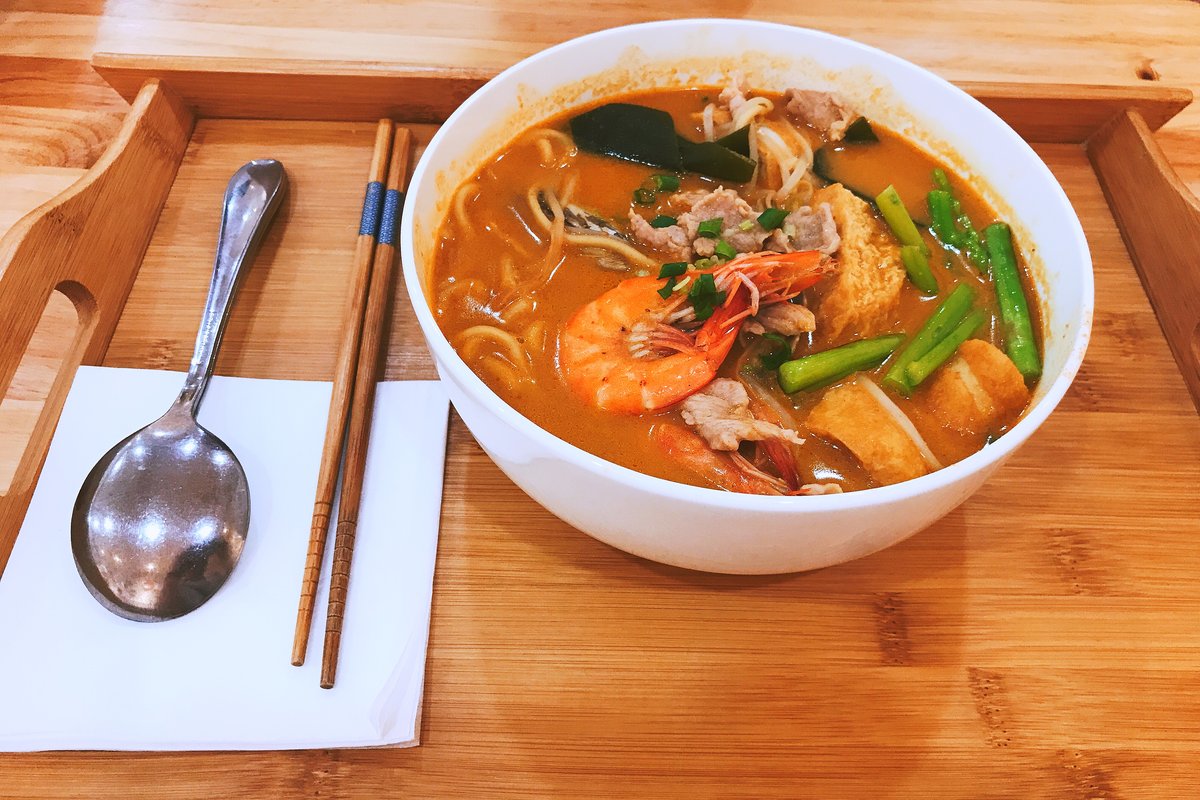
Six-forty in the morning, and the alley behind Xiamen's Eighth Market already smells like roasted peanuts and dried shrimp. Not fishy, exactly. Toasted. Sweet at the edge, with a low chili hum underneath that reaches your nose before your brain can name it.
A woman in a floral apron stands behind a counter the size of a school desk. In front of her, two rows of steel trays: pork liver sliced thin as a coin, squid scored in a crosshatch, tofu puffs the color of honey, duck blood cut into dark bricks, curls of intestine, pink shrimp still cold from the ice. That is the entire menu. There is no menu.
You point. She nets. Pork liver into one basket, squid into another, a fist of pale yellow noodles into a third. She dips each basket into boiling water in a sequence she has clearly performed ten thousand times, tips them into a bowl, and ladles broth over the top. The broth is the color of rust. It doesn't look like soup. It looks like something reduced past the point of politeness.
The first spoon is where people get surprised. You expect peanut, because it smells like peanut. What arrives instead is shrimp — dried, salty, almost cheesy — then a sweetness that isn't sugar, then the chili opening at the back of your throat. And the texture: gritty. Not smooth. The paste is ground fine but never to a purée, so the broth carries sand-fine particles of peanut and dried fish that coat your tongue and stay there. Xiamen people call that body. A sauce that disappears on contact is a sauce that never showed up.
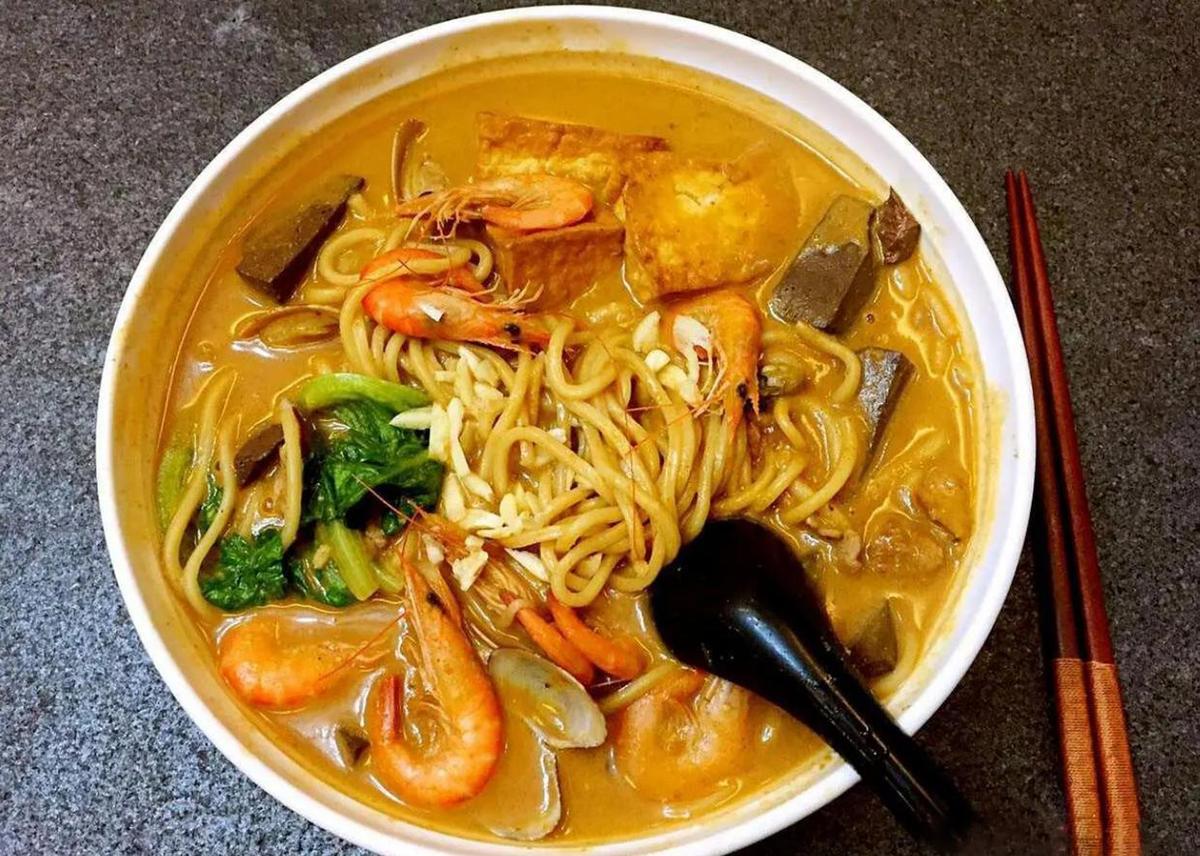
Two years of the wrong jar
I spent most of two years trying to eat this in Shanghai and failing.
The failure had a shape. There's a jar you can buy in the import aisle. 沙茶酱 (shāchá jiàng) printed on the label, a stock photo of a wok on the front. I thinned it with chicken stock, poured it over noodles, and got something sweet and flat, like ketchup that had been introduced to peanut butter at a party neither of them wanted to attend. I made it four times. It got worse each round, because each round I believed in it a little less.
The problem was the paste. Xiamen shacha is not a condiment you dab. It's built to be cut with broth, so it runs saltier, sharper, more fish-forward than anything sold in a jar abroad. What I had was a dipping sauce. What a bowl of noodles needs is a base.
Then I stood at that counter at six-forty in the morning, and the difference stopped being theoretical. The jar wasn't a lesser version of this. It was a different sauce wearing the same three characters.
A sauce with a passport
The name gives it away if you know where to listen. 沙茶 isn't "sand tea," though that's what the characters say out loud. It's a Hokkien transliteration of satay, same word as the skewers. Fujianese men who went to Malaya, Singapore and Java in the late 1800s came home carrying the idea of a spiced peanut sauce, and Xiamen's cooks rebuilt it out of local parts: dried shrimp off the coast, dried flounder, peanut, shallot, garlic, chili, five-spice. Thinner than the Southeast Asian original, more seafood than coconut. By the 1920s it was being ladled over noodles on street corners, and it hasn't moved much since.
Every shop guards its ratio the way families guard recipes — badly and loudly. The constants: peanuts roasted dark, never raw; shrimp and flounder fried first so the oil takes on the fish; shallots cooked down until they're nearly candy; chili added last so it stays bright instead of muddy. The variable is the balance between salt and sweet, and that's where a bowl is won or lost.
Sand, tea, and lies
The sweet one. If the broth tastes like the peanut sauce that arrives with chicken satay, someone dumped sugar in to cover a thin base. Real shacha hits salt before it hits sweet. You should want a second spoon because the first one made you thirsty, not because it made you happy.
The pink water. A spoon of paste stirred into hot water is not broth. Good shops simmer pork bones and dried shrimp for hours and stir the paste in near the end. The tell is how it behaves on the noodles. Broth clings. Water runs off and pools at the bottom, pink and thin.
The curry imposter. Yellow, coconut-heavy, perfumed with lemongrass. That's a fine dish from a different country. Order it if you like it. Don't call it shacha.
The packet. Instant shacha noodle cups sit in every convenience store in Fujian. They taste like the idea of the dish as remembered by someone who never ate it.
One regional note, because it trips people up: an hour up the coast in Chaozhou, shacha is a dip for beef hot pot, served in a small dish next to soy. Same paste, entirely different job. Nobody in Xiamen dips. They pour.
Slurp, then drink
The noodles are 碱面 (jiǎn miàn) — alkaline wheat noodles, yellow, faintly springy, with a texture that survives about ninety seconds in hot broth before it starts to soften and surrender. Order small if the counter is busy. This bowl is engineered to be eaten fast; a bowl that sits is a bowl going soft.
Eat the toppings first while they're hot, then the noodles, then — not optional — drink the broth. All of it. The last inch of the bowl is where the grit settles, the peanut and dried shrimp and chili oil that nothing else picked up, and it tastes like the strongest version of the thing you came for.
I left half a bowl my first morning, out of habit. In most of China the soup is a vehicle and you leave it. The auntie looked at the bowl, then at me, and said in slow deliberate Mandarin, the way you speak to someone you suspect won't believe you: 汤才是面. The soup is the noodle.
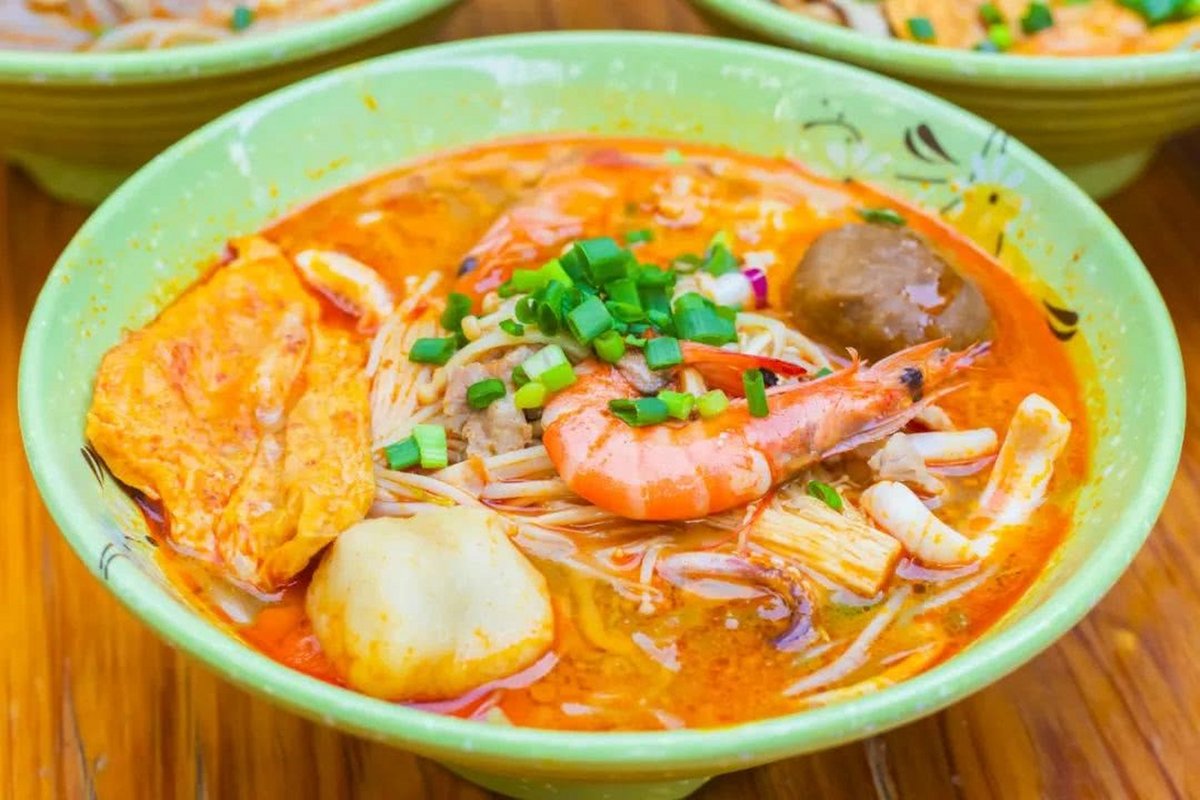
She was right, and she was also telling me something about the hunt itself. What I'd been chasing in Shanghai was never a recipe I could reconstruct. It was a bowl that exists at one counter, at one hour, made by someone who has been stirring that pot since before I could read. You can't ship that. You can only go.
💬 Comments