How to Cook Scallion Oil Noodles: Twenty Minutes of Patience
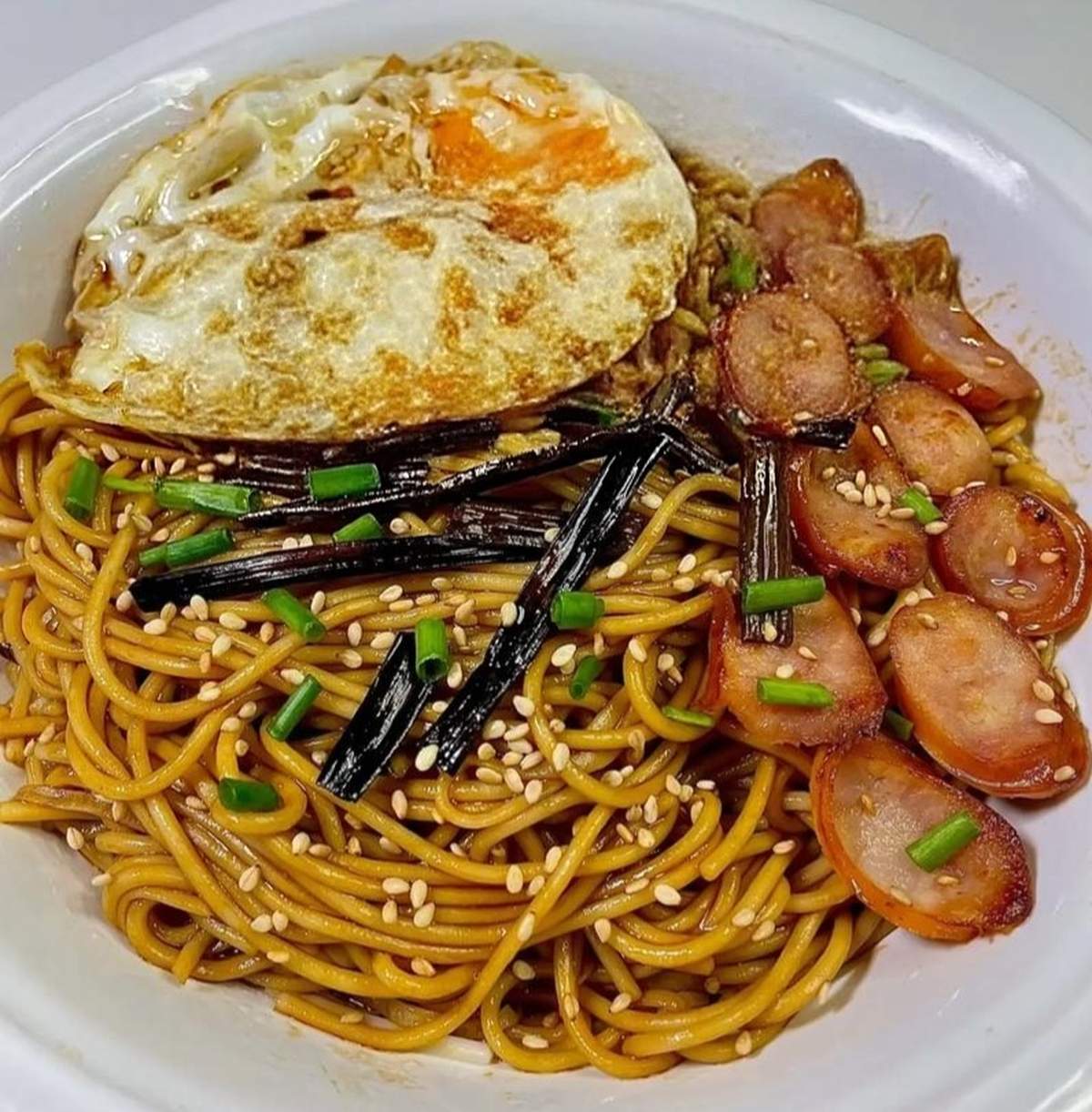
Editor’s Note: This is the kitchen companion to Scallion Oil Noodles — Shanghai's Midnight Alchemy. Quantities, temperatures and the failure points are below. Read the technique once before you shop.
Why Twenty Minutes at Low Heat Is the Whole Recipe
Scallion oil noodles are four ingredients and one long wait, and the wait is the technique. Scallions dropped into smoking oil turn bitter in forty seconds. The same scallions in oil held at 130°C give up their sweetness slowly, and the oil takes on a green-gold colour that no high-heat shortcut reproduces. The difference between the two versions is not subtle: one tastes of burnt onion, the other of scallion itself, sweet and slightly grassy.
The ratio is 100ml of neutral oil to 60g of scallions, about eight thin spring onions. You separate the green tops from the white and pale-green bases because they behave differently. The whites hold water and sugar and can take the full heat; the greens scorch and go acrid long before the whites are ready. Whites first for 10 minutes, greens for the last 8 to 10, so the whole fry runs 15 to 20 minutes at low heat, until both are deep brown but never black. Why this matters: blackened scallions turn the oil bitter, and there is no way to strain that bitterness back out.
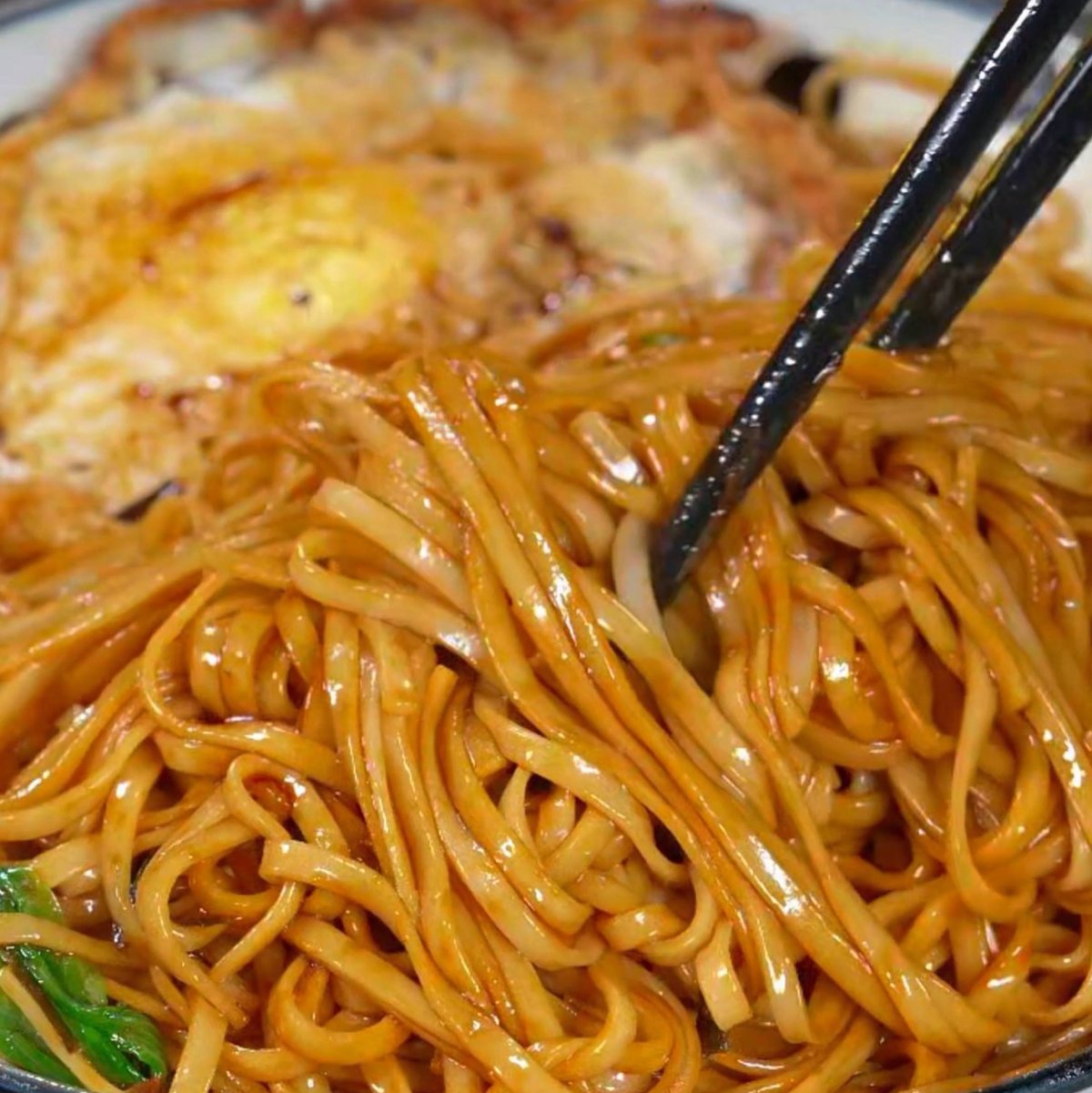
The sauce is 2 tbsp light soy, 1 tbsp dark soy and 1 tsp sugar for two portions. Dark soy is there for colour, not salt. It is thicker, aged longer and markedly less salty than light soy, and 1 tbsp turns the noodles a deep mahogany. Use 2 tbsp and the bowl goes black and tastes of iron. Light soy does the seasoning, which is why the ratio is weighted towards it.
Two tablespoons of the starchy water the noodles cooked in get reserved before draining. That water emulsifies the soy and the oil into a coating that clings to each strand instead of pooling at the bottom of the bowl. Without it you get oily noodles and a puddle of salty soy underneath. The oil itself keeps for three weeks in the fridge and must be cold when it goes into the jar, because warm oil in a sealed container condenses water on the lid, and water in oil is where spoilage starts.
Ingredients
For the scallion oil
- 100ml neutral oil, rapeseed or peanut
- 60g spring onions, about 8 thin ones
- 1 clove garlic (3g), smashed, optional
For the sauce
- 2 tbsp (30ml) light soy sauce
- 1 tbsp (15ml) dark soy sauce
- 1 tsp (4g) caster sugar
- 2 tbsp (30ml) hot noodle water, reserved
For the noodles
- 200g fresh thin wheat noodles, or 180g dried
- 2 litres water
- 1 tsp (5g) fine salt, for the pot
- 1 tsp (5ml) sesame oil, optional
- 1 tsp (4g) toasted sesame seeds, optional
- 1 small cucumber (100g), cut into matchsticks, optional
Substitution notes: Dried spaghetti works in place of fresh wheat noodles at 180g, cooked 1 minute past the packet time so it stays soft enough to coat. If you have no dark soy, use 1 tbsp of light soy plus 1/2 tsp of molasses or dark brown sugar, though the colour will be lighter and slightly sweeter. Shallots can replace half the spring onions, sliced 3mm thick; they brown faster, so check them at the 8-minute mark.
Do not substitute olive oil. Its flavour is too strong and it smokes below the temperature the whites need.
Prep: Five Minutes Before the Oil Goes On
1. Trim and split the scallions (4 minutes)
Cut off the roots and the very tips of the green tops. Cut each scallion where the green turns pale, so you have a white base section and a green top section. Halve the white sections lengthways if they are thicker than your finger, so they cook at the same rate as the greens. Keep the two piles separate and dry them with a cloth, since water on the surface will spit in the oil.
2. Mix the sauce in a bowl (1 minute)
Stir the light soy, dark soy and sugar together until the sugar dissolves, about 30 seconds. Taste a drop: it should be salty with a sweet edge, not syrupy. Set it beside the stove with the reserved-water jug.
3. Put the noodle water on to boil (0 minutes)
Fill a pot with 2 litres of water and the 1 tsp of salt and bring it to a rolling boil while the oil heats. The two timings are meant to land together, so start the pot now, not later.
Step by Step: Twenty Minutes, Unattended Mostly
Step 1: Heat the oil to 130°C (2 minutes)
Pour the 100ml of oil into a small, heavy saucepan, one that holds the oil at a depth of about 2cm. Set it over medium-low heat. If you have a thermometer, aim for 130°C to 140°C: a scallion dropped in should send up a slow necklace of small bubbles, not a furious ring. Without a thermometer, test with a 3cm piece of white scallion; if it browns in 10 seconds, the oil is too hot and the pan needs to come off the heat for a minute.
Step 2: Fry the whites (10 minutes)
Add the white sections and the smashed garlic if using. They should sizzle gently and slowly turn from opaque to gold, then to a light brown. Stir every 2 minutes so they colour evenly. At 10 minutes they will be the colour of weak tea. Do not raise the heat to hurry this; the sugar in the whites needs time to caramelise rather than burn.
Step 3: Add the greens until deep brown (8 minutes)
Add the green tops and lower the heat slightly. They will hiss, shrink and wrinkle. At 6 minutes they are olive; at 8 to 10 they are deep brown and crisp at the edges, and the whites are the colour of dark honey. Pull the pan off the heat the moment you see the first thread of black, because black means bitter. Why this matters: the oil is done when the scallions are dark brown and crisp, not when they are black, and the last thirty seconds decide which you get.
Step 4: Cook the noodles and warm the sauce (3 minutes)
Drop the noodles into the boiling water and stir once so they do not stick. Fresh noodles take 2 to 3 minutes, dried 4 to 5. While they cook, put the sauce bowl in the sink and add 2 tbsp of the hot noodle water, then 3 tbsp of the scallion oil, whisking with chopsticks until the mixture looks glossy and slightly thickened.
Step 5: Toss and serve (1 minute)
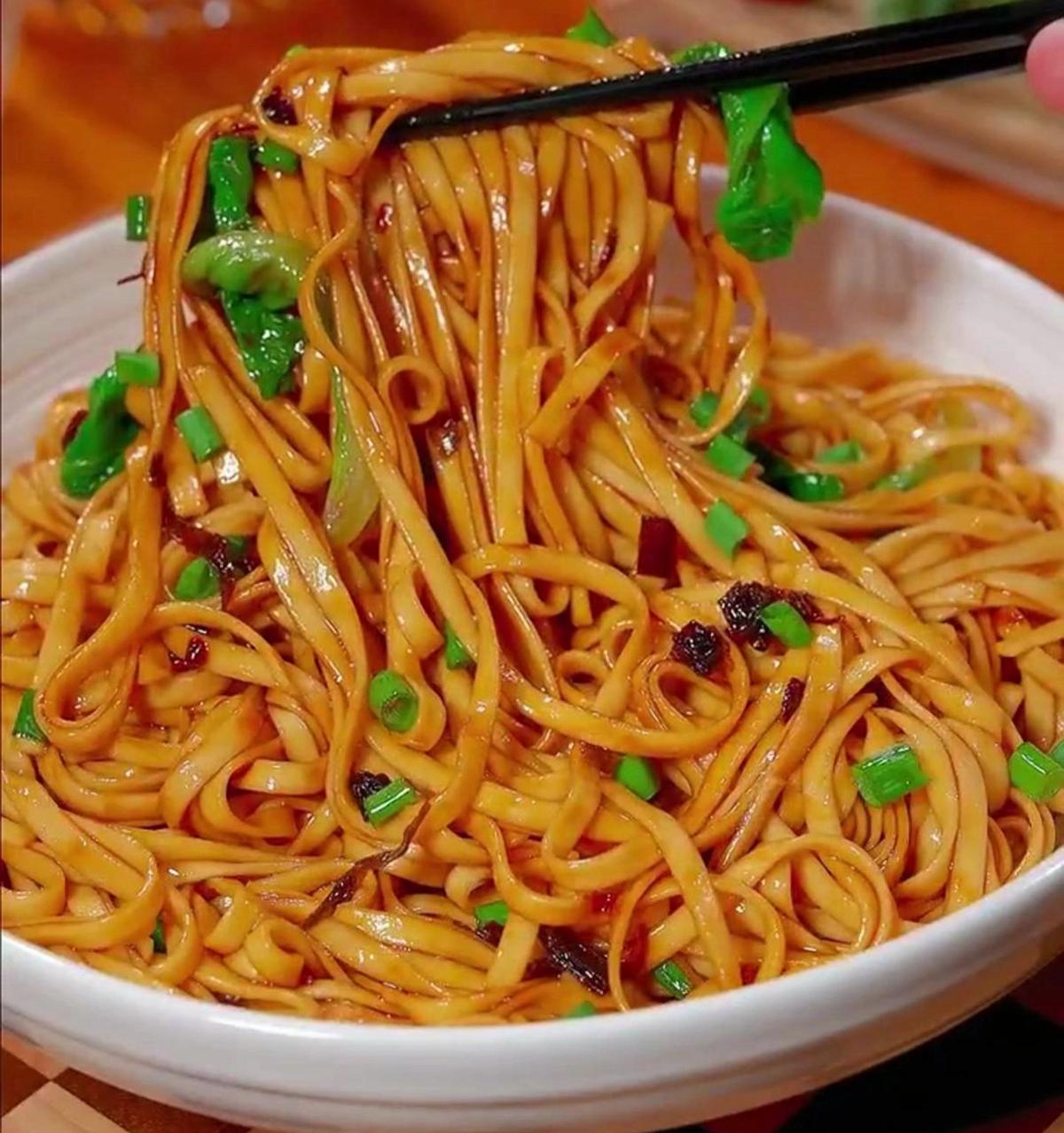
Drain the noodles, shake them once, and tip them straight into the bowl. Toss with chopsticks for 20 seconds, lifting high so the strands separate and the sauce reaches all of them. Scatter the fried scallions, add the sesame oil and seeds if using, and eat at once, while the strands are still slippery.
Key Pitfalls
The scallions were black and the oil tasted bitter. The heat was too high, or you walked away at the end. Once scallions go past deep brown they turn acrid within 20 seconds. Keep the oil at 130°C, stir every 2 minutes, and pull the pan off the heat at the first dark thread.
The oil was pale and tasted of raw onion. The heat was too low or the time too short, so the scallions never caramelised. A pale oil tastes green and sharp. Return the pan to medium-low and give it another 5 minutes; colour is the only reliable clock here.
The noodles came out almost black and tasted of salt. You used dark soy as if it were light soy. Dark soy is for colour and is less salty but far stronger in flavour; more than 1 tbsp per two portions overwhelms the dish. Keep the 2:1 ratio and season with light soy.
The sauce pooled at the bottom of the bowl. There was no starch water, or the noodles were bone dry when they went in. Reserve 2 tbsp of the cooking water before draining, whisk it into the soy and oil first, then toss while the noodles are hot enough to absorb the emulsion.
The noodles clumped into a brick within a minute. They were undercooked at the centre, or they sat in the colander. Cook fresh noodles 2 to 3 minutes, drain for no more than 10 seconds, and toss immediately. A drop of the scallion oil in the cooking water also helps, though it is not required.
The jar of oil spoiled within a week. It was bottled warm, or the fried scallions were left in it. Warm oil condenses water under a sealed lid, and wet scallion solids sour. Cool the oil completely, strain out the solids, and keep it covered in the fridge for up to 3 weeks.
Serving Suggestions
Serve it plain, in warm bowls, with nothing on top but the crisp scallions. A halved soft-boiled egg or a handful of cucumber matchsticks is a common addition in Shanghai homes and adds texture without competing with the oil. The dish is rich, so keep the rest of the meal light: pickled cucumber, a clear soup, or plain blanched greens.
Roasted oolong or cold barley tea cuts the oil better than water. Leftovers do not reheat well as noodles; instead, use the remaining scallion oil to fry rice the next day, one tablespoon per bowl, and the noodles themselves can be revived for 30 seconds in boiling water. The oil will outlast the noodles by weeks, which is the point of making a full batch.
This is the companion recipe to Scallion Oil Noodles — Shanghai's Midnight Alchemy. Read the story, then cook the dish.
💬 Comments