8 step-by-step recipes and counting — tested, photographed, and written for home cooks.
Not just ingredient lists — these are the recipes we cook from in our own kitchen. Every technique explained, every substitution noted, every pitfall flagged. 8 recipes and growing, each paired with the story of the dish. Because knowing why makes the how stick.
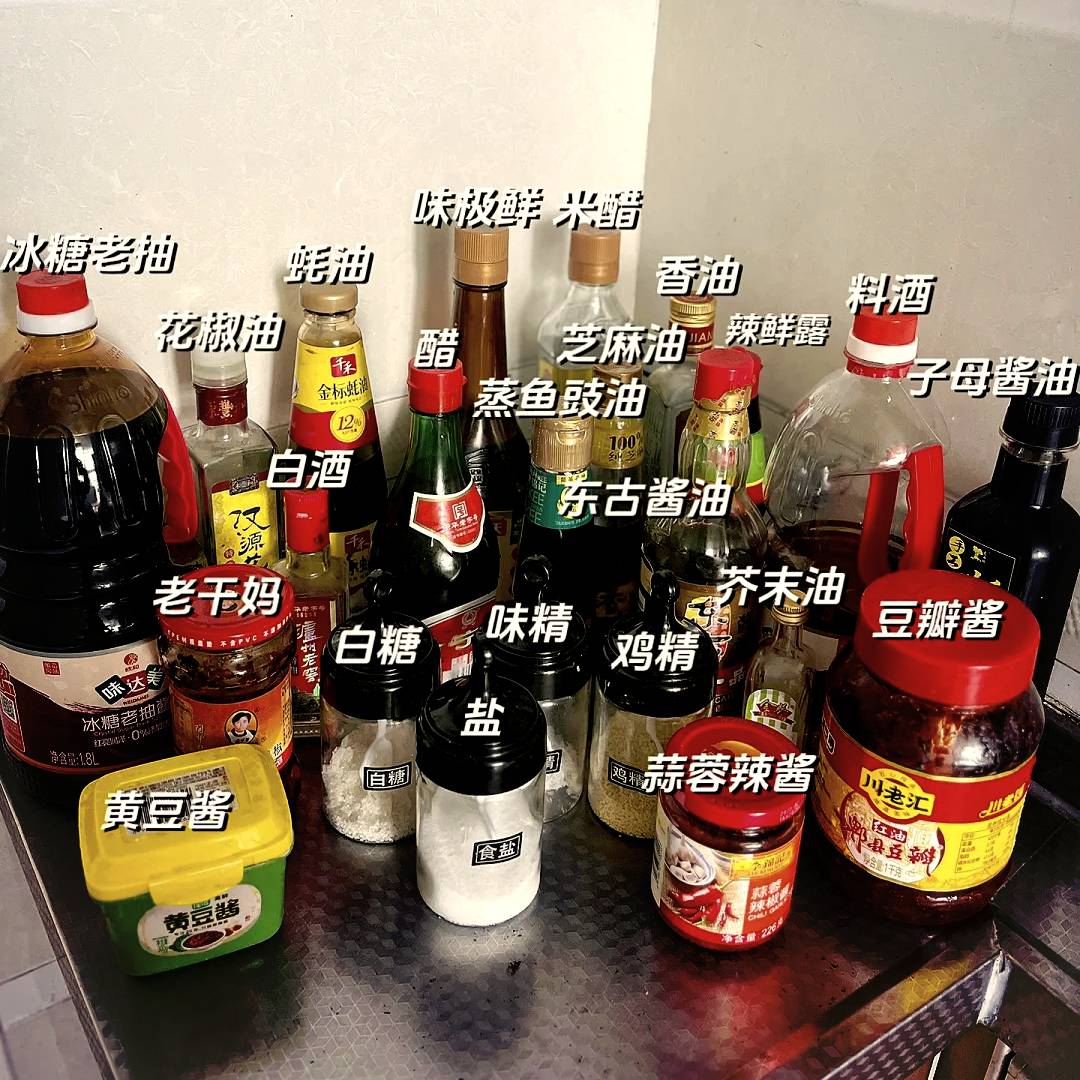
Chinese supermarkets have hundreds of sauces and spices — but you only need 11 to cook 80% of home-style Chinese food. Here's what to buy, what to skip, and why your kitchen already has half of them.

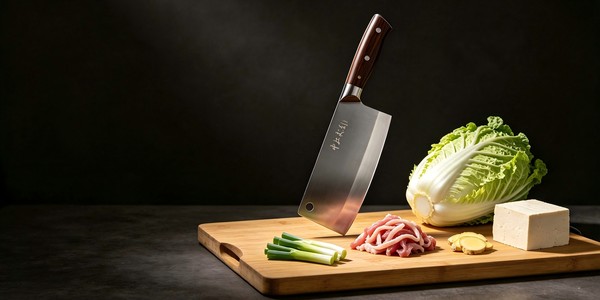
Carbon steel vs cast iron, flat bottom vs round, seasoning without the rituals — everything you need to know about buying and maintaining the only pan that matters in a Chinese kitchen.
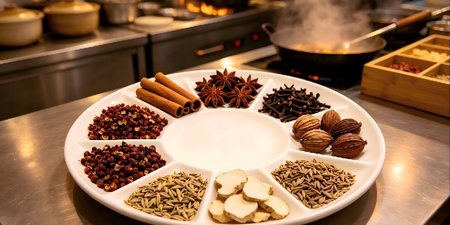
Sichuan peppercorn, star anise, cassia, cloves, and more — the eight spices that power Chinese cooking, how to use them, and what you can safely ignore.
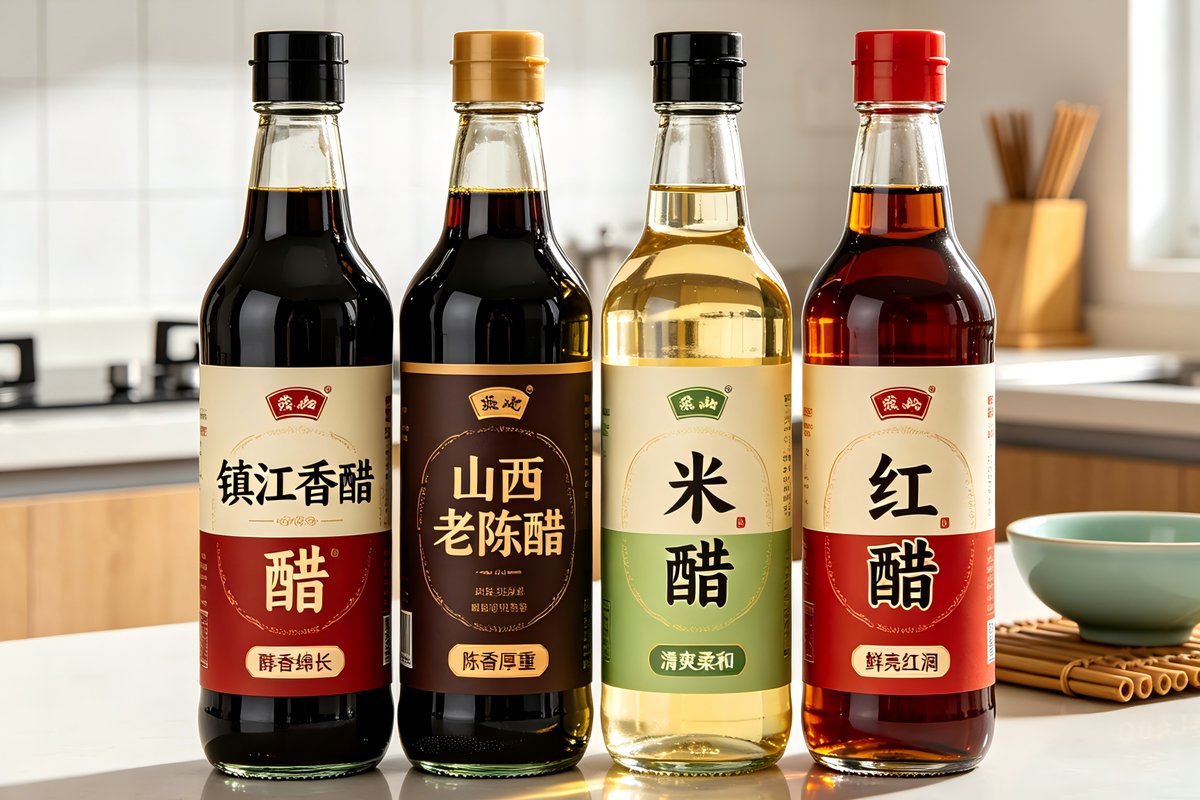
Chinkiang black vinegar, Shanxi aged, rice, red — the four Chinese vinegars that do entirely different jobs, and why one bottle handles eighty percent of everything.
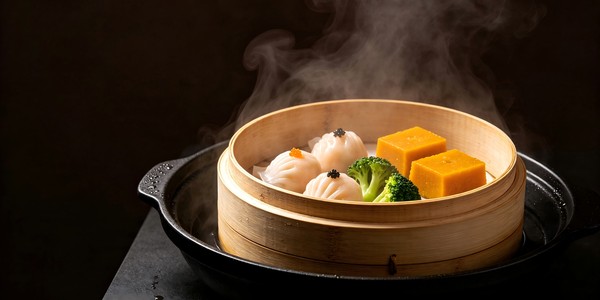
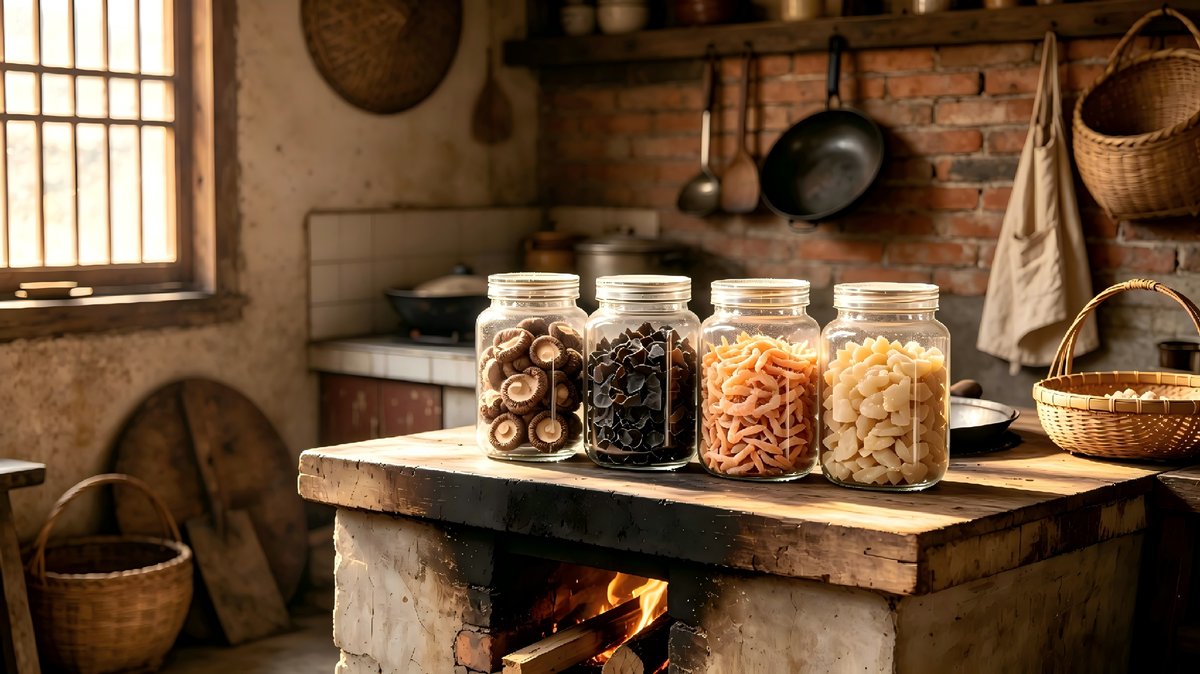
Dried shiitake, wood ear, dried shrimp, dried scallops — the four Chinese dried goods that turn water into umami, and why one bag of dried mushrooms earns its shelf space forever.
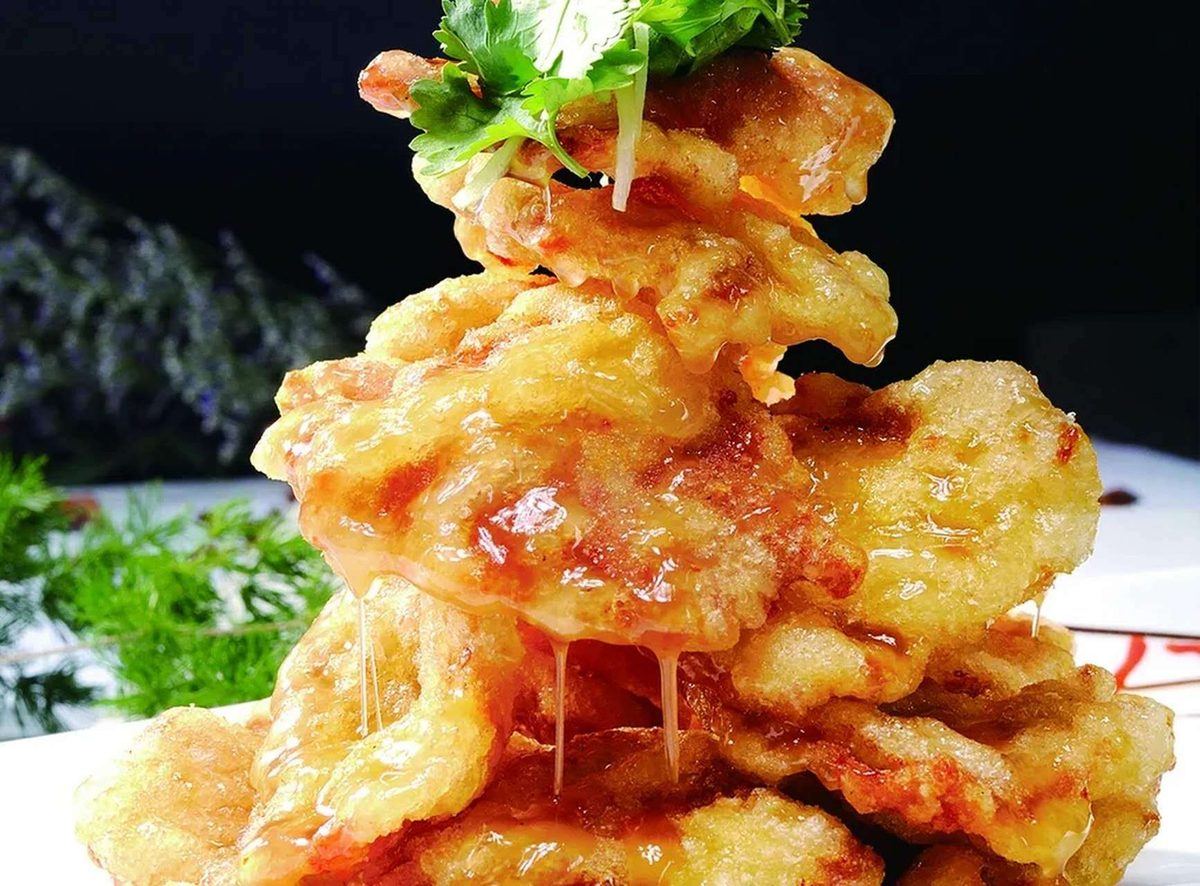
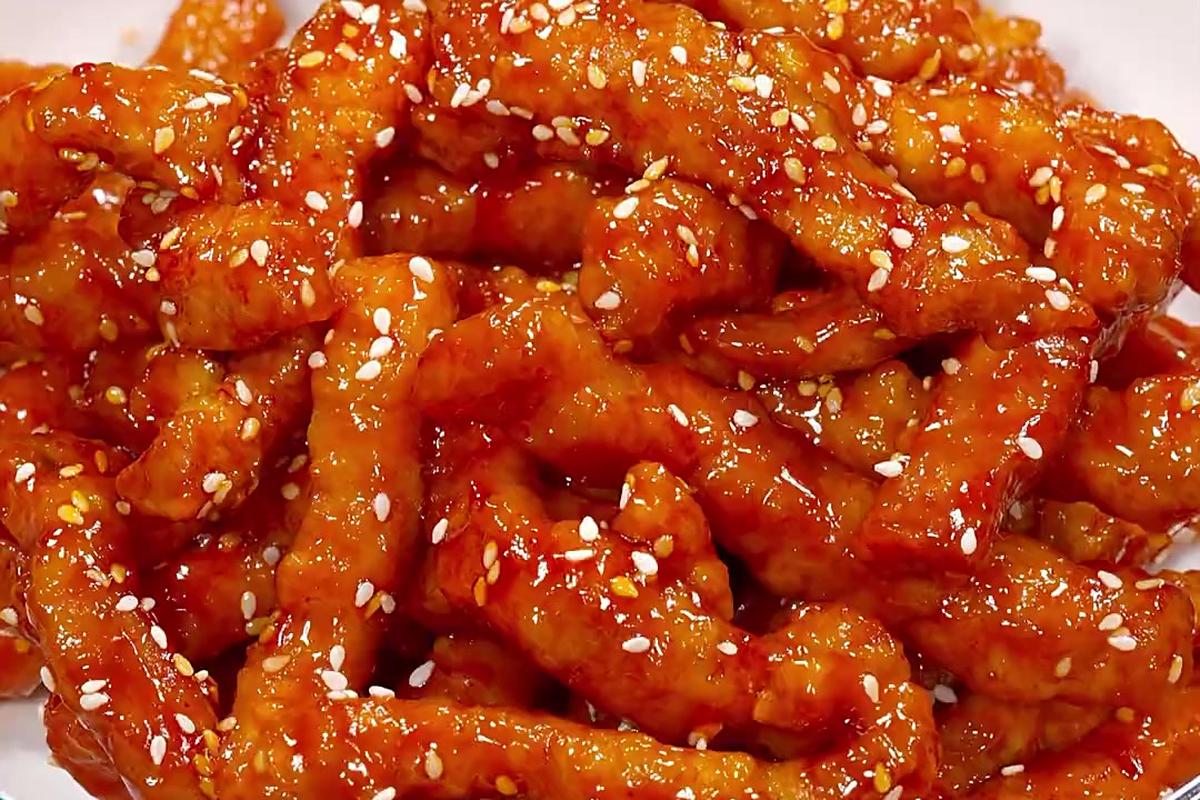
The authentic Harbin-style double-fried pork that shatters when you bite — crisp potato starch shell, tender loin, and a translucent sweet-sour sauce that takes 30 minutes from fridge to table.
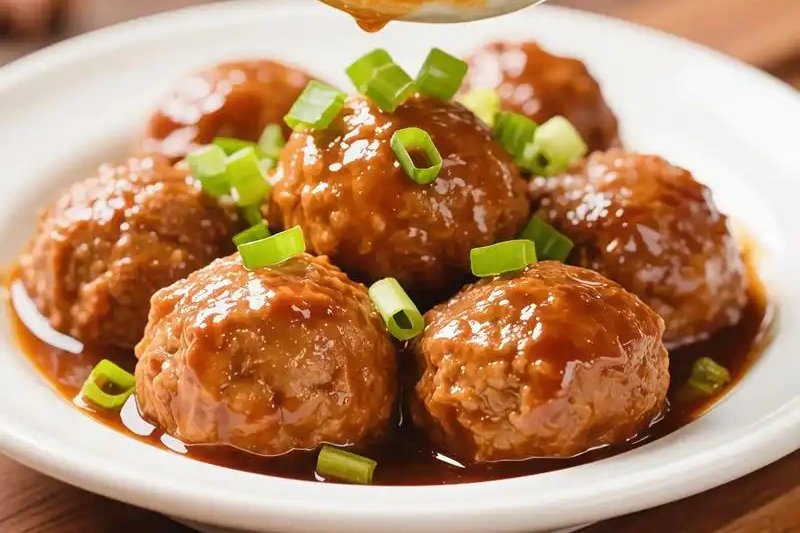
A practical step-by-step guide to making hongshao shizi tou at home — hand-chopped pork, two-hour braise, and the water chestnut crunch that defines the real thing.
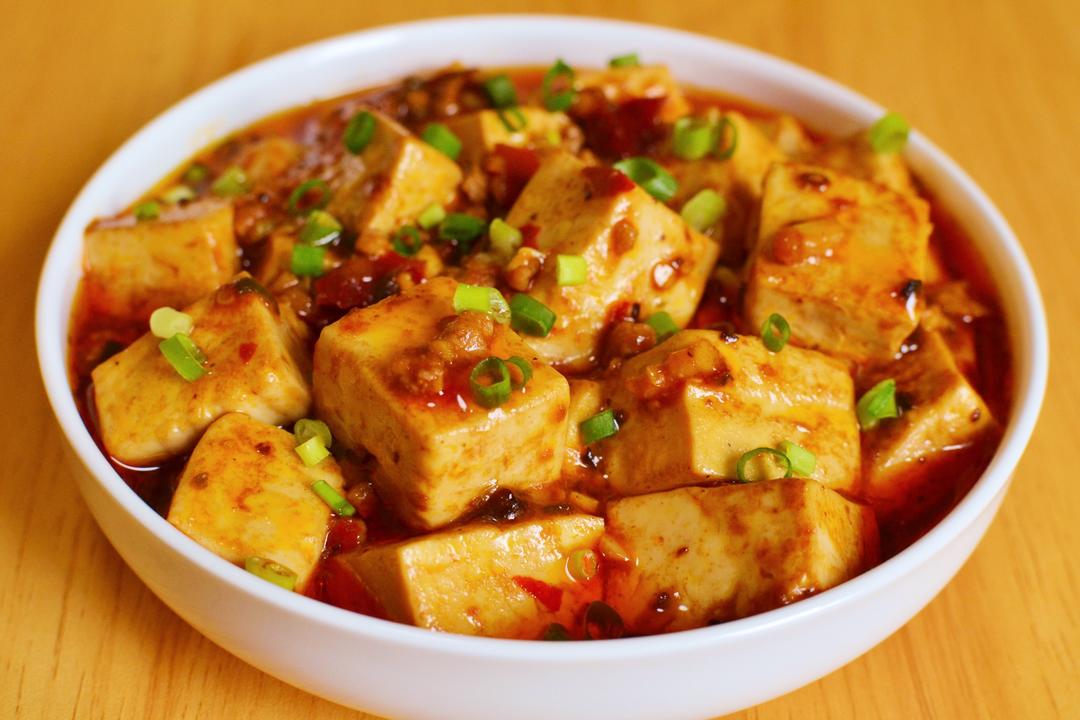
A step-by-step practical guide to making authentic Sichuan Mapo Tofu at home — silken tofu in a crimson lake of doubanjiang and fermented black beans, electrified by freshly ground Sichuan peppercorns
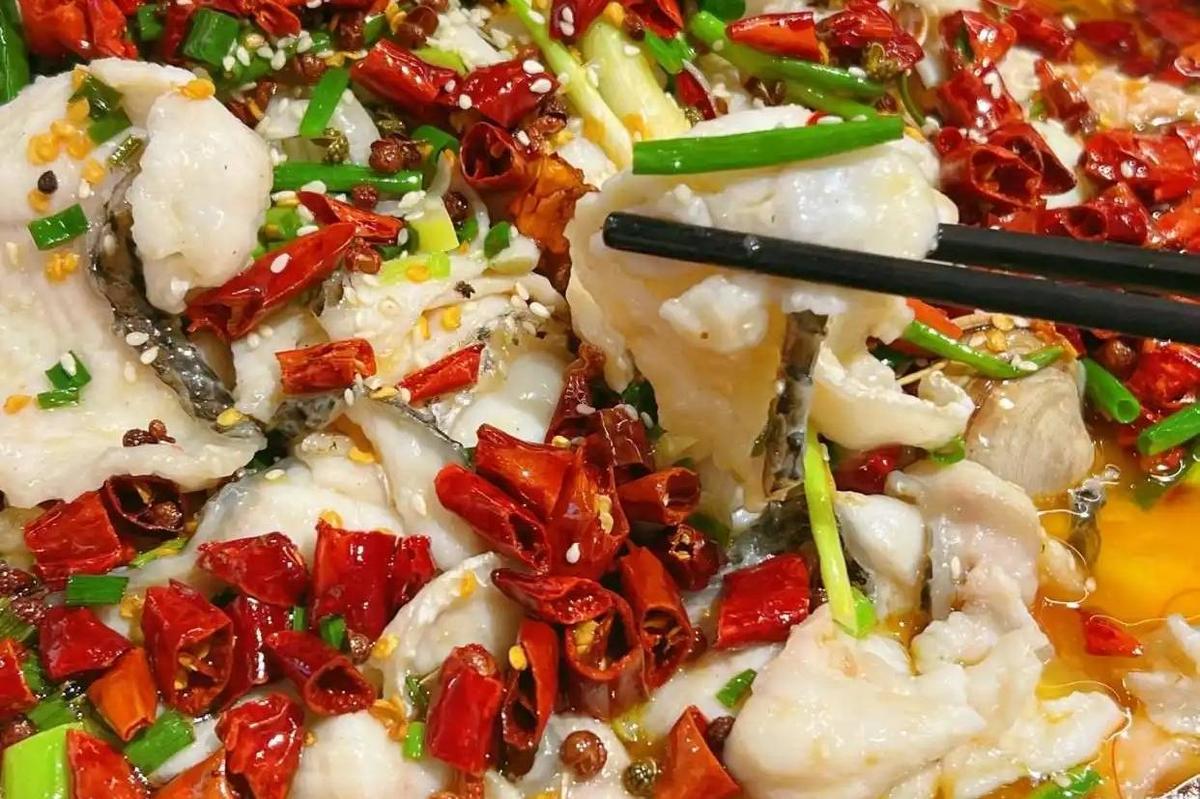
A step-by-step guide to making Sichuan Boiled Fish at home — tender white fish fillets in a cauldron of chili oil and mouth-numbing Sichuan peppercorns.
A practical guide to the real Cantonese sweet and sour pork — double-fried for shattering crispness, tossed in a balanced sauce that has nothing to do with that neon-red takeout version.
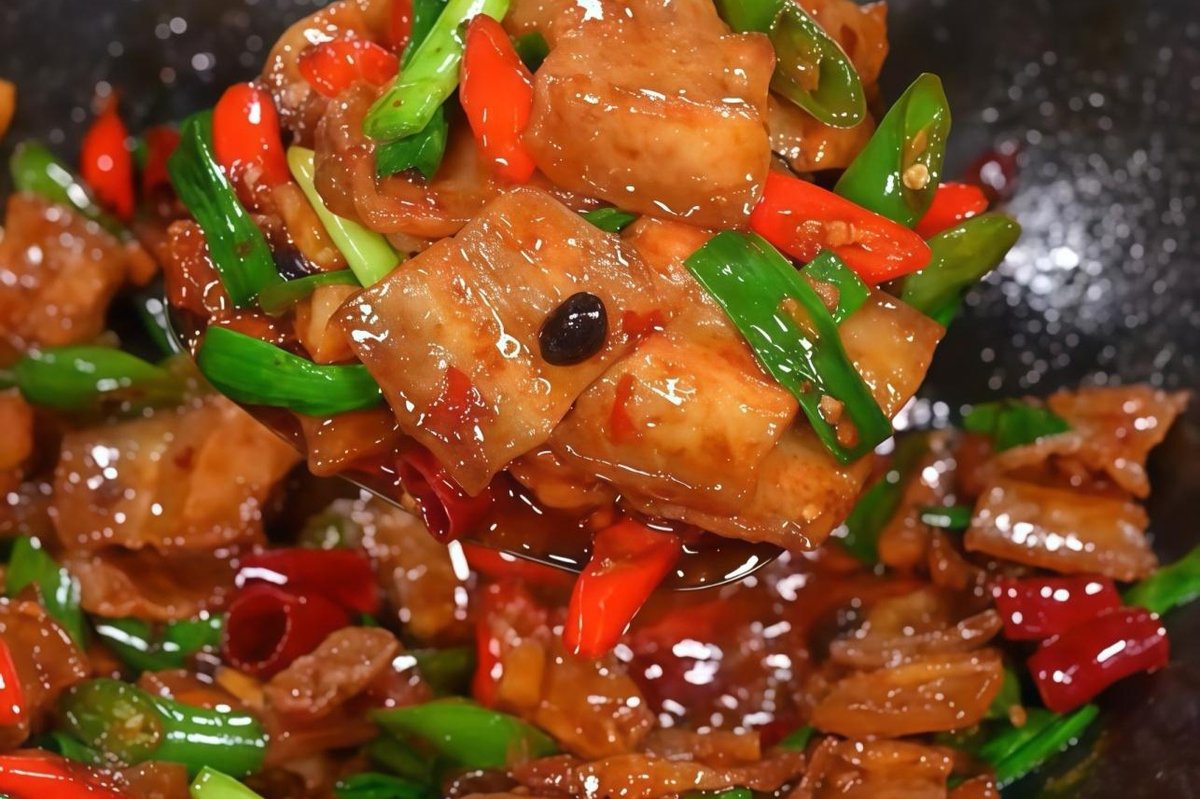
A step-by-step guide to authentic twice-cooked pork — pork belly boiled, sliced, and seared in its own rendered fat with fermented broad bean paste and fresh leeks.