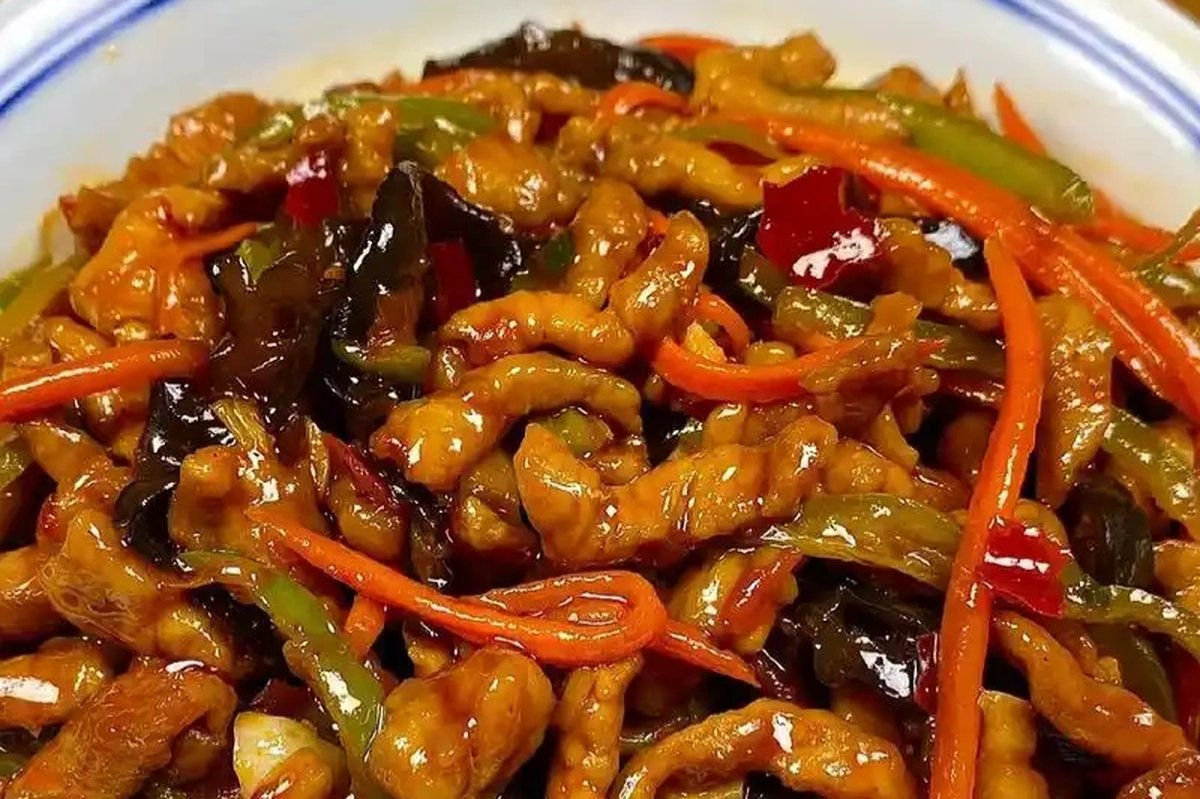
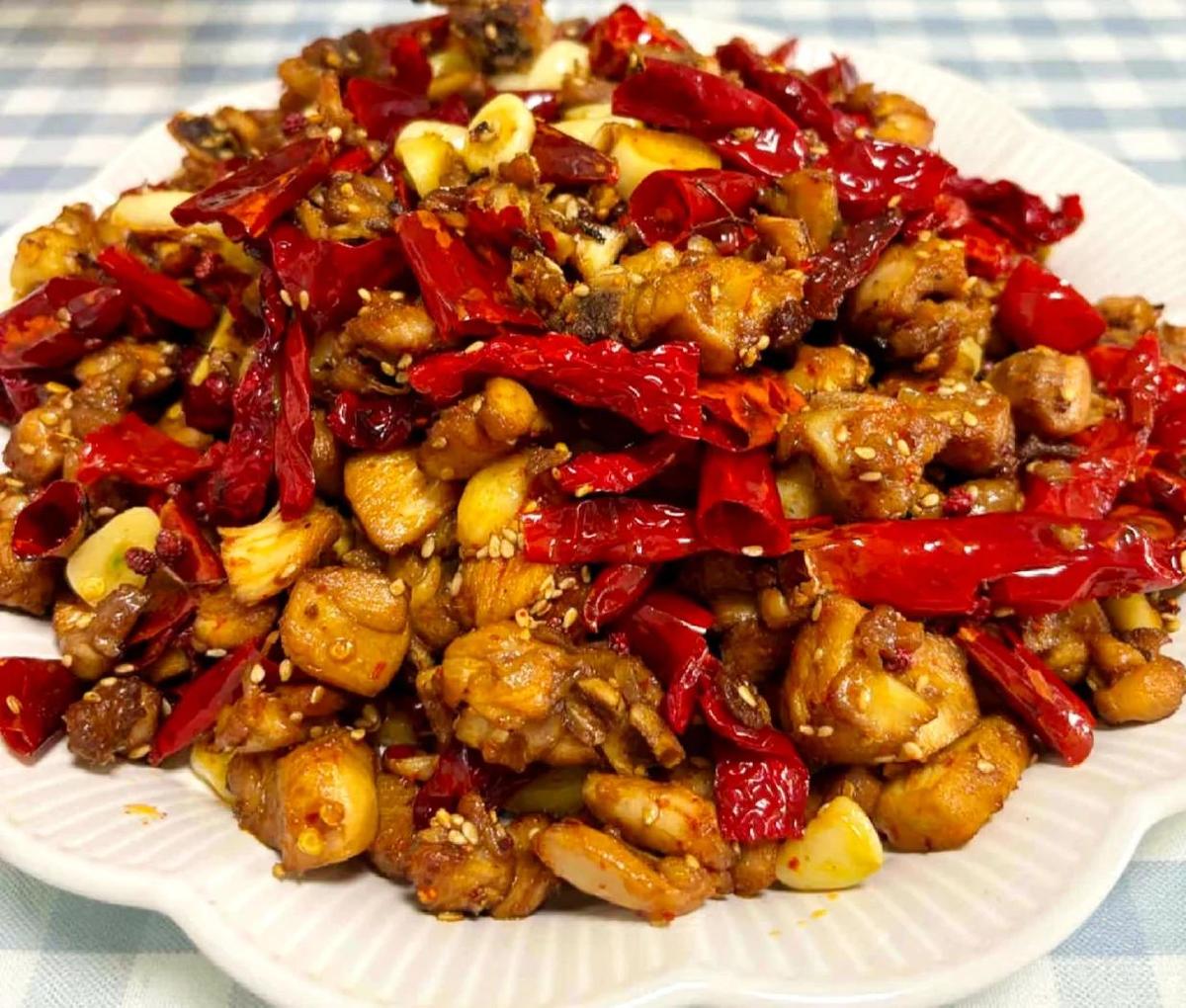
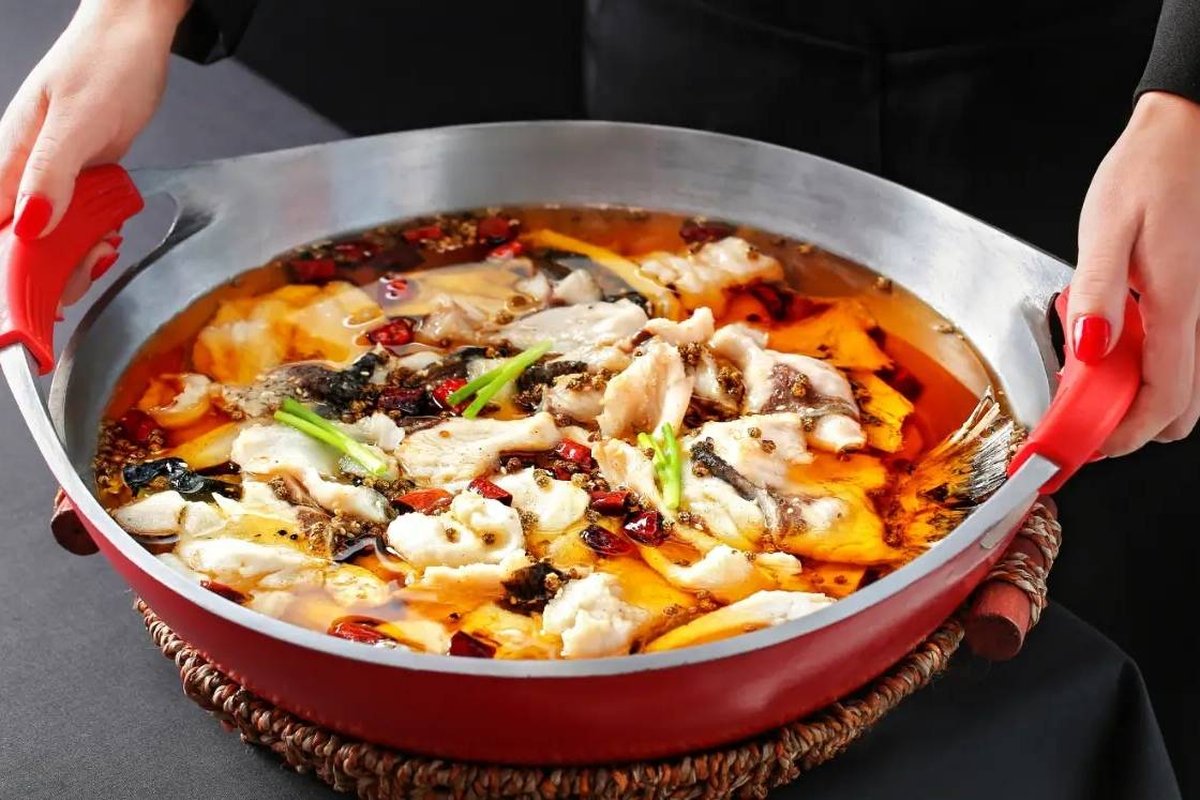
62 food stories — history, culture, and the people behind every dish.
From Sichuan's fiery woks to Cantonese dim sum steamers — 62 dishes and counting across China's great culinary traditions, each with a story. Because here, food isn't fuel. It's geography, history, and family on a plate.
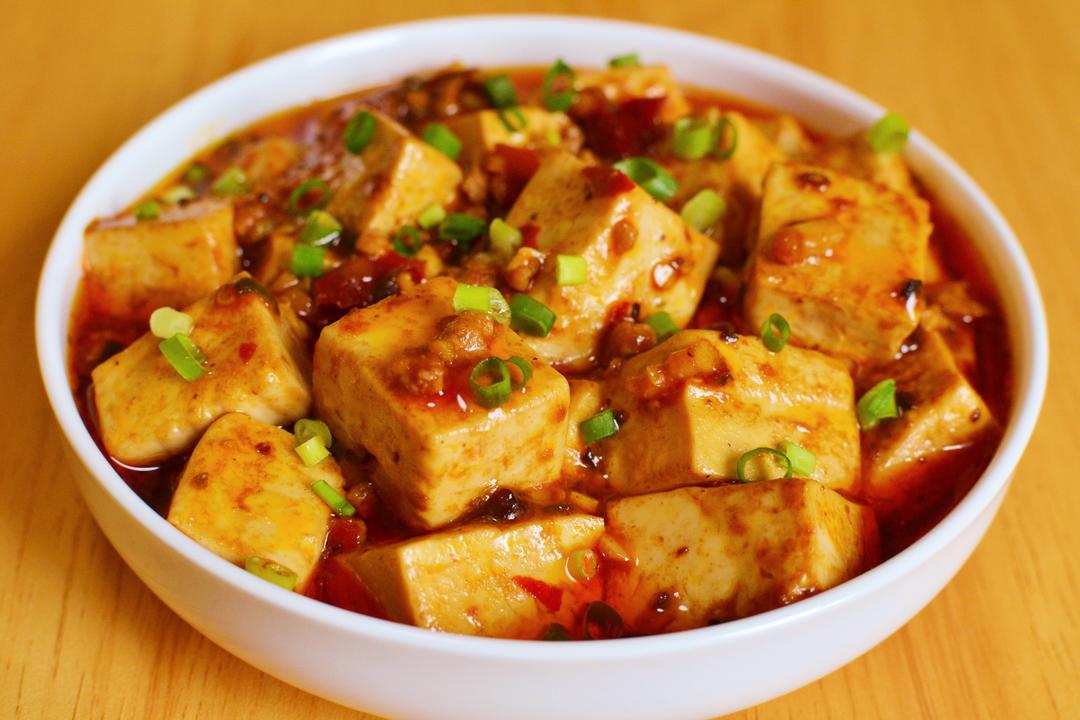
We're chasing the most authentic version of every dish — the way locals eat it in its hometown. But "authentic" isn't a single recipe. Mapo tofu in Sichuan and Guangxi are cousins, not clones. Chinese food is a living conversation between regions, cooks, and generations. Love the version on your plate? It's the right one.
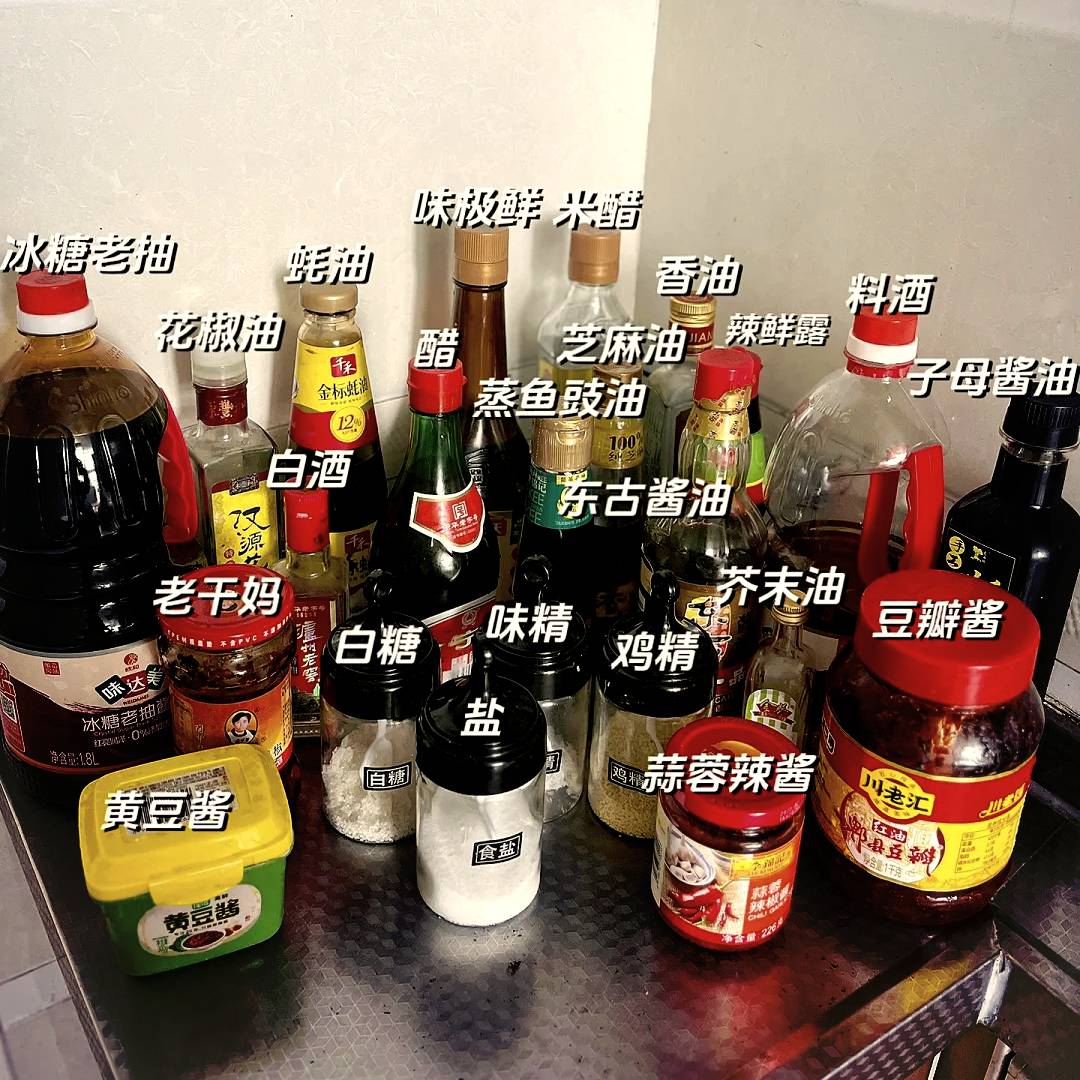
Chinese supermarkets have hundreds of sauces and spices — but you only need 11 to cook 80% of home-style Chinese food. Here's what to buy, what to skip, and why your kitchen already has half of them.
Carbon steel vs cast iron, flat bottom vs round, seasoning without the rituals — everything you need to know about buying and maintaining the only pan that matters in a Chinese kitchen.
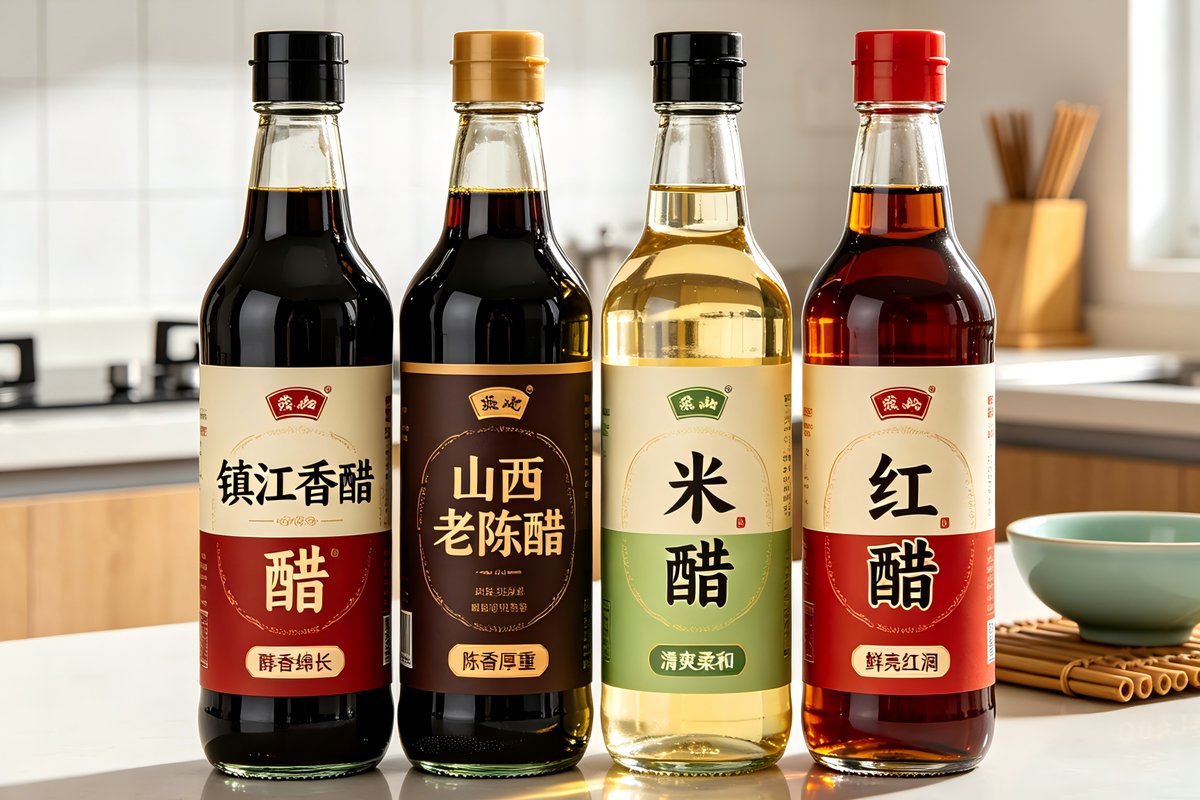
Chinkiang black vinegar, Shanxi aged, rice, red — the four Chinese vinegars that do entirely different jobs, and why one bottle handles eighty percent of everything.
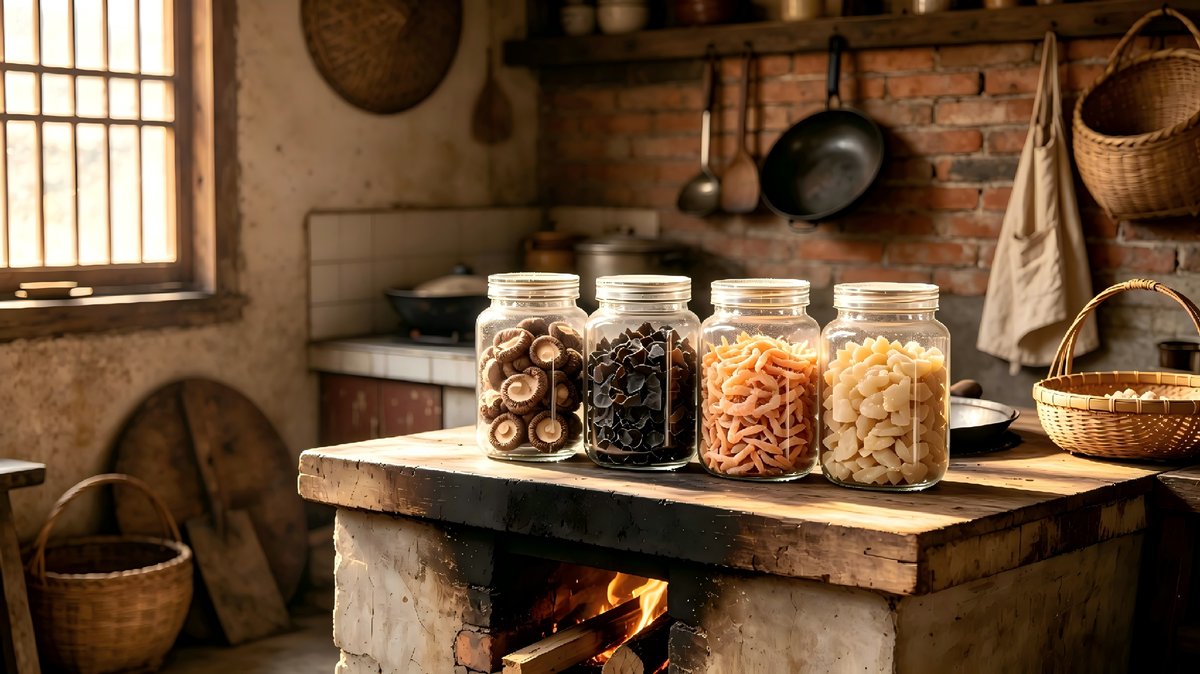
Dried shiitake, wood ear, dried shrimp, dried scallops — the four Chinese dried goods that turn water into umami, and why one bag of dried mushrooms earns its shelf space forever.
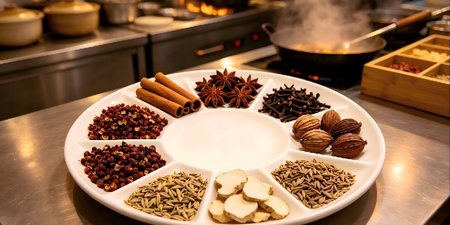
Sichuan peppercorn, star anise, cassia, cloves, tsaoko, and more — the eight spices that power Chinese cooking, how to use them, and what you can safely ignore.
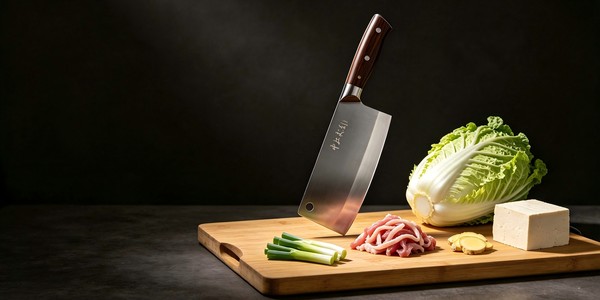
A Chinese cleaver isn't a bone axe — it's a thin slicing blade, a bench scraper, a garlic smasher, and the only knife a home kitchen really needs. Carbon steel vs stainless, how to hold it, and what to buy.
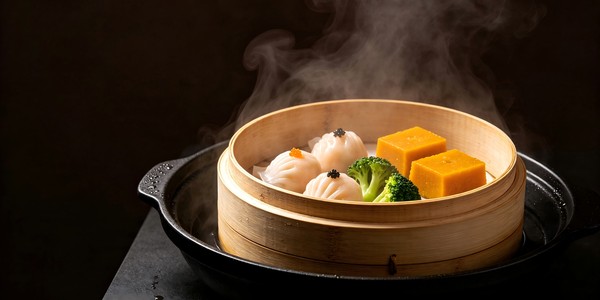
Bamboo or metal, stacked or single — the Chinese steamer is the most underrated tool in the kitchen. No oil, no stirring, no burning. Just water, heat, and whatever you put inside comes out tasting more like itself.
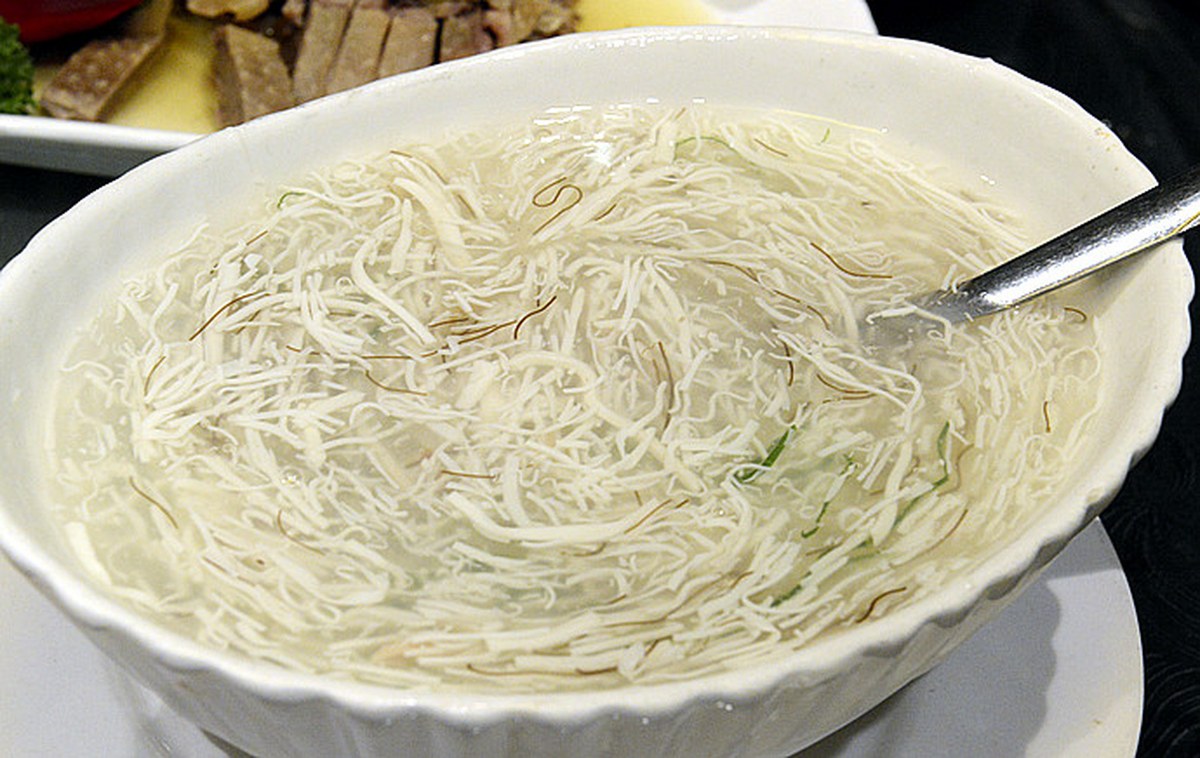
A block of silken tofu cut into thousands of hair-thin threads and floated in a broth so clear you can read the bowl through it. The quietest show of skill in Chinese cooking.
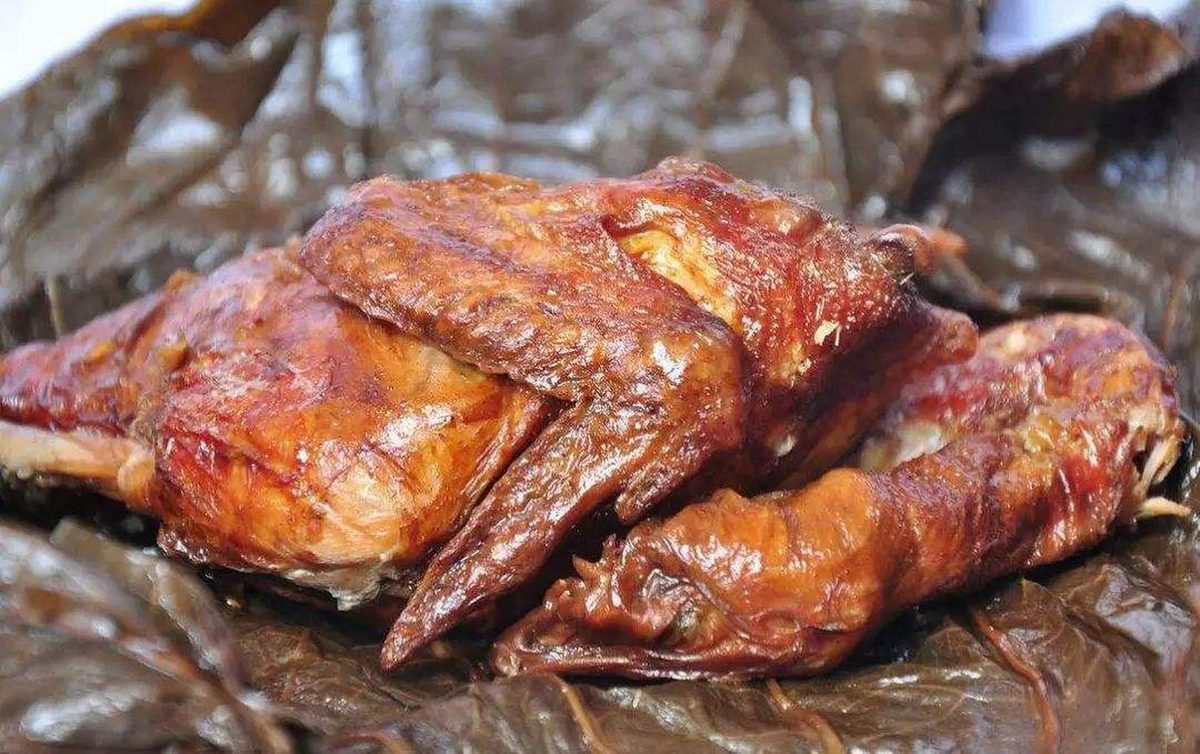
A whole chicken wrapped in lotus leaves, sealed inside river clay, baked for hours, then cracked open with a mallet at the table. The smell arrives before the meat does.
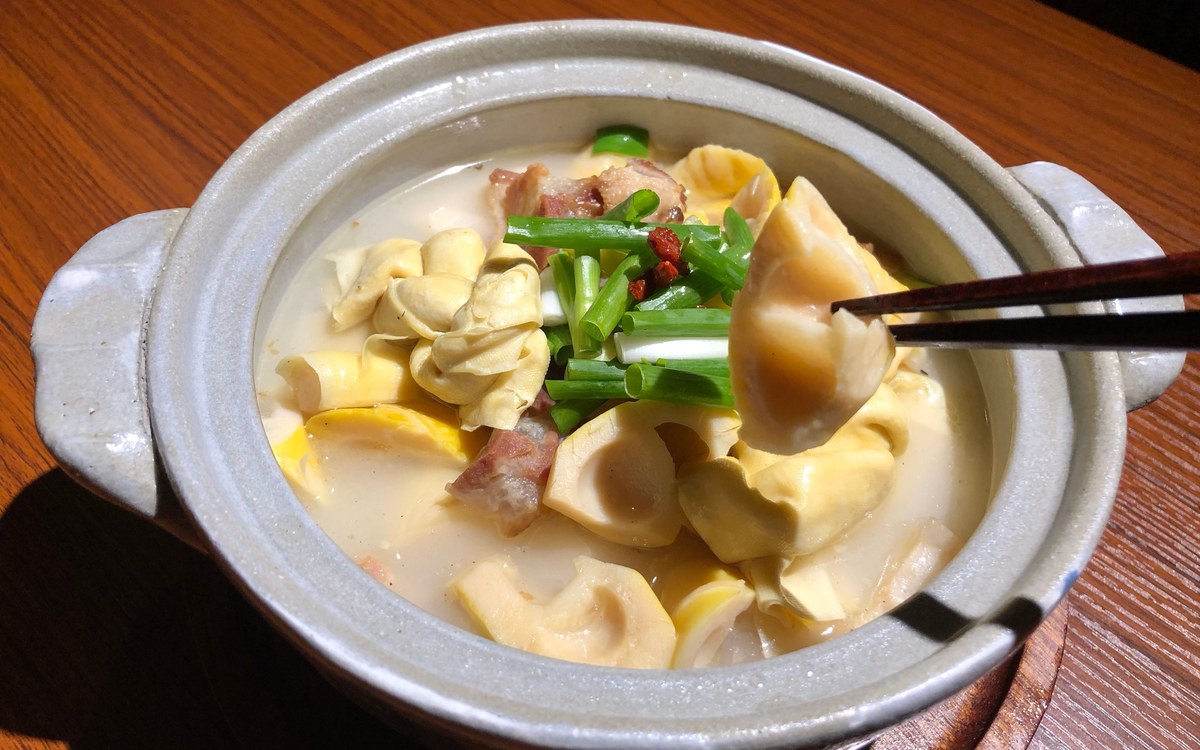
Salt pork, fresh pork and spring bamboo shoots simmering so quietly the pot only says duk — a broth the color of weak tea that tastes like the first warm week of March.
A jar of dark amber liquid with crabs half-submerged in it, rice wine and star anise coming off the lid — a mitten crab cured for nine days, its flesh turned firm and translucent, its roe dense as cured yolk.
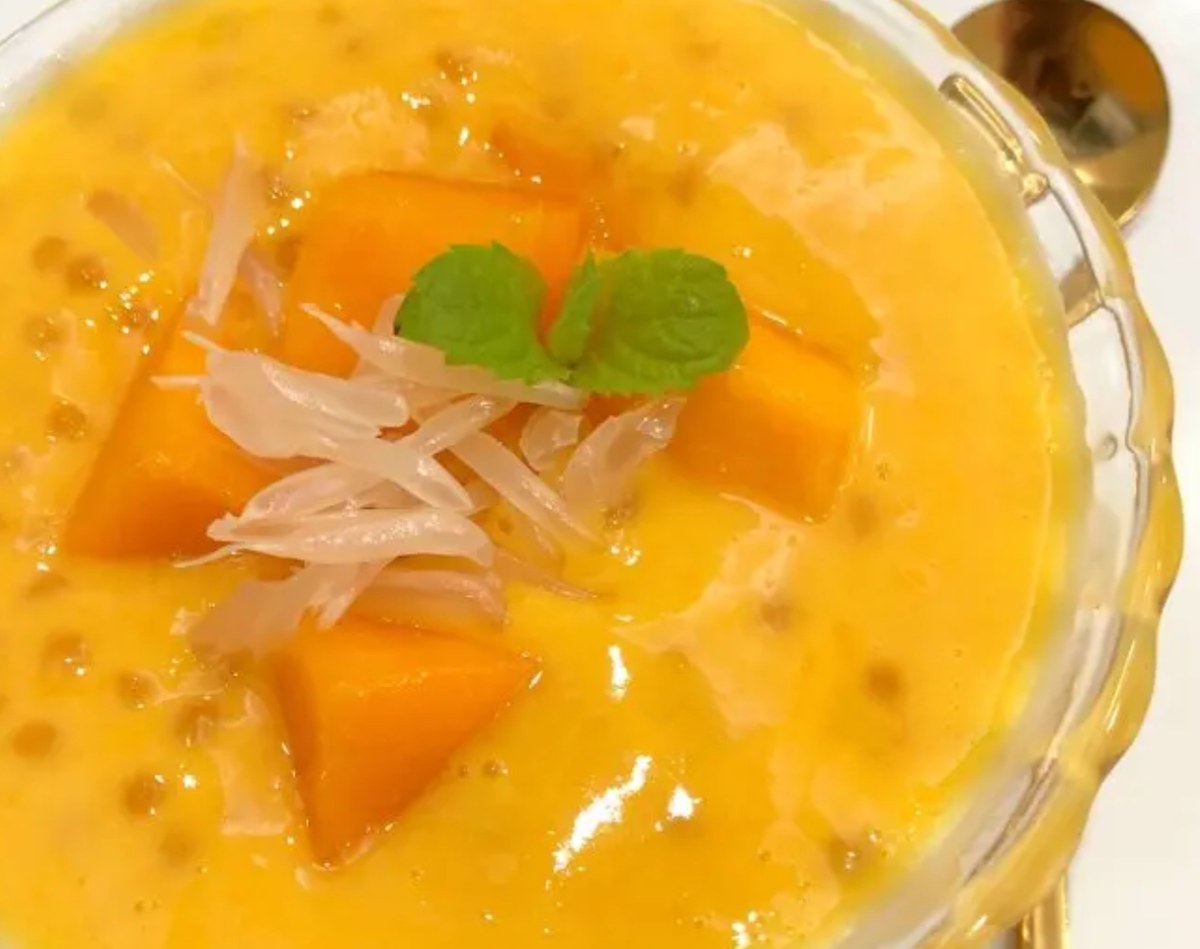
A cold bowl of pale gold, silky mango cream, springy sago pearls, and pomelo that pops sweet before it turns bitter — Hong Kong's dessert is four ingredients and only forty years old.
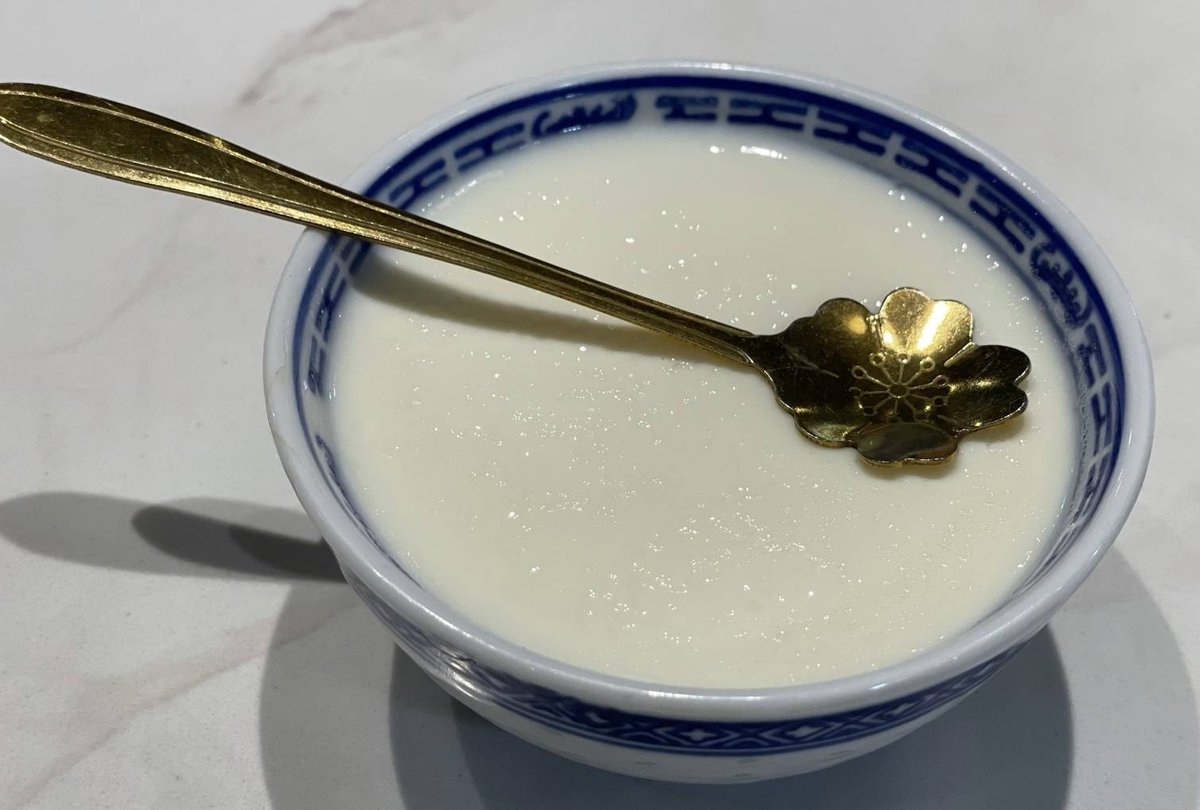
Three ingredients, no gelatin, and a surface that wrinkles under your spoon — the Cantonese dessert that sets with a skin on top and another one hiding at the bottom of the bowl.
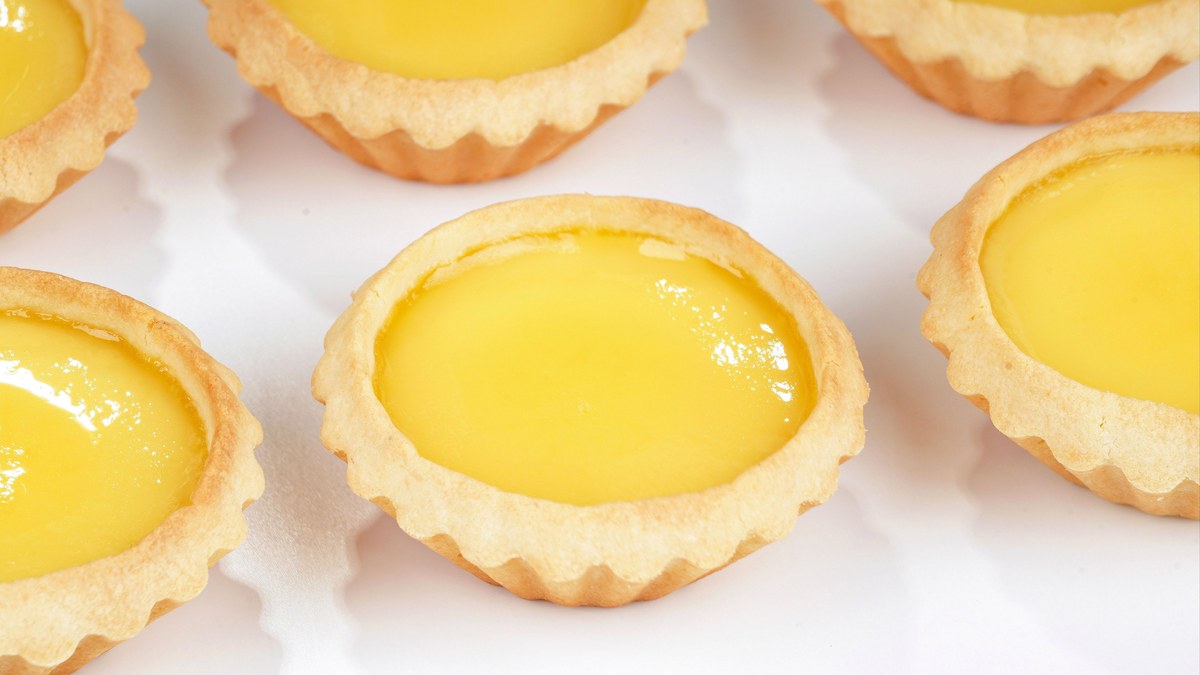
Butter and caramelised sugar, then the swing door at the back of the cha chaan teng bangs open and the tray comes through — egg tarts arrive on their own schedule, and you are either sitting when the wave lands or watching an empty rack.
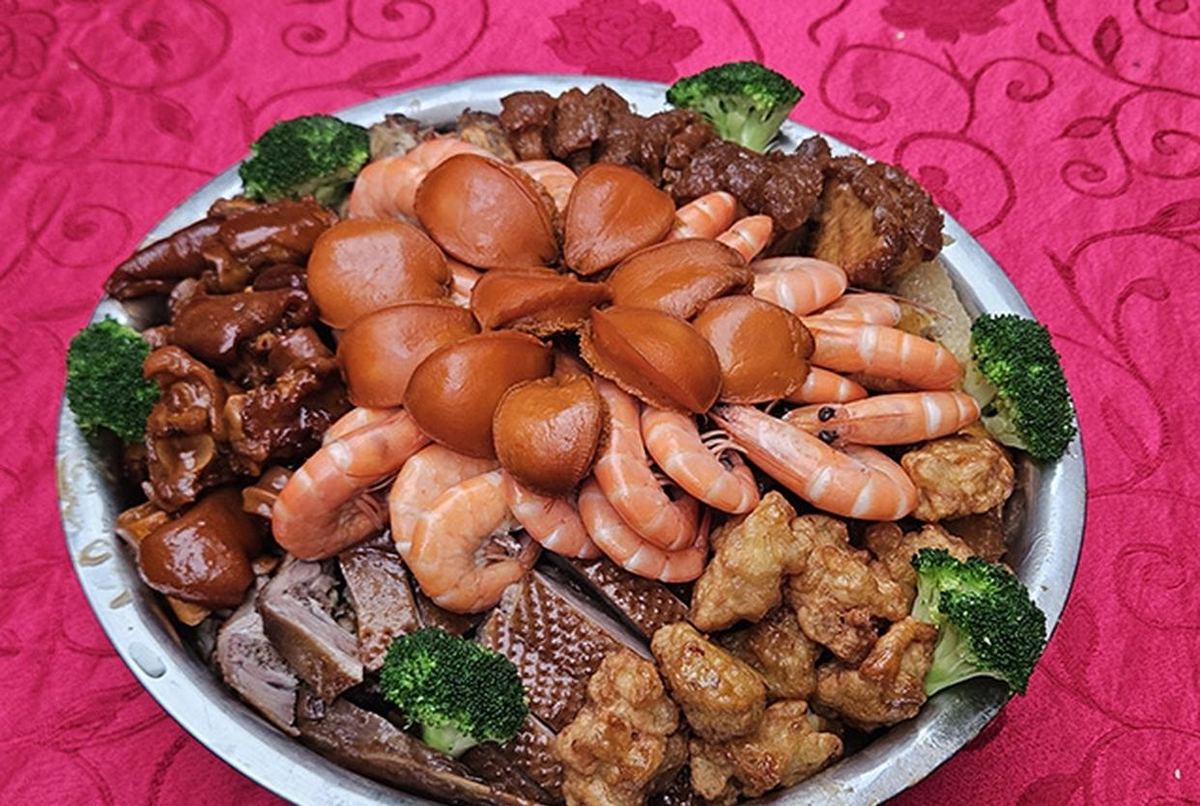
A stainless steel basin the size of a bicycle wheel lands on a gas ring — radish and nam yu pork belly underneath, braised abalone on top, and one rule: you eat it from the top down.
A whole chicken is rubbed with sand ginger, wrapped in coarse paper and buried to its neck in a wok of hot salt — no water, no sauce, and a flavor that reaches the bone.
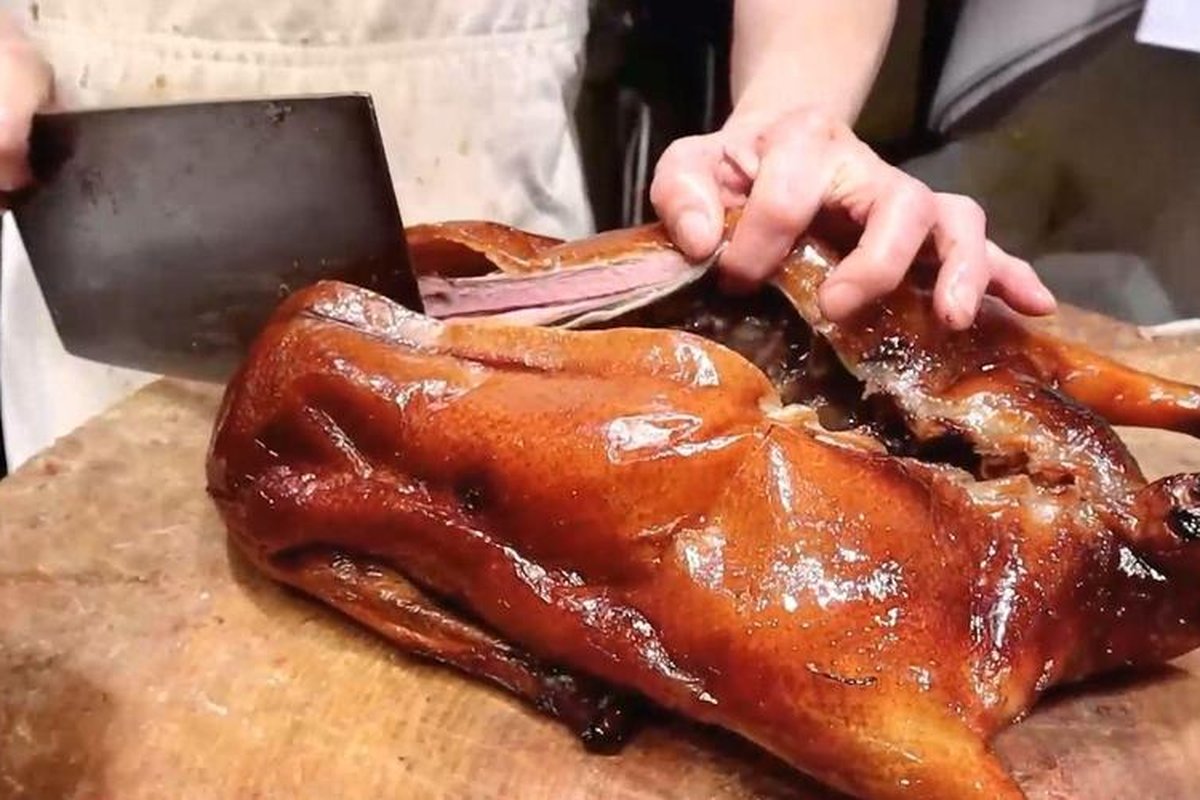
A goose comes out of the oven the color of lacquer, skin pulled tight over a layer of fat that bastes the meat from inside — and in Sham Tseng they chop it through the bone while it is still crackling.
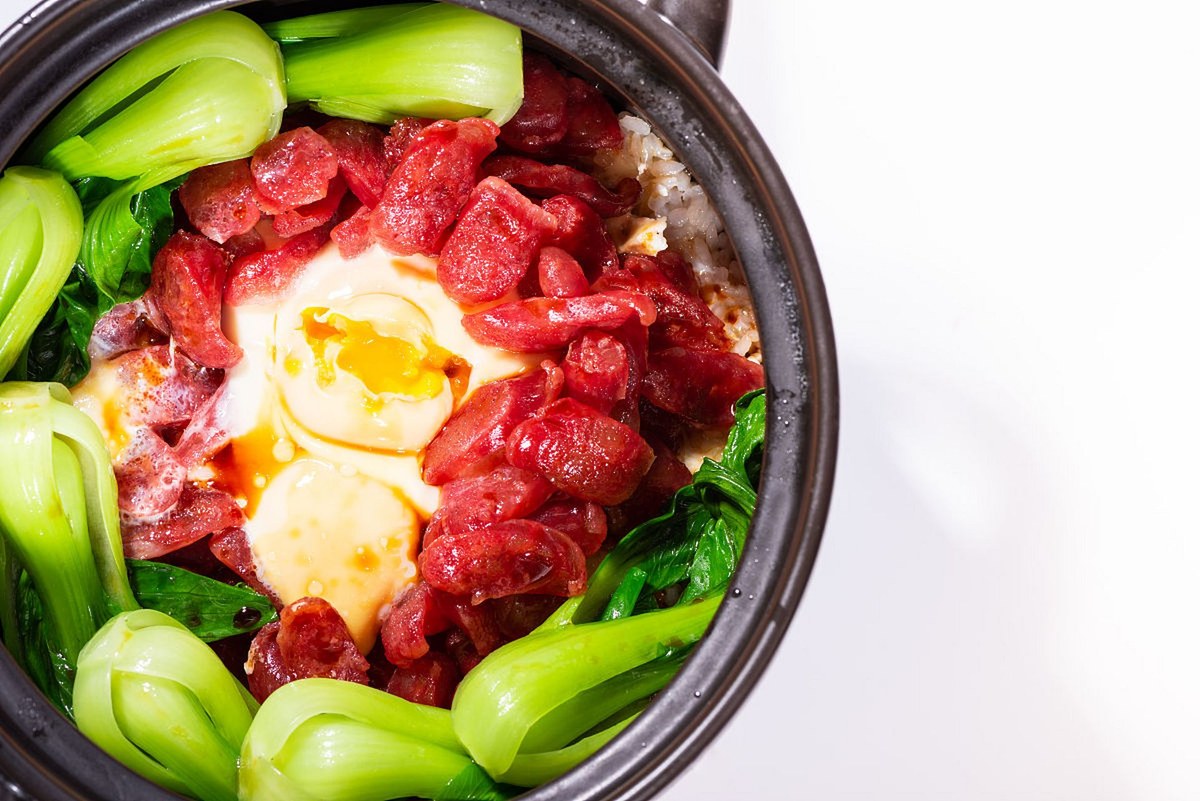
A squat clay pot lands on the table hissing, and the cook scrapes the bottom loose into a golden crust of toasted rice — in real Cantonese claypot rice, everything else is just an excuse to get there.
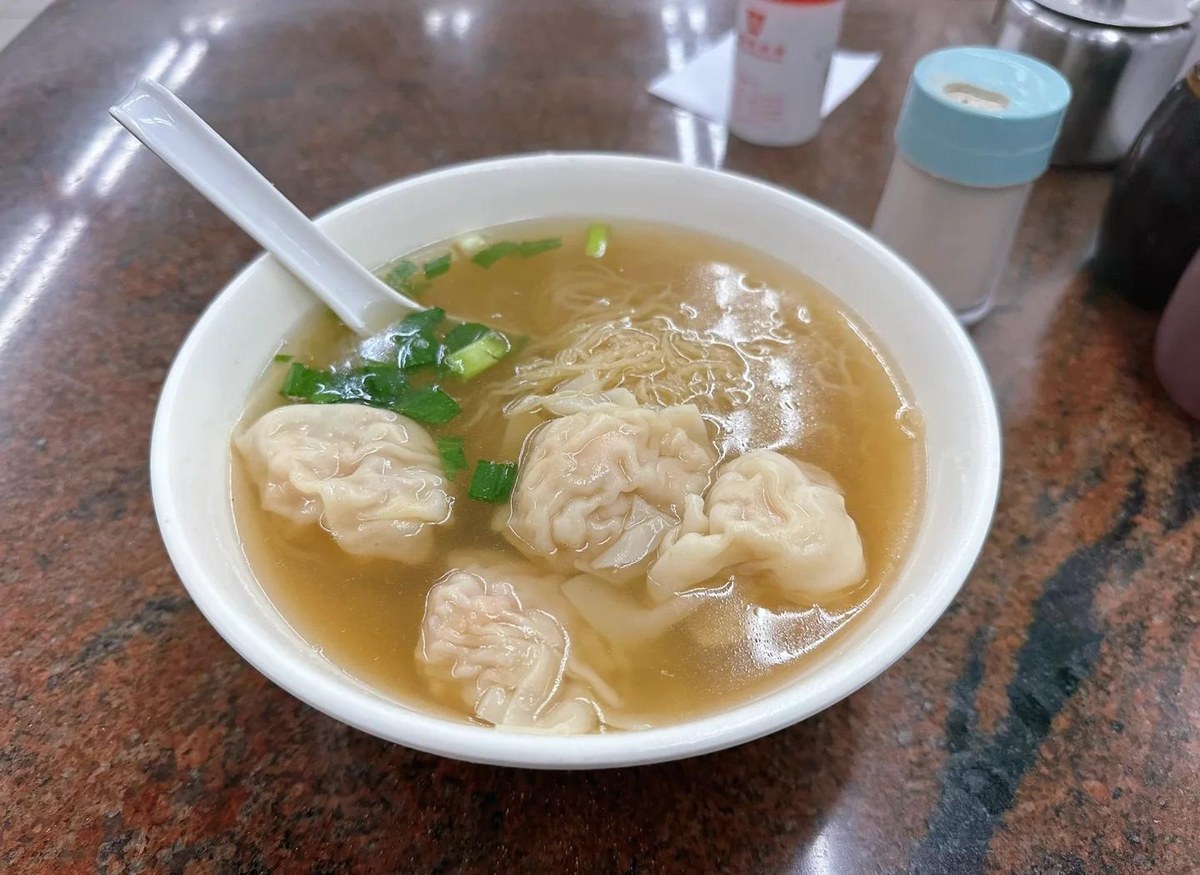
A nest of bamboo-pressed alkaline noodles sitting on a broth of dried flounder and shrimp roe, with the wontons hidden underneath — and two cities that will never agree on the ratio.
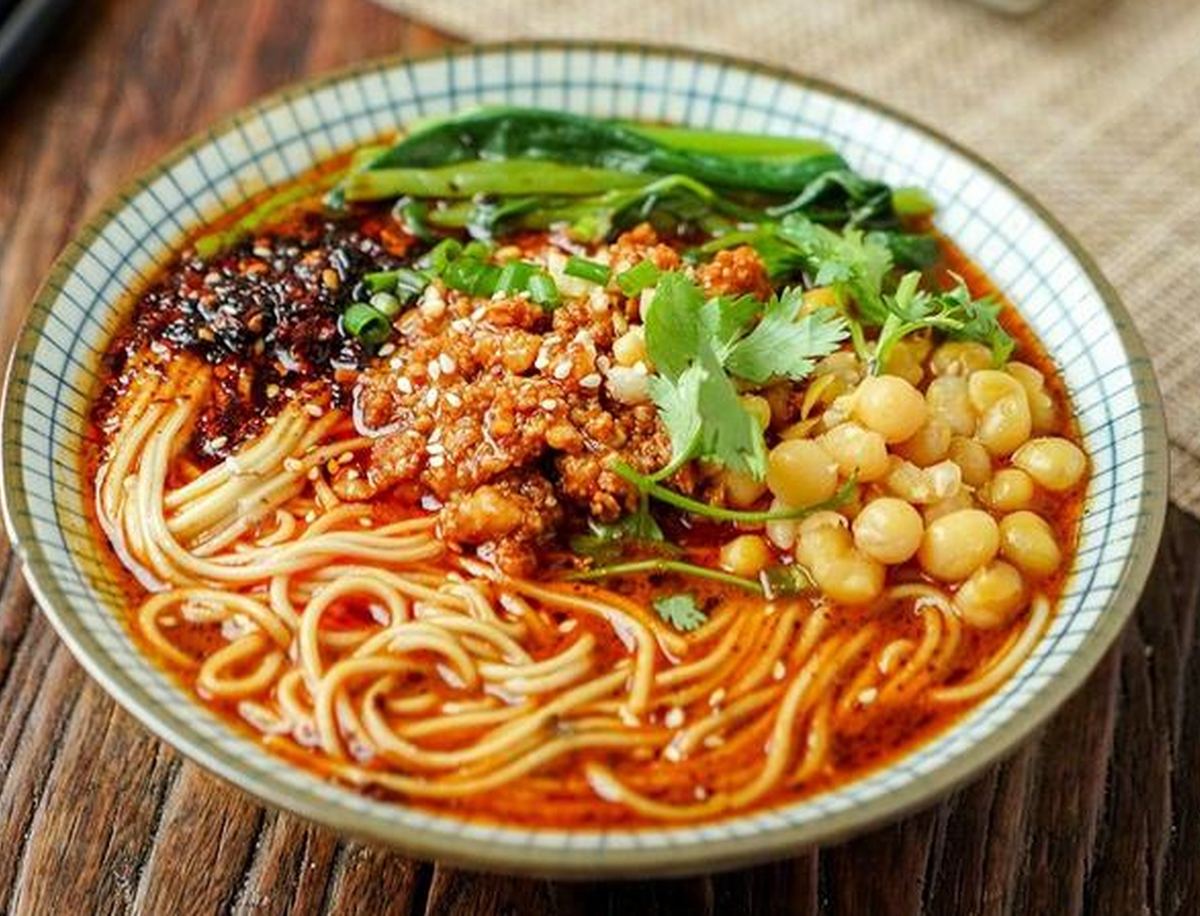
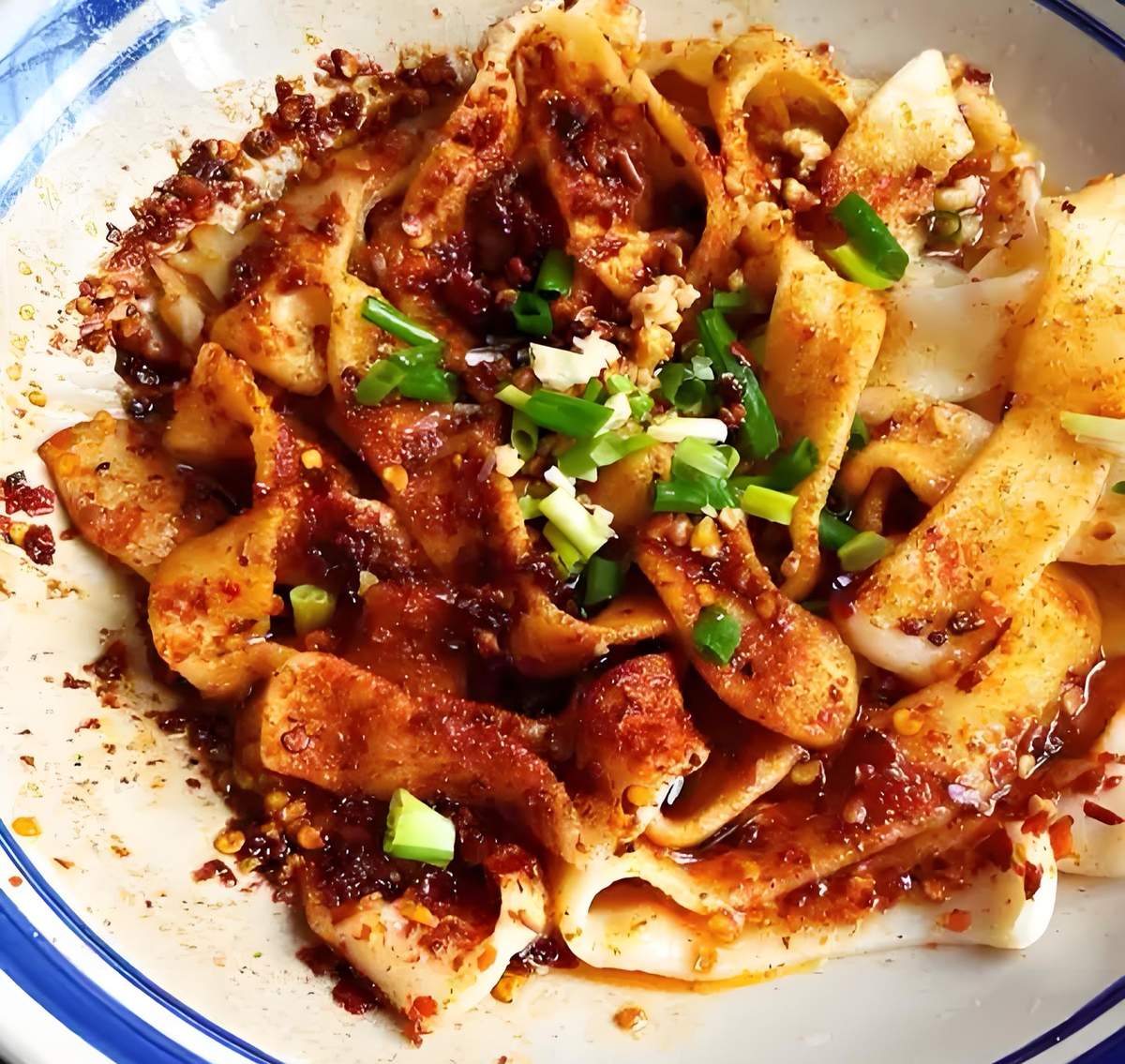
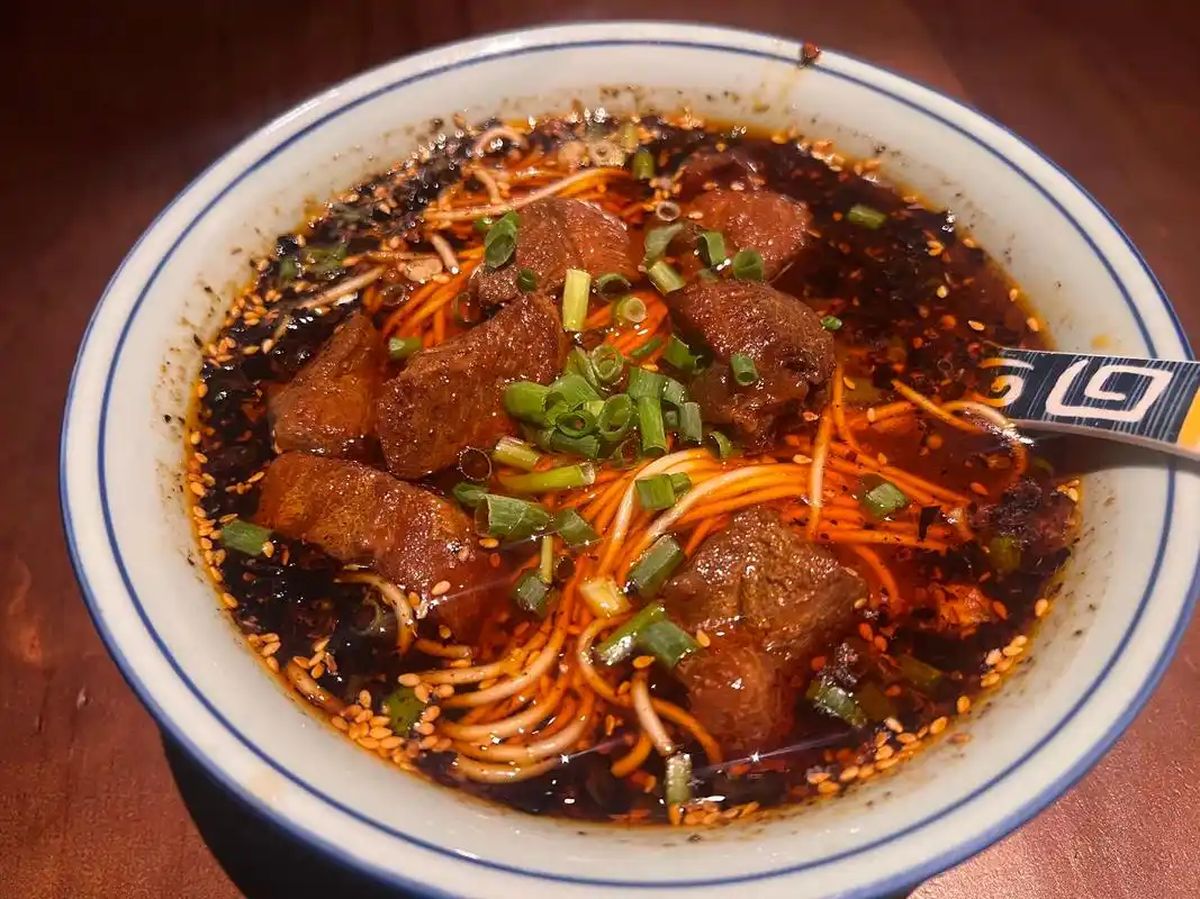
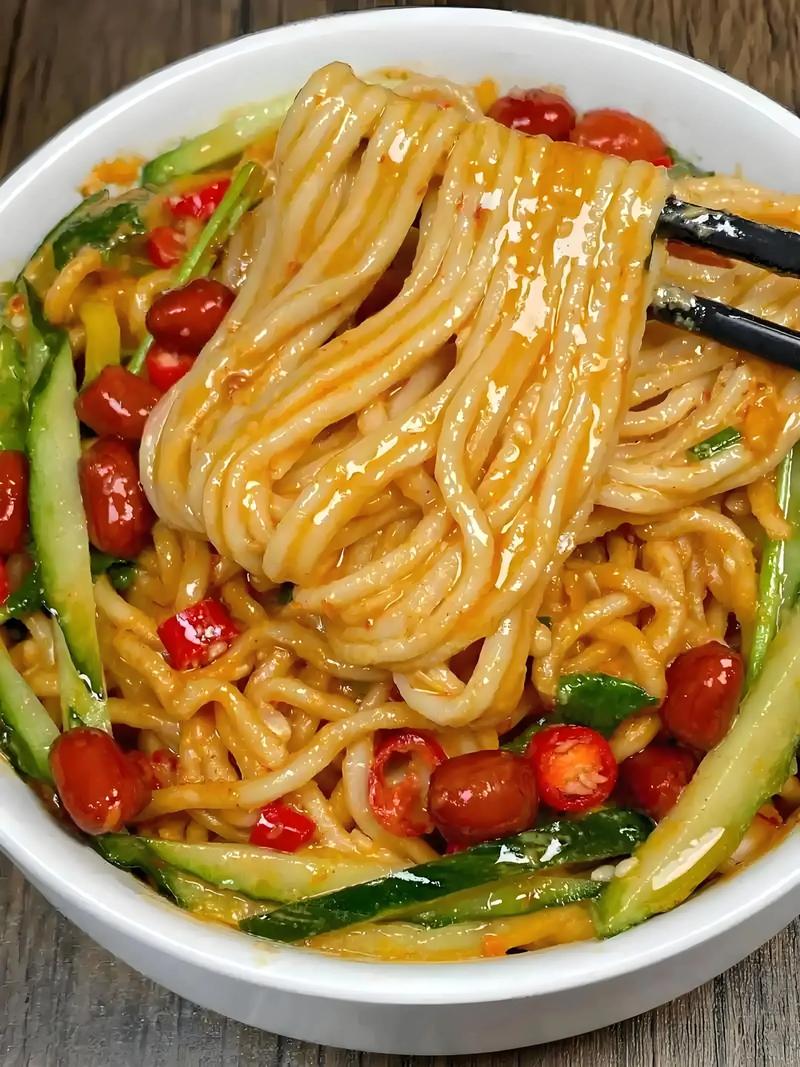
Thin alkaline noodles dragged through chili oil and ground Sichuan pepper, eaten at seven in the morning off a plastic stool on a Chongqing sidewalk — numbing, not just hot.
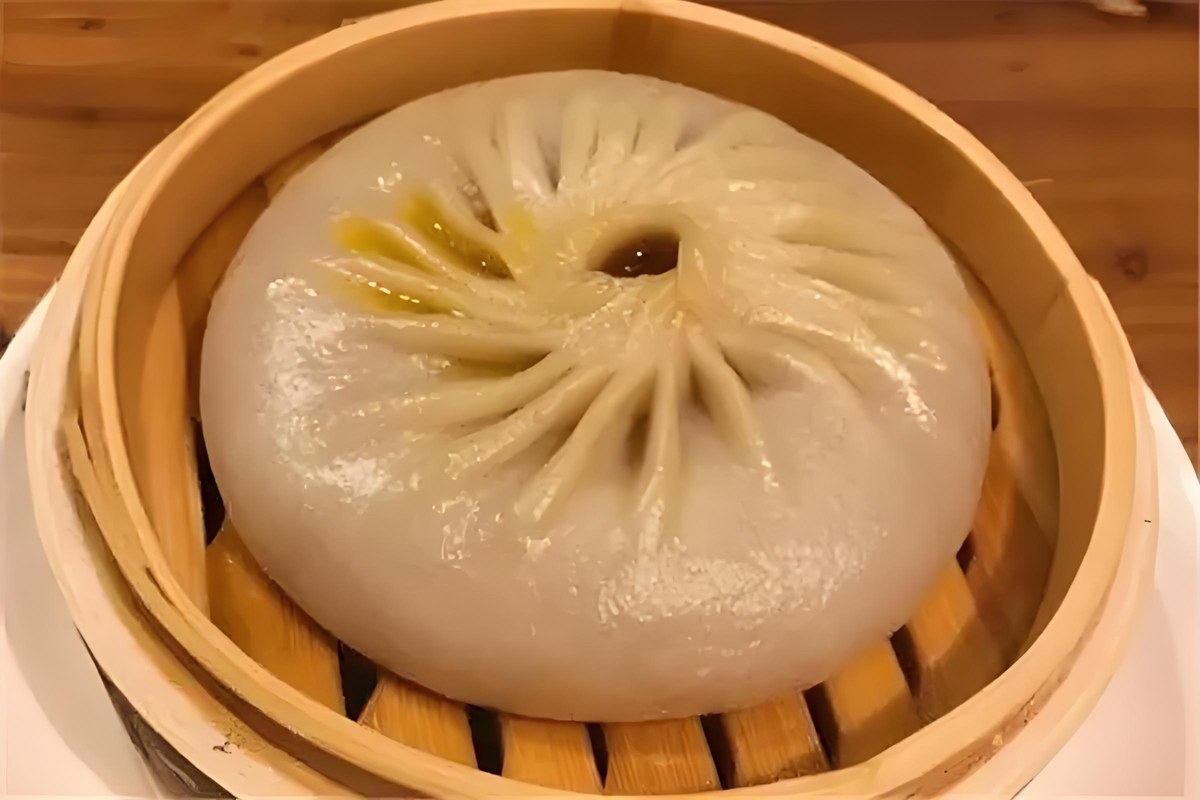
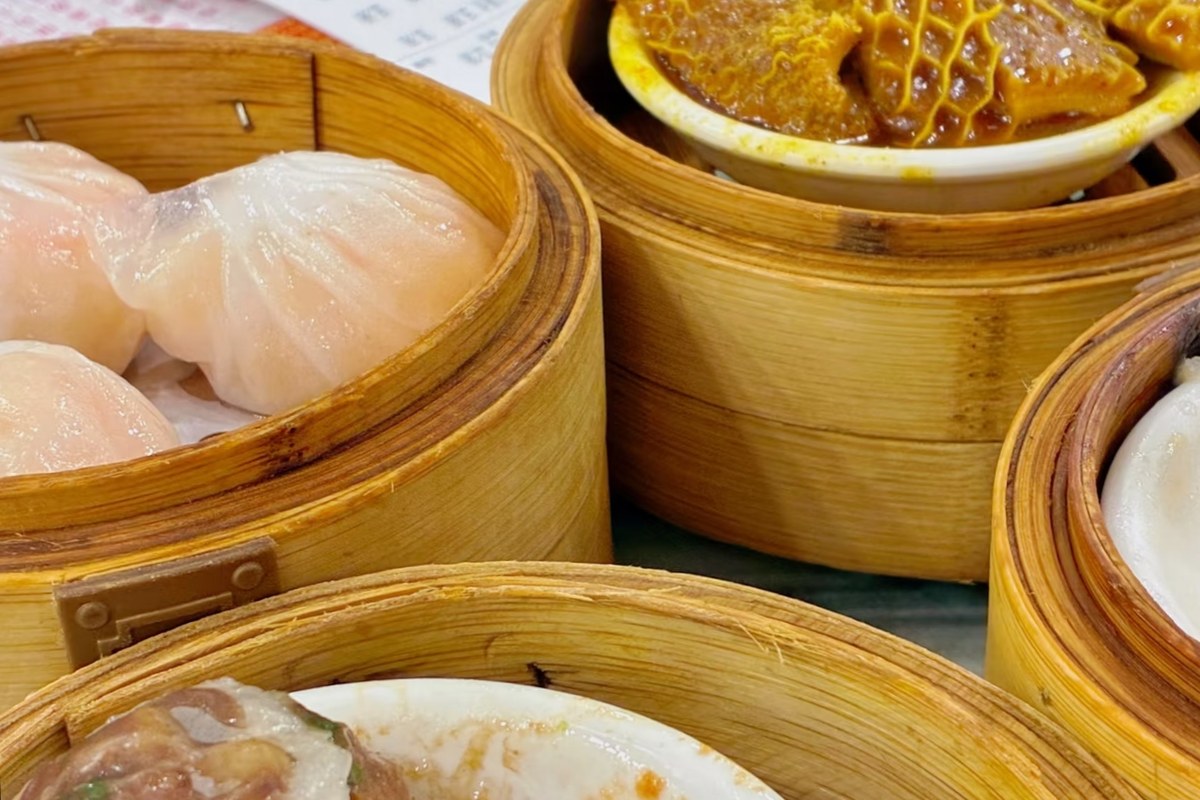
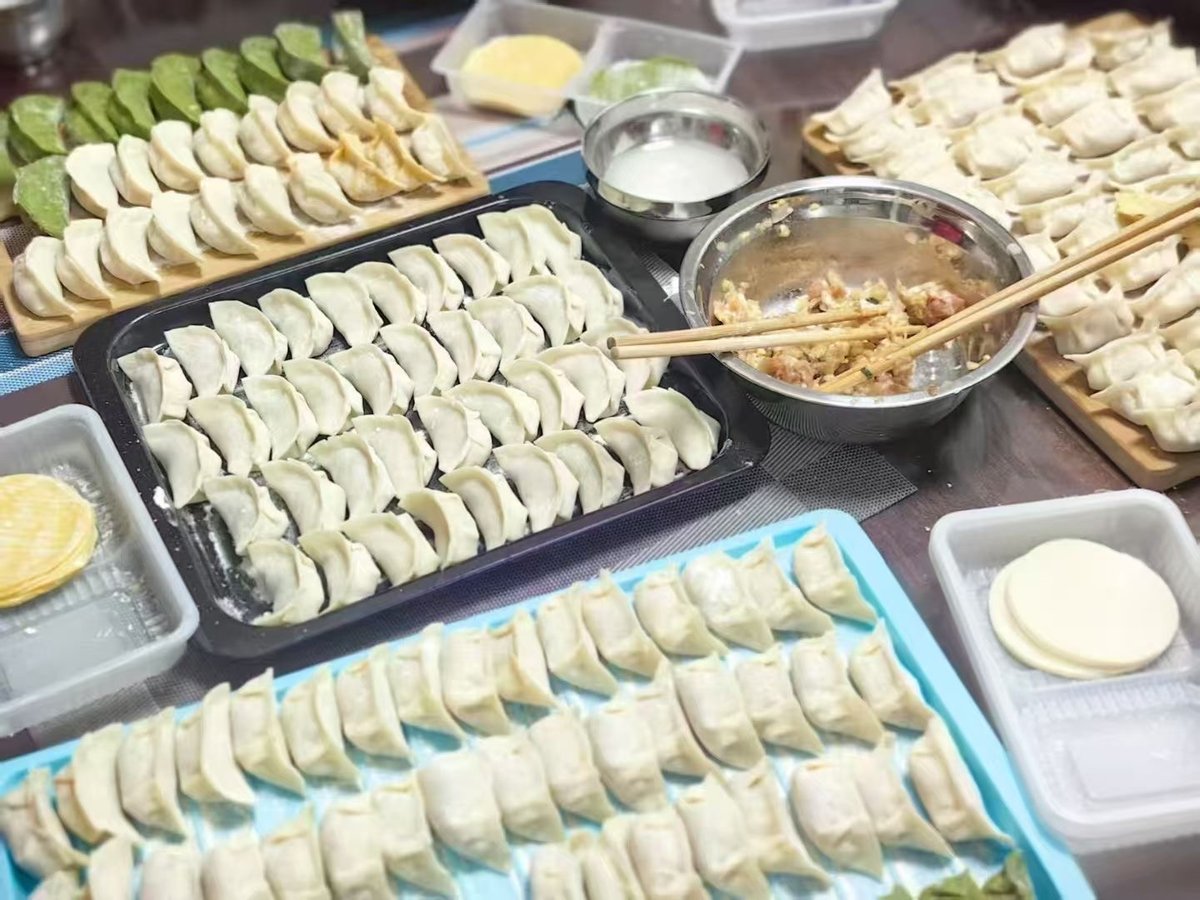
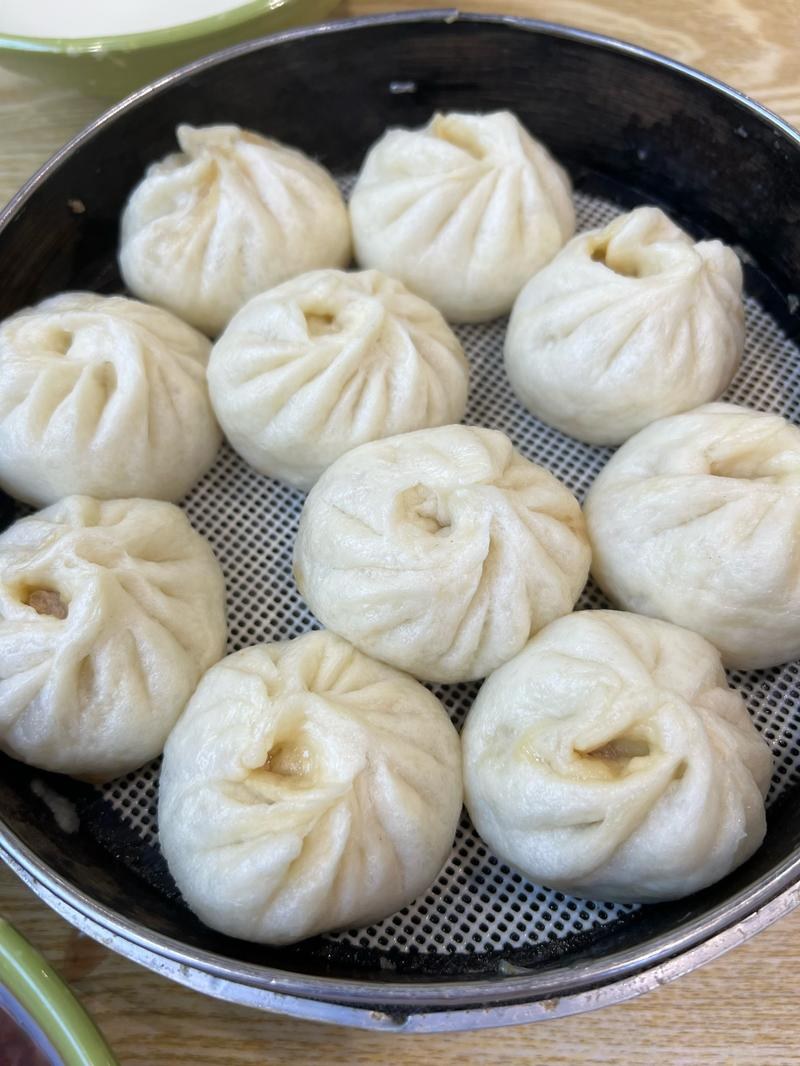
Steam hissing, carts clattering, tea pouring — dim sum isn't dumplings; it's a two-hour Cantonese morning built around a pot of tea and a rotating cast of small dishes.
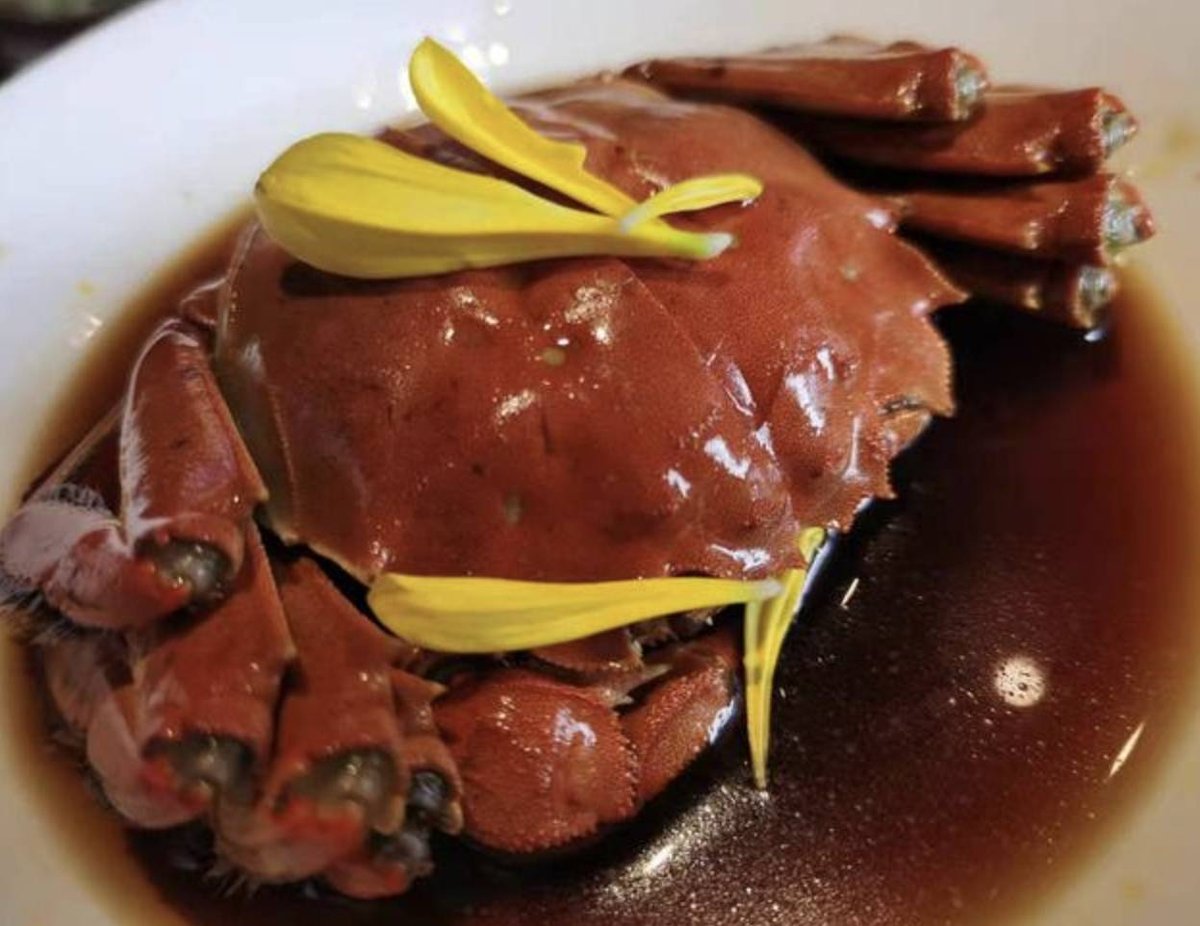
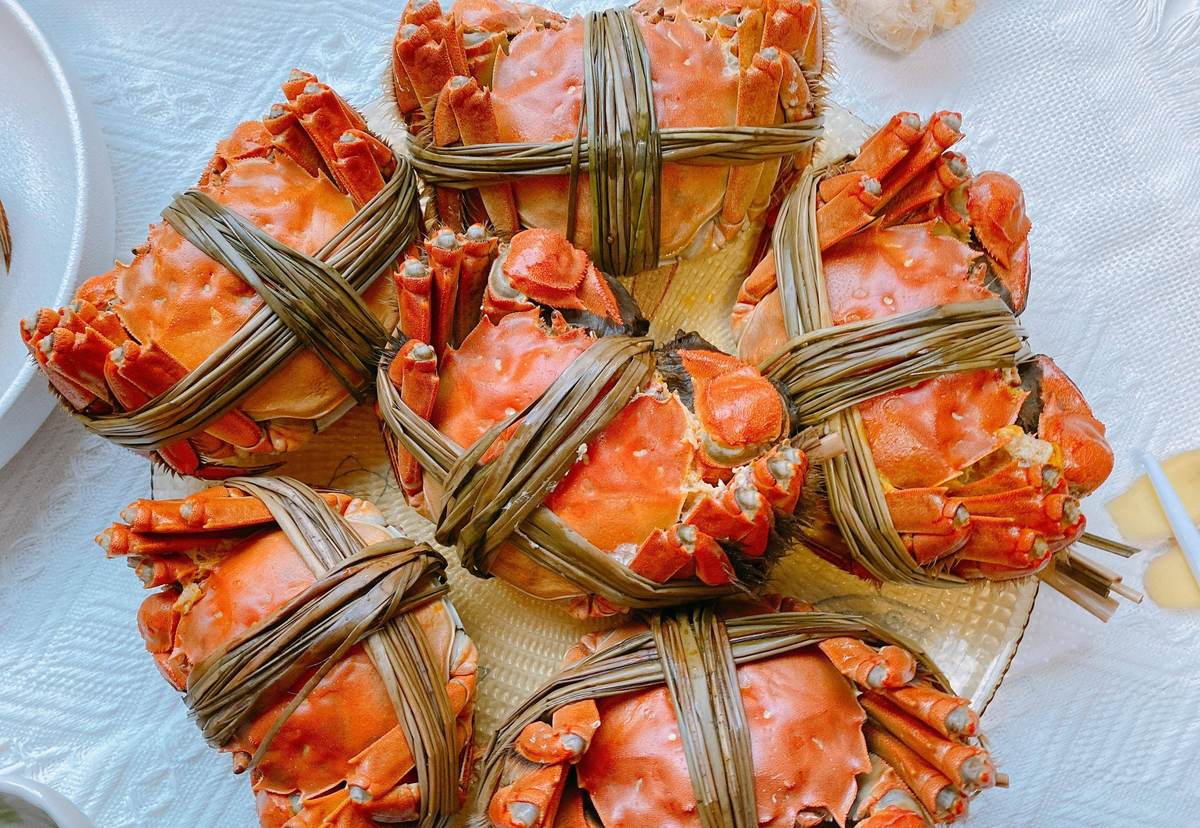
Shanghai's autumn ritual — a mud-colored river crab that turns lacquer-red in the steamer, the 'bathing crab' scam behind fake Yangcheng Lake crabs, and a grandmother's once-a-year eight crab tools.
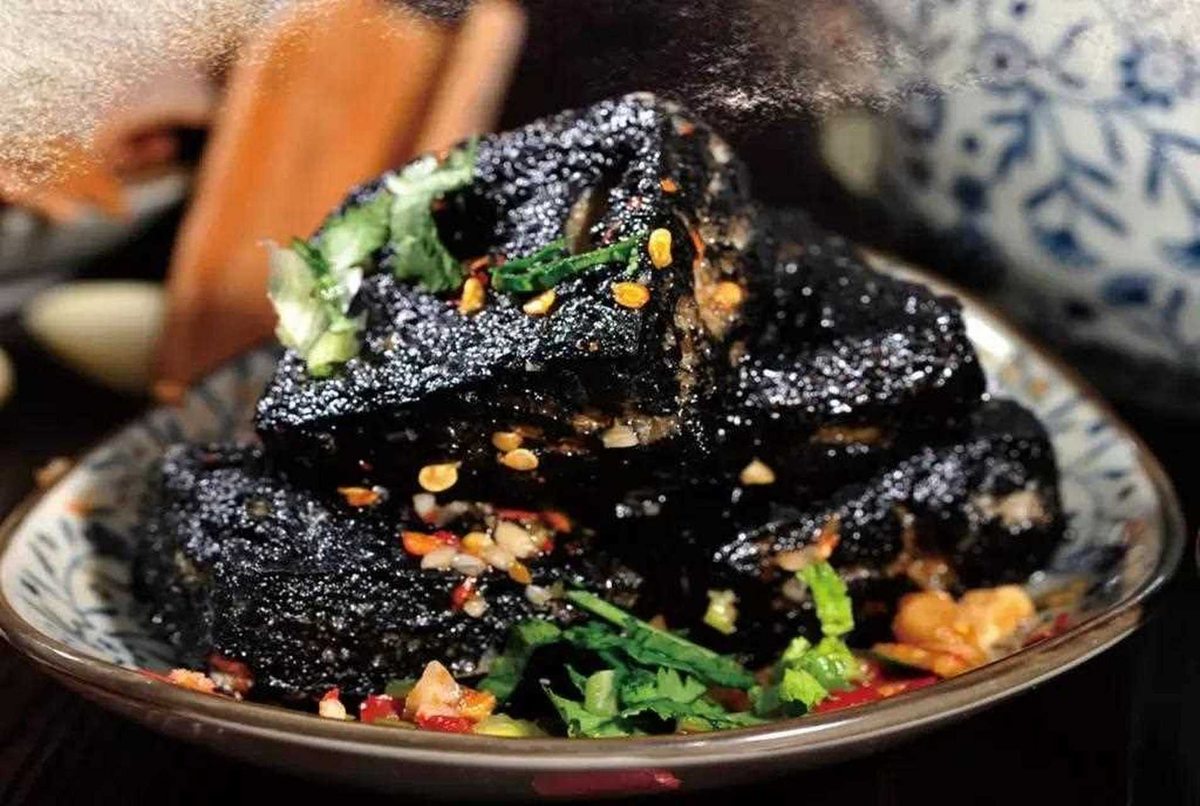
Black cubes of fermented tofu, fried until the shell shatters and the inside stays custardy — the Hunan street snack that smells like a warning and tastes like the city's best-kept secret.
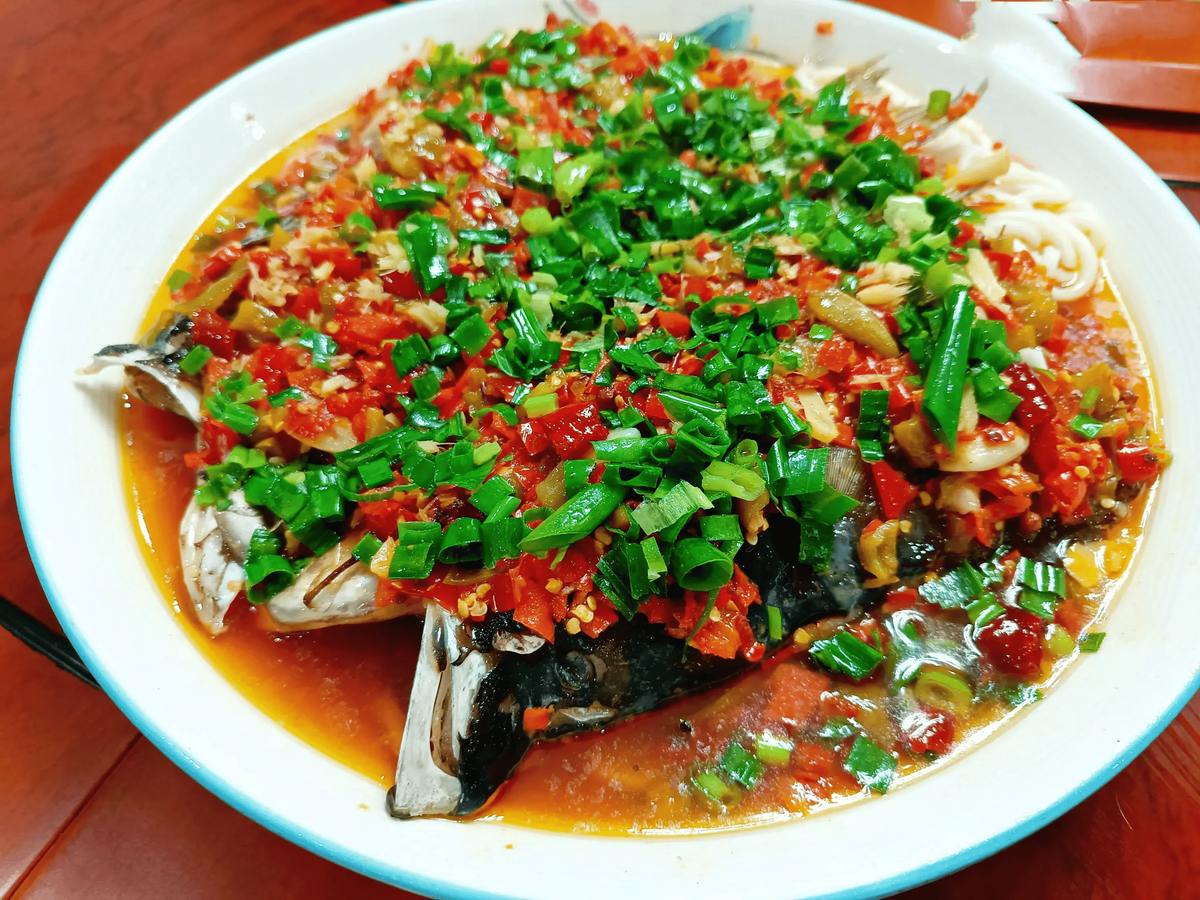
A whole bighead carp head, split open and steamed under a blanket of sour-hot chopped chili — the Hunan dish that teaches you the cheek, not the fillet, is the point.
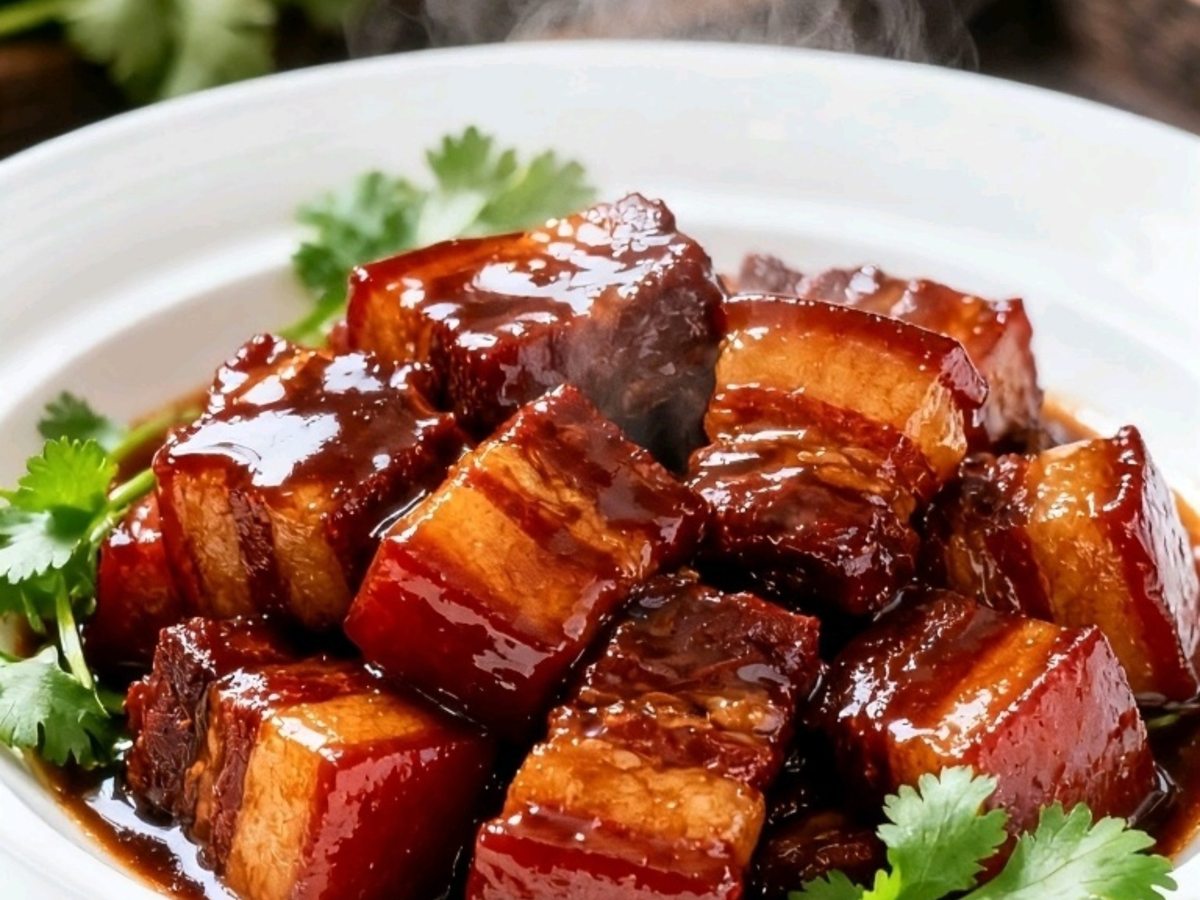
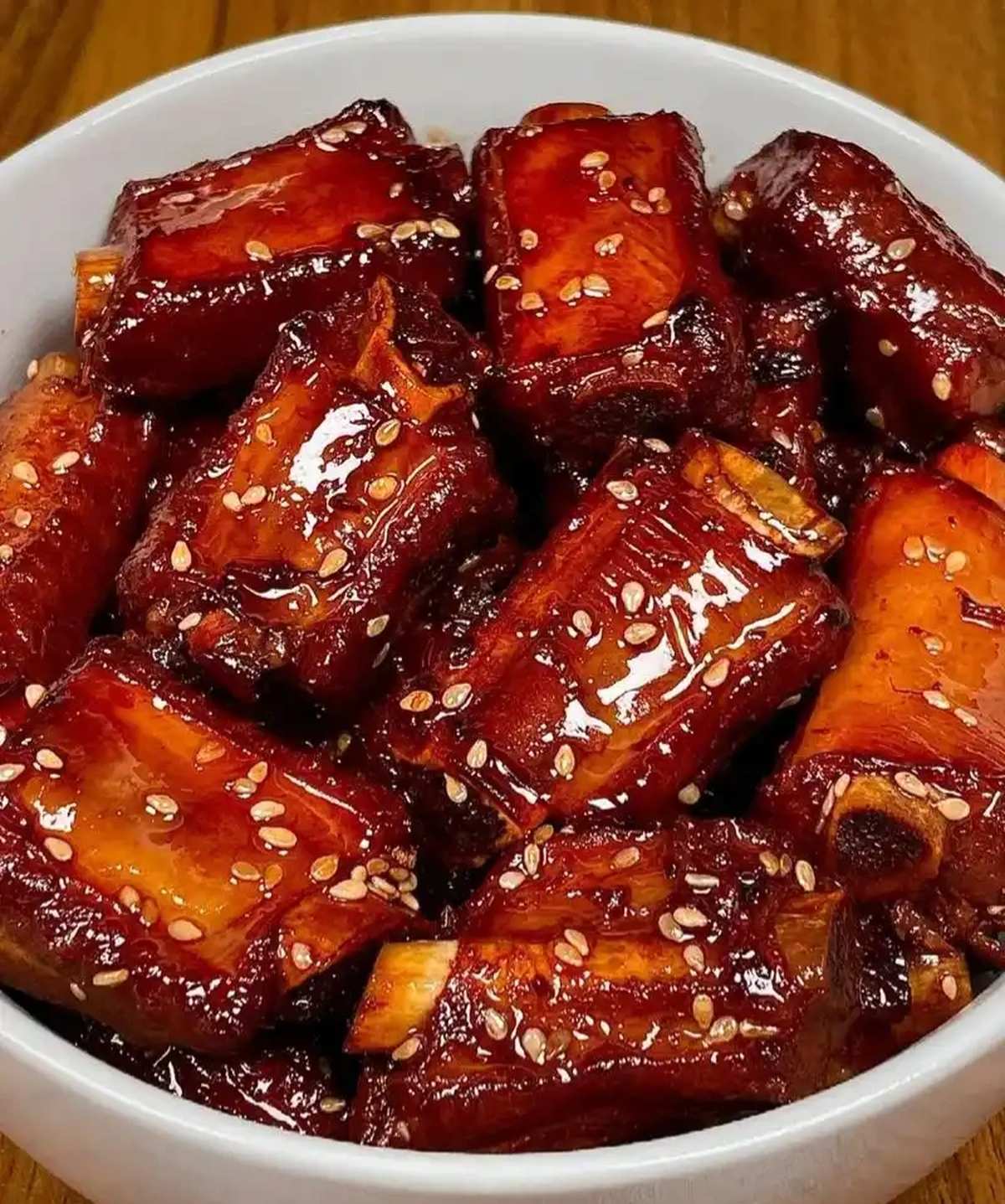
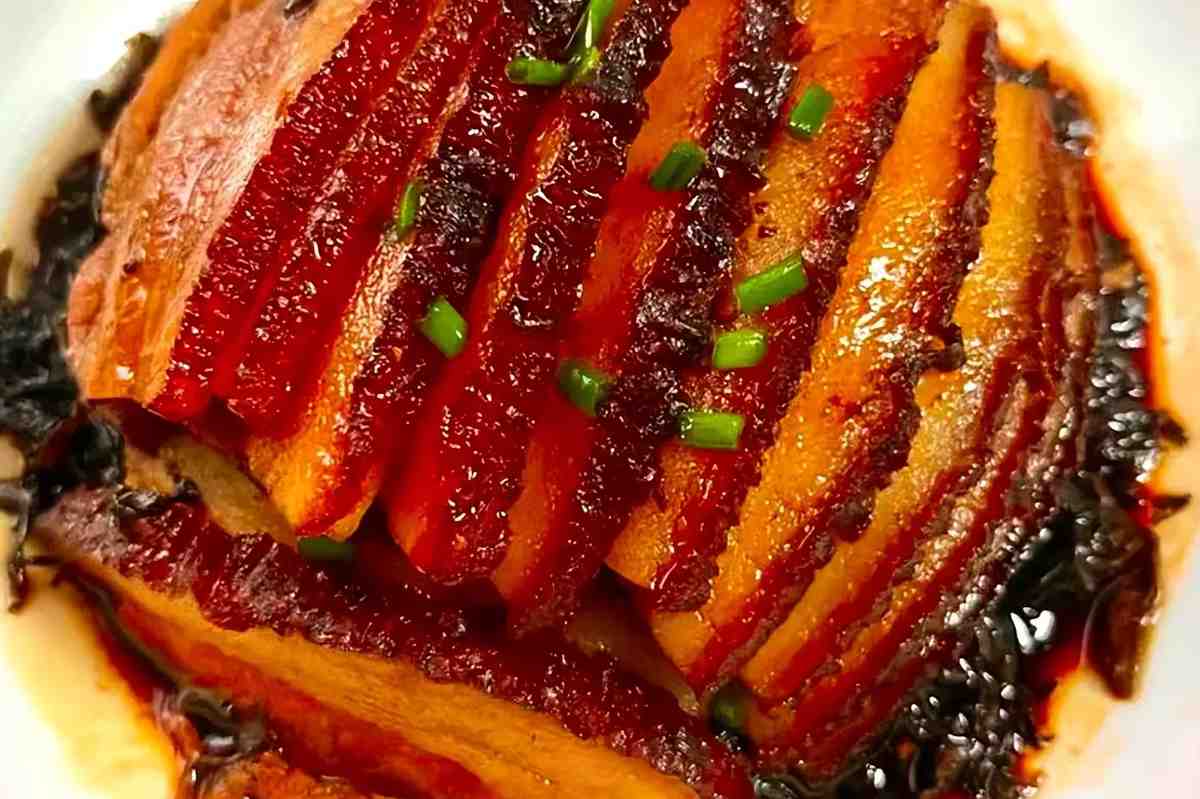
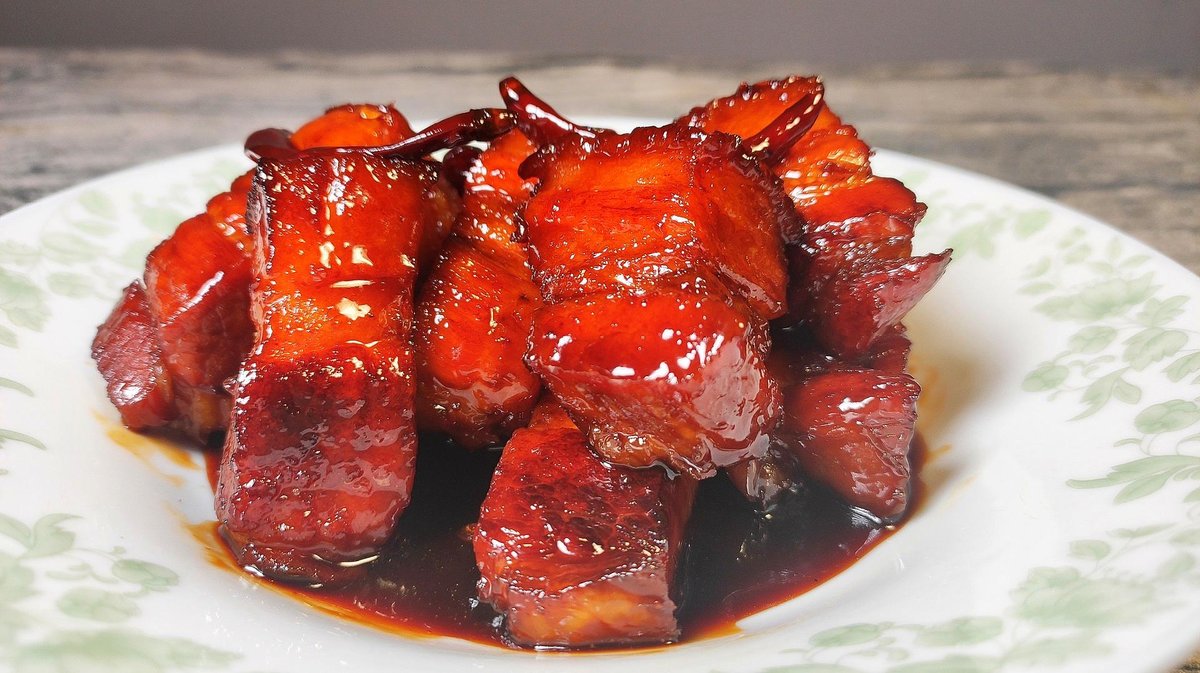
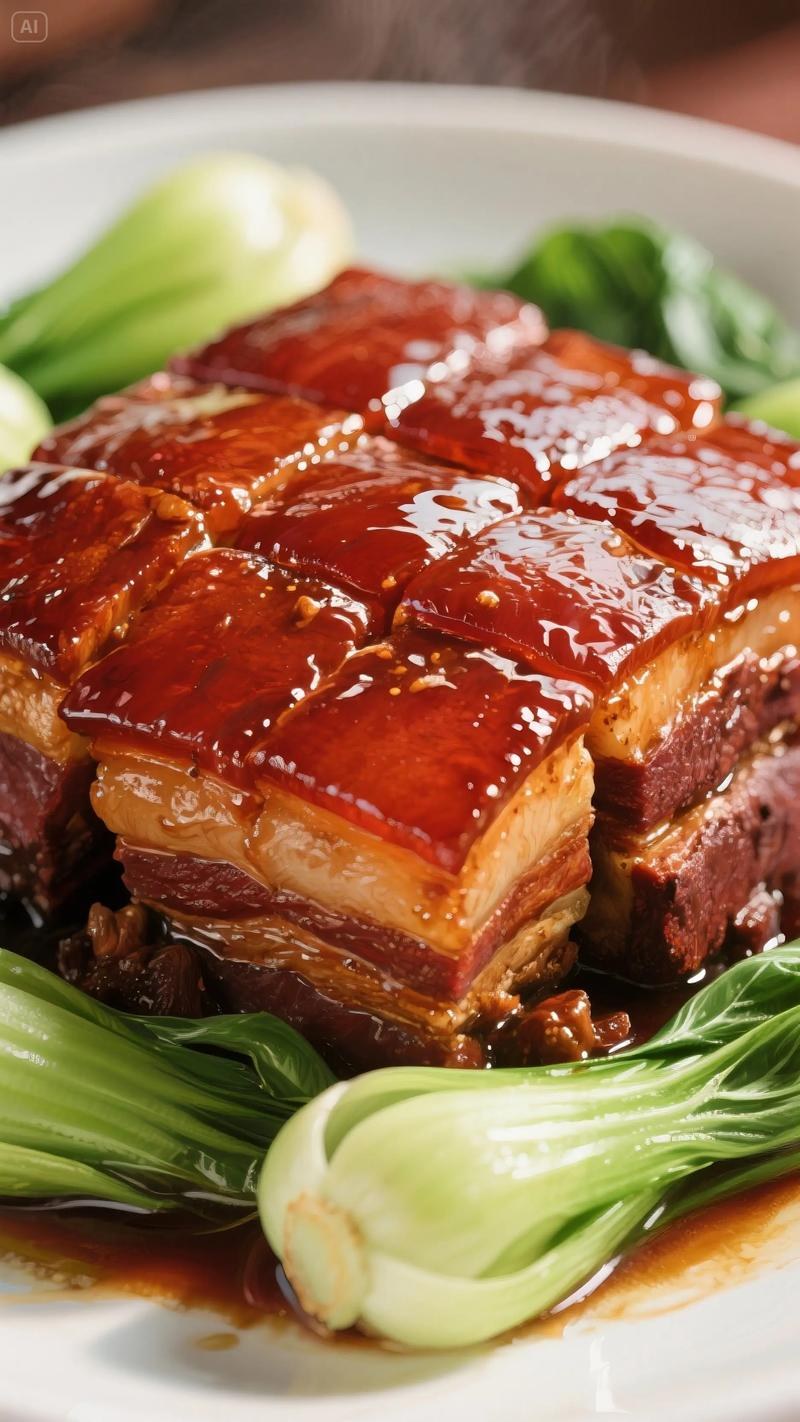
Pork belly braised until it trembles, colored deep red not by soy sauce but by caramelized sugar, then sharpened with Hunan chilies — the dish Mao's own chef built and refused to simplify.
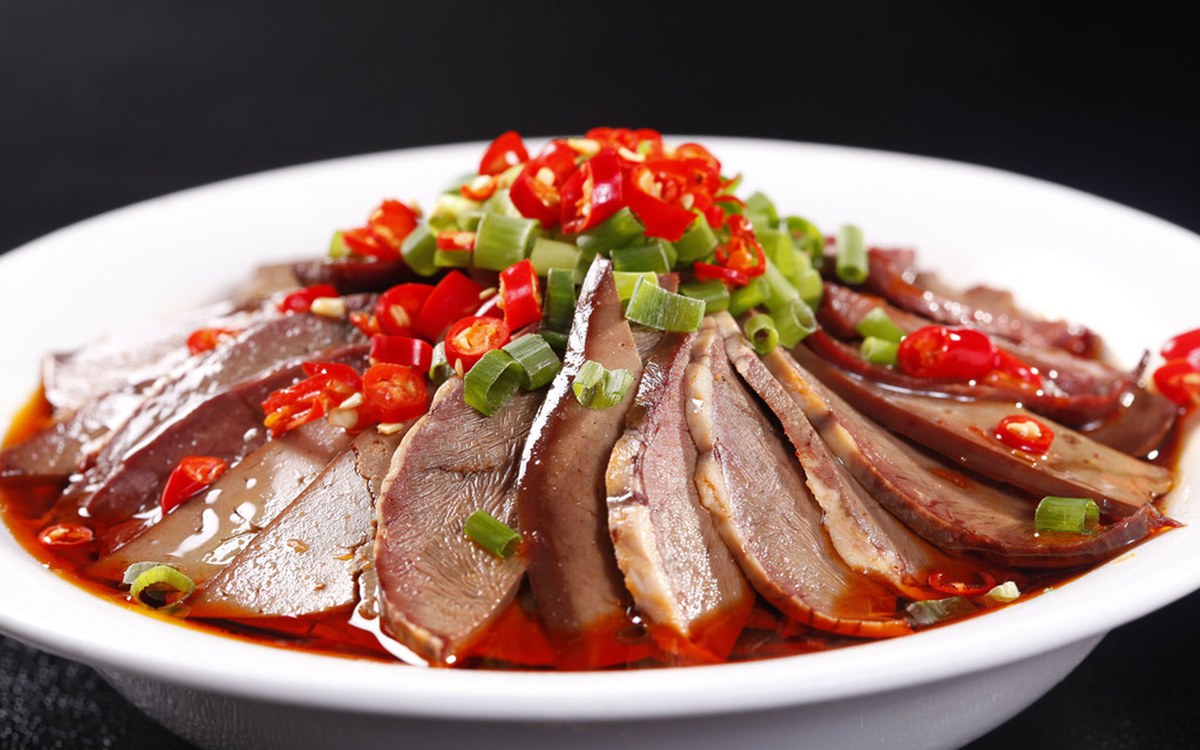
Beef offal braised until glassy and lacquered in roasted chili oil — the Chengdu cold dish a husband-and-wife stall built from the scraps nobody wanted.
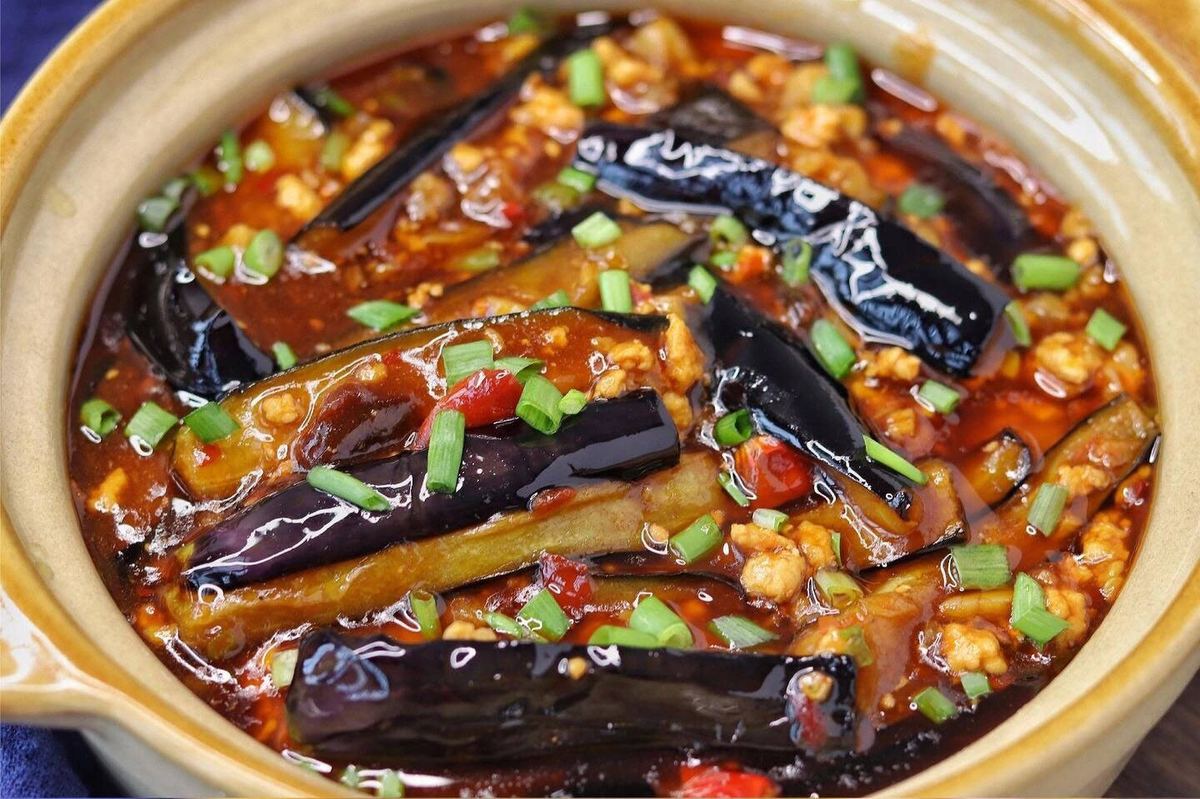
A dull purple vegetable, thrown into a screaming wok and transformed into glossy black-violet silk — the Sichuan dish that made me stop hating eggplant.
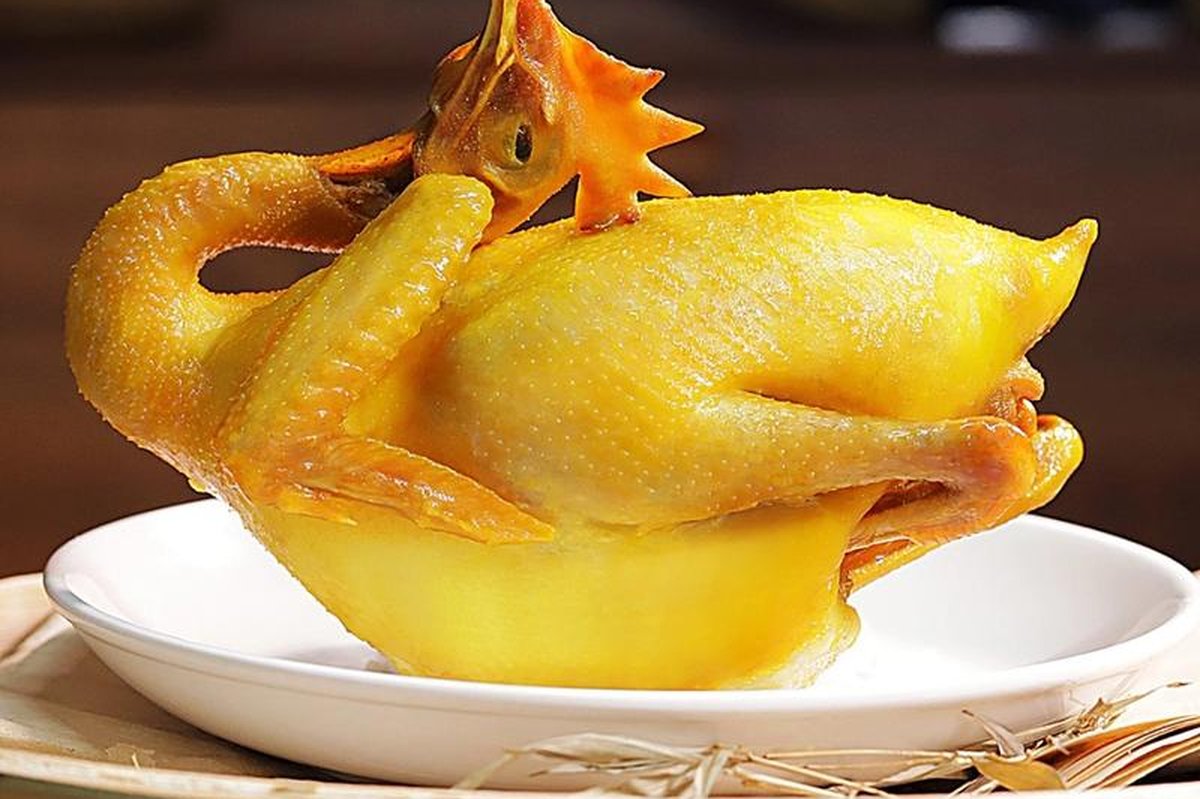
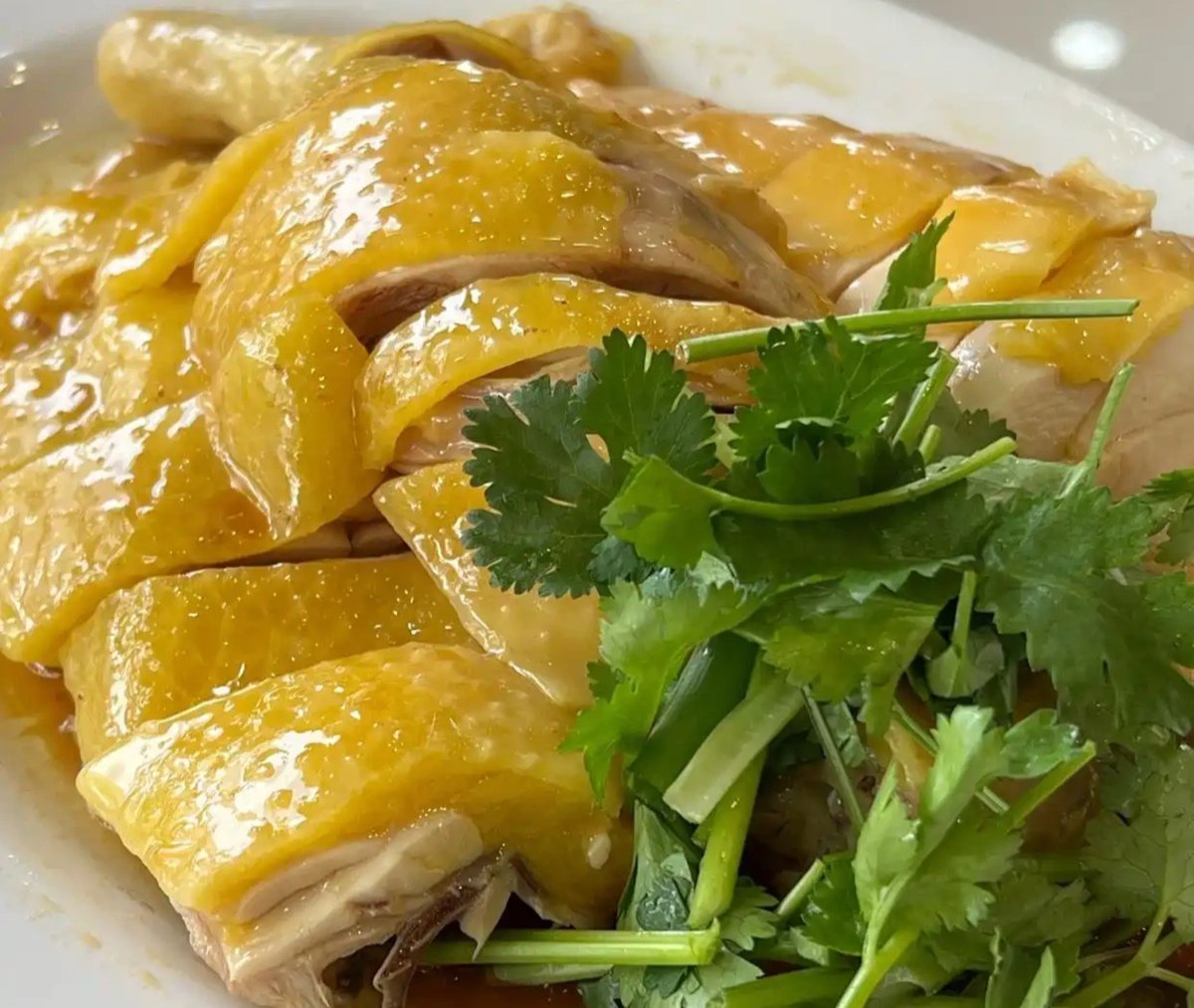
A signless shop in Guangzhou's Xiguan district, a bird that passes through three gates, and the ginger-scallion oil that makes the chicken complete. The dish that hides behind nothing.
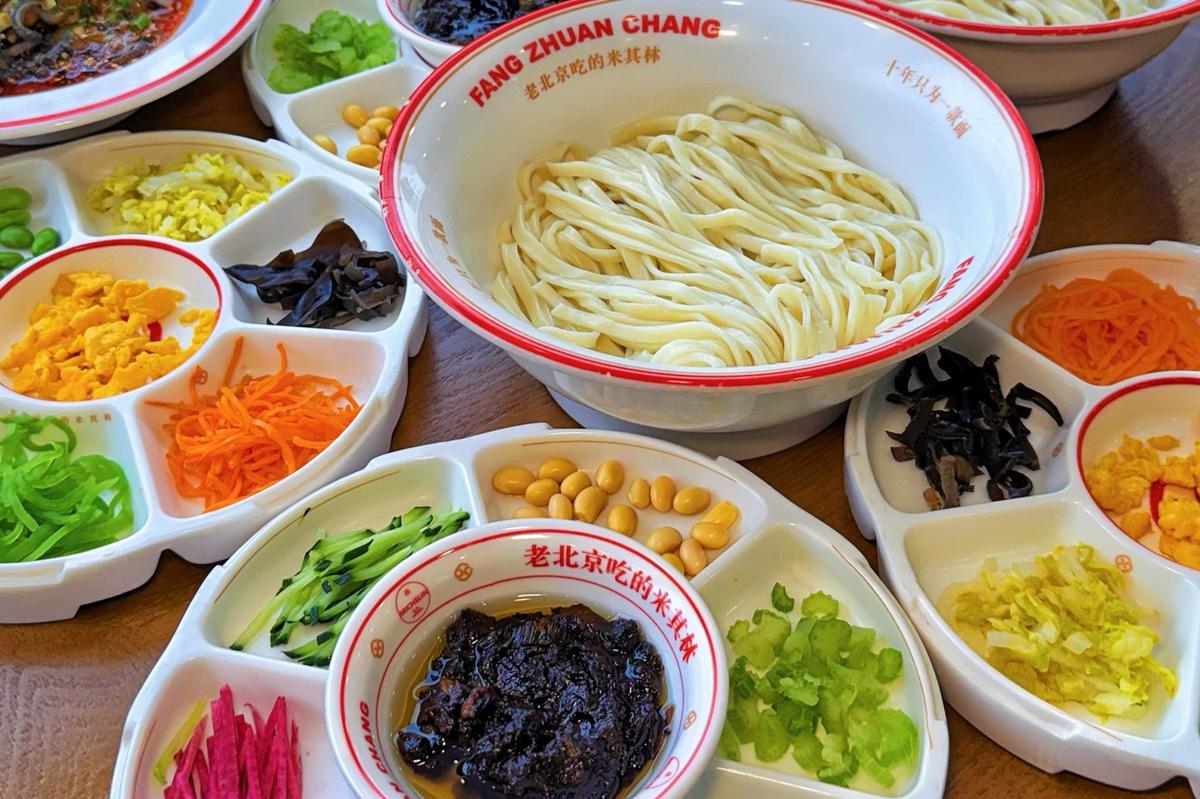
Thick hand-rolled wheat noodles buried under seven toppings and a dark, slow-fried pork sauce — the breakfast that makes Beijing forget about dumplings.
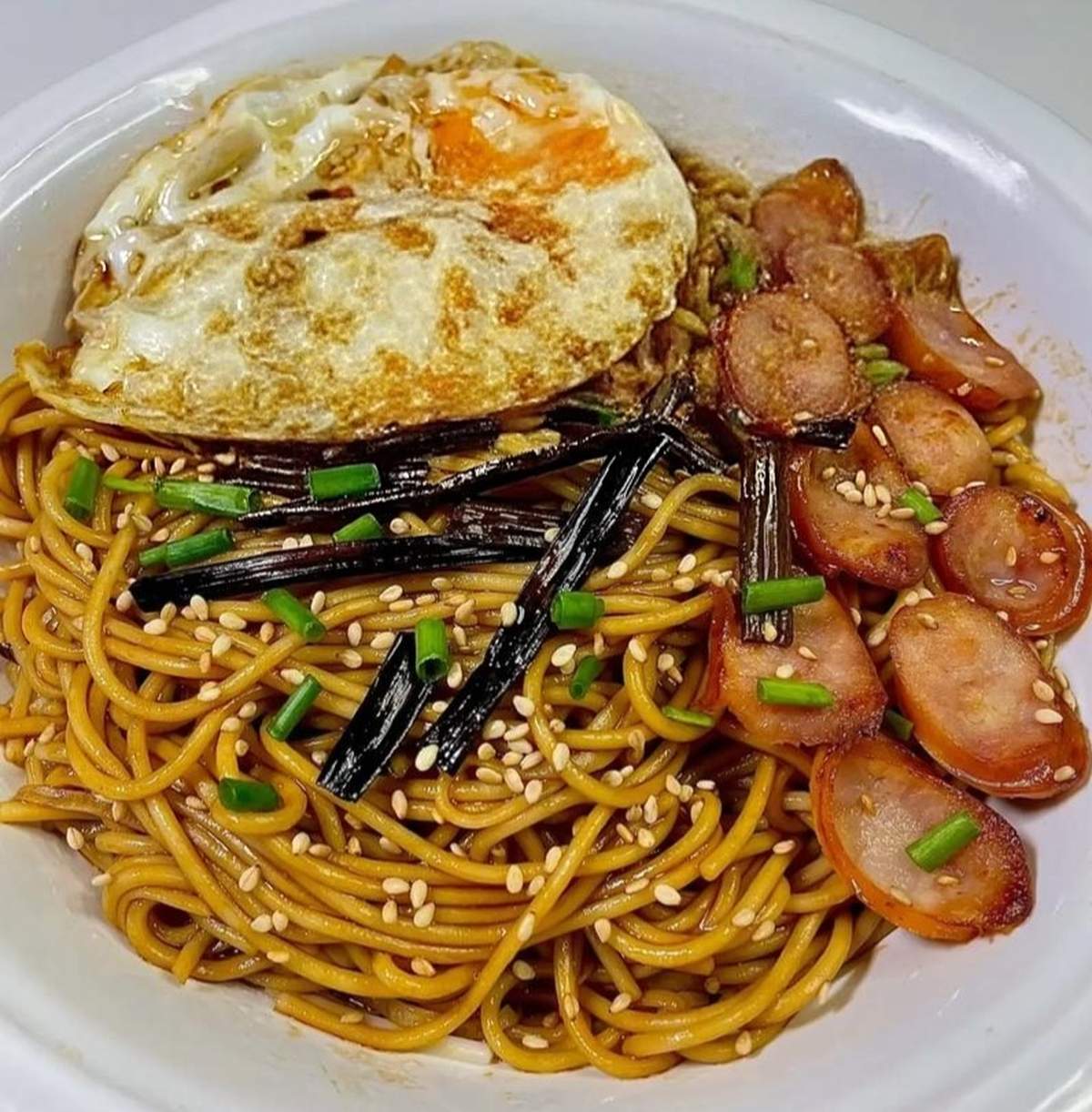
The scent of scallions hitting hot oil, drifting through a lane house window at midnight — four ingredients, ten minutes, and a bowl of noodles that tastes like Shanghai after dark.