How to Cook Real Mapo Tofu: The Sichuan Way
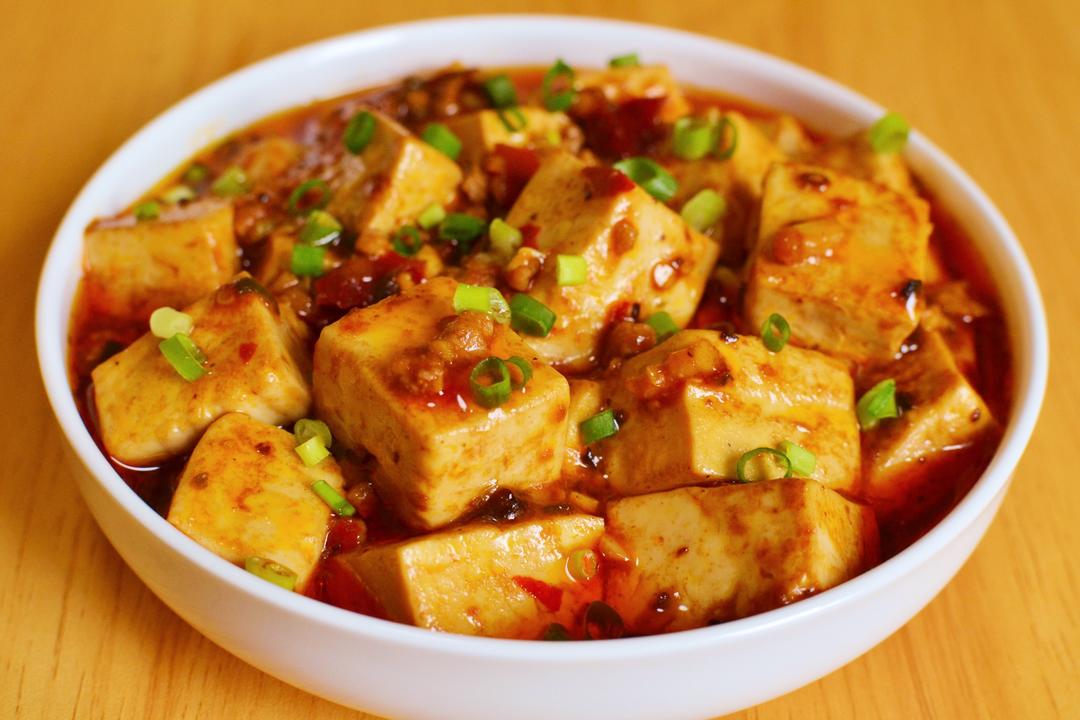
Editor’s Note: Since launching this column, we’ve heard one request more than any other: the stories are great, but how do we actually cook these? Today we’re fixing that — six classic recipes, dropping at once. Here’s how to make 麻婆豆腐的正宗做法。 This is the practical companion to Mapo Tofu: The Pockmarked Granny’s Revenge — read that first for the history, then come back here to cook.
Most Mapo Tofu outside Sichuan is a lie. It’s firm tofu drowning in a brown slurry with a whisper of chili flake — edible, maybe, but not Mapo Tofu. The real thing is an event: silken tofu so soft it collapses on your tongue, a sauce stained deep red by fermented broad bean paste aged in clay jars, and a numbing electric tingle from freshly ground Sichuan peppercorns that rewrites your nervous system in real time.
This recipe is the Sichuan way. Four non-negotiable ingredients, fifteen minutes from wok to table, and infinite ways to get it wrong. I’ve spent years debugging this dish the way I used to debug CUDA kernels. Here is the working code.
Ingredients
| Ingredient | Amount | Notes |
|---|---|---|
| Silken tofu | 400g (1 block) | Silken only. Not firm. Not medium. Silken. |
| Ground beef | 100g | 80/20 fat ratio ideal. Pork works as substitute. |
| Pixian doubanjiang | 1.5 tbsp | Non-negotiable. Hoisin and gochujang are not doubanjiang. |
| Fermented black beans (douchi) | 1 tbsp | Rinse briefly, then roughly chop. |
| Sichuan peppercorns | 1 tsp whole | Toast and grind fresh. Pre-ground is a dead battery. |
| Garlic | 3 cloves, minced | |
| Ginger | 1-inch piece, minced | |
| Scallions | 3 stalks | White parts for cooking, green parts for garnish. |
| Soy sauce | 1 tsp | Light soy, not dark. |
| Shaoxing wine | 1 tbsp | |
| Cornstarch | 1 tbsp | Mixed with 2 tbsp cold water for slurry. |
| Vegetable oil | 2 tbsp | |
| Water or stock | 150ml | |
| Salt | For blanching water | |
| Sugar | 1/2 tsp | Optional, to round out the salt. |
Step by Step
1. Prep Everything First
Mapo Tofu comes together in under ten minutes once the wok is hot. There is no downtime. Dice the tofu into 1.5cm cubes — even cubes cook evenly, and uneven cubes are a failure of attention. Mince the garlic and ginger. Chop the fermented black beans. Mix the cornstarch slurry. Slice the scallions, separating whites from greens. Toast the Sichuan peppercorns in a dry pan over medium heat until they smoke and release their floral-citrus perfume, then grind them in a mortar. Do all of this before you touch the stove.
2. Blanch the Tofu
Bring a pot of water to a boil. Add a generous pinch of salt. Slide in the tofu cubes and blanch for exactly 30 seconds — no longer. Drain gently with a spider strainer or slotted spoon. This creates a microscopic skin on the surface of each cube, keeping them intact through the simmer while the insides stay trembling. Skip this step and your tofu will shed sad white fragments into the sauce like a failing commit.
3. Bloom the Doubanjiang
Heat the oil in a wok over medium heat. Add the doubanjiang and stir continuously for 30-45 seconds until the oil turns a deep brick-red and the paste releases its fermented funk into the air. This is the single most important step in the dish. Doubanjiang is fermented for one to three years in clay jars — it needs heat and time to wake up. Undercook it and the sauce tastes raw and tinny. Burn it and you’ve ruined everything. When the oil is crimson and fragrant, add the fermented black beans, garlic, and ginger. Stir for 20 seconds — just until the garlic goes golden and the kitchen smells like a Chengdu alleyway.
4. Cook the Beef
Push the aromatics to one side of the wok. Add the ground beef to the cleared space and let it sit for 30 seconds before breaking it apart. You want the meat to sear, not steam. Stir-fry until the fat renders and the edges crisp, then incorporate everything together. Add the Shaoxing wine around the edge of the wok — it should hiss — and stir for another 30 seconds.
5. Simmer the Tofu
Pour in the water or stock and bring to a gentle boil. Add the soy sauce and sugar. Slide in the blanched tofu — gently, using the back of your spatula to guide the cubes into the liquid. Do not pour from a height. Do not dump. Once the tofu is in, reduce to a simmer and leave it alone for 3-4 minutes.
Why the tofu goes in cold (room temperature, post-blanch): The tofu doesn’t need to cook — it was already blanched. It needs to absorb. Dropping it into a violent boil will tear the cubes apart. A gentle simmer lets the sauce infiltrate the tofu’s surface while the inside stays soft. Push with your spoon, never stir. Broken cubes are sad cubes.
6. The Slurry — Last
Drizzle the cornstarch slurry into the simmering sauce in a thin stream while gently rocking the wok — not stirring, rocking. The sauce will thicken within 30 seconds, clinging to every cube. Slurry goes in last, never early. Add it before the tofu has absorbed the sauce and you’ve trapped water inside the cubes. Add it off the heat and the starch won’t activate.
7. The Sichuan Peppercorn — Off Heat
Remove the wok from the heat. Sprinkle the freshly ground Sichuan peppercorn over the surface. Do not stir it in — the powder should sit on top like volcanic ash, releasing its numbing compound the moment it hits your tongue. Heat kills the numbing compound (hydroxy-α-sanshool). Cook the peppercorn and you’ve made spicy bean stew with tofu. Different dish. Worse dish.
Garnish with scallion greens and serve immediately.
Key Pitfalls
Wrong doubanjiang. Hoisin, gochujang, sriracha, and generic “chili bean paste” are not Pixian doubanjiang. They will produce a dish that resembles Mapo Tofu the way a JPEG of a steak resembles a steak. Order Pixian doubanjiang online if you must. It keeps for months in the fridge.
Over-stirring. Tofu is fragile. The only agitation your wok should see is a gentle rocking motion to distribute the slurry. If you stir like you’re scrambling eggs, you’ll end up with a pink tofu smoothie. Push. Don’t stir.
Skipping the numbing. Pre-ground Sichuan peppercorn powder has lost its numbing compound within weeks. Whole peppercorns, toasted fresh, ground fresh. No Sichuan peppercorn at all? You are not making Mapo Tofu. You are making spicy bean curd, and those are different words for a reason.
Overcooking the doubanjiang. Burnt doubanjiang tastes like regret and smells like a mistake you can’t undo. Medium heat, constant stirring, 30-45 seconds. Set a timer if you’re prone to distraction.
Firm tofu. I don’t care that silken tofu is harder to handle. Firm tofu in Mapo Tofu is like putting a truck engine in a sports car — it technically fits, but everything about the experience is wrong.
Serving
Over white rice. Never brown rice, never quinoa, never cauliflower “rice.” Spoon the tofu and sauce over the rice and let it pool and stain. Chase every chunk of tofu with grains of beef buried in the crevices. Eat the scallions — they’re not garnish, they’re the green counterpoint. If your lips aren’t buzzing when the bowl is empty, you didn’t eat Mapo Tofu.
Fifteen minutes from wok to table. One of the fastest serious dishes in Chinese cooking. One of the hardest to get right. That’s the kind of optimization problem I understand — simple rules, infinite failure modes, one correct output.
Start with the story: Mapo Tofu: The Pockmarked Granny’s Revenge — the history and obsession behind the dish.
💬 Comments