Mango Pomelo Sago: A Hong Kong Invention
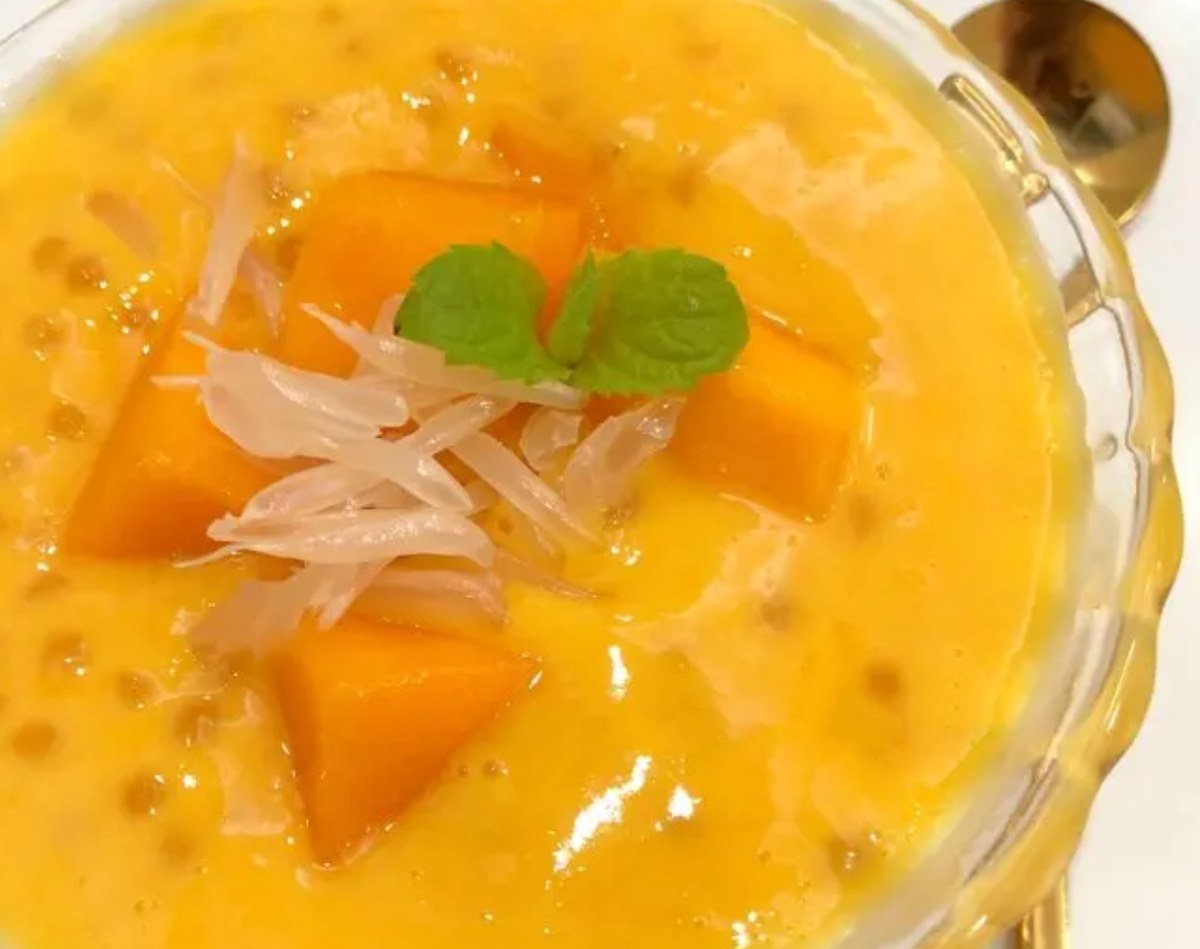
Editor’s Note: This is the kitchen companion to Mango Pomelo Sago: The Cantonese Classic That's Younger Than You Are. Quantities, temperatures and the failure points are below. Read the technique once before you shop.
Why the Dessert Is Built in Three Textures
Mango pomelo sago is usually dated to 1984 and to Lei Garden, the Cantonese restaurant group then expanding across Hong Kong. That origin is commonly reported rather than documented: nobody has produced a menu from that year, and the dish may have appeared in more than one kitchen at once. What is certain is that it is a Hong Kong invention, and that it rests on a contrast the city took to at once, cold soft mango cream against the pop of sago and the bitter perfume of pomelo.
Three mangoes, about 900g. Alphonso is the aromatic choice, fibrous and deep orange; Ataulfo, the small flat honey mango, is the practical one, with a thin stone and almost no fibre. What matters is ripeness. A mango that smells sweet at the stem and gives at the shoulder will carry the dessert, and a firm one will not, whatever you add to it.
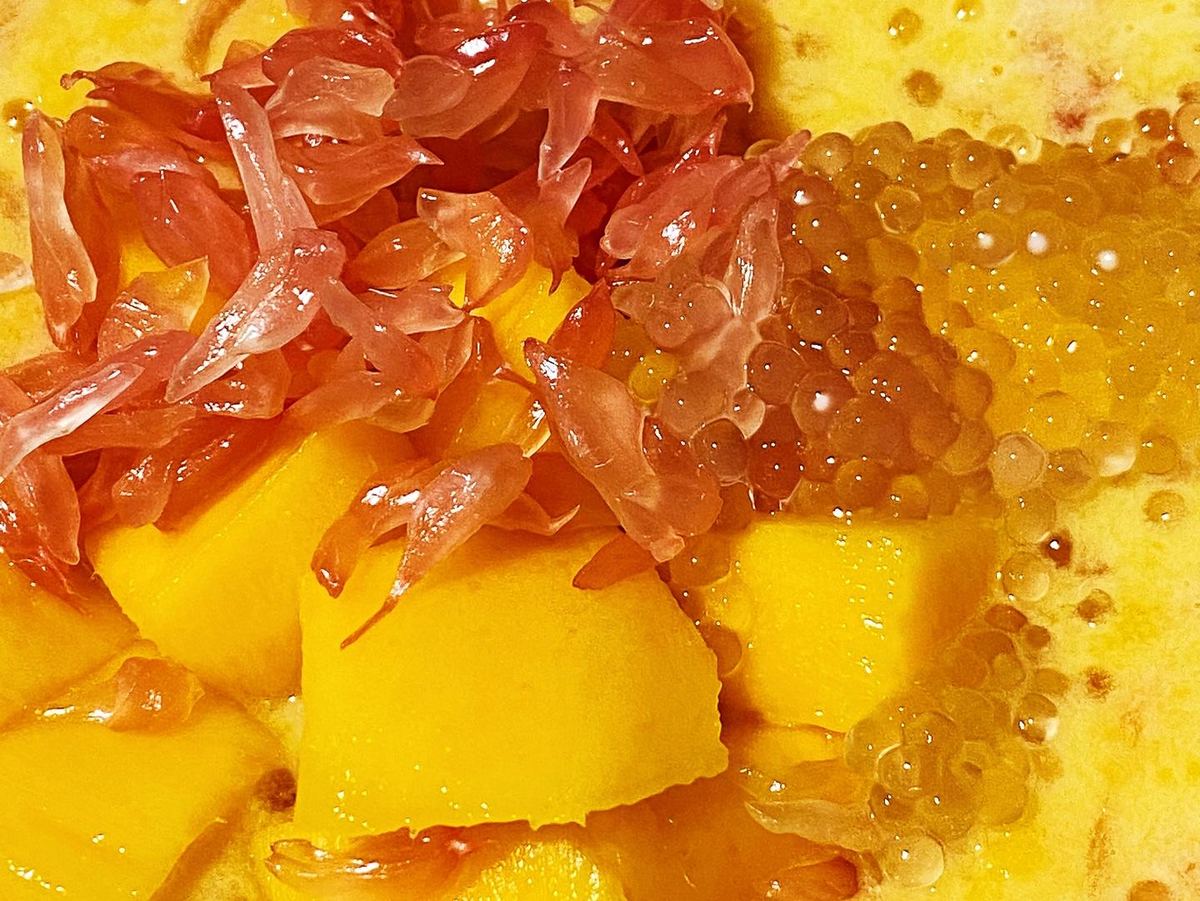
Of the 900g, roughly 500g of flesh is blended with 150ml of coconut milk and 100ml of evaporated milk, and 200g is diced into 1cm cubes. That ratio is deliberate. All coconut milk is heavy and coats the tongue; all dairy tastes thin beside the fruit. Together they give a cream that is rich and still reads as mango. The cubes are not a garnish; they are the texture the cream cannot provide.
Sago is where this dessert goes wrong. 60g of the small pearly kind, 1 to 1.5mm across, in a litre of water at a rolling boil, 100°C, for 10 to 12 minutes. The centre goes from opaque to a faint dot to clear, and you want to catch it at the dot, because residual heat finishes the job. Then into a sieve under cold running water, which stops the cooking and washes off the surface starch, and then into a bowl of cold water to sit. Why this matters: sago left draining in a colander fuses into one rubbery mass within a minute, and no stirring later will separate it.
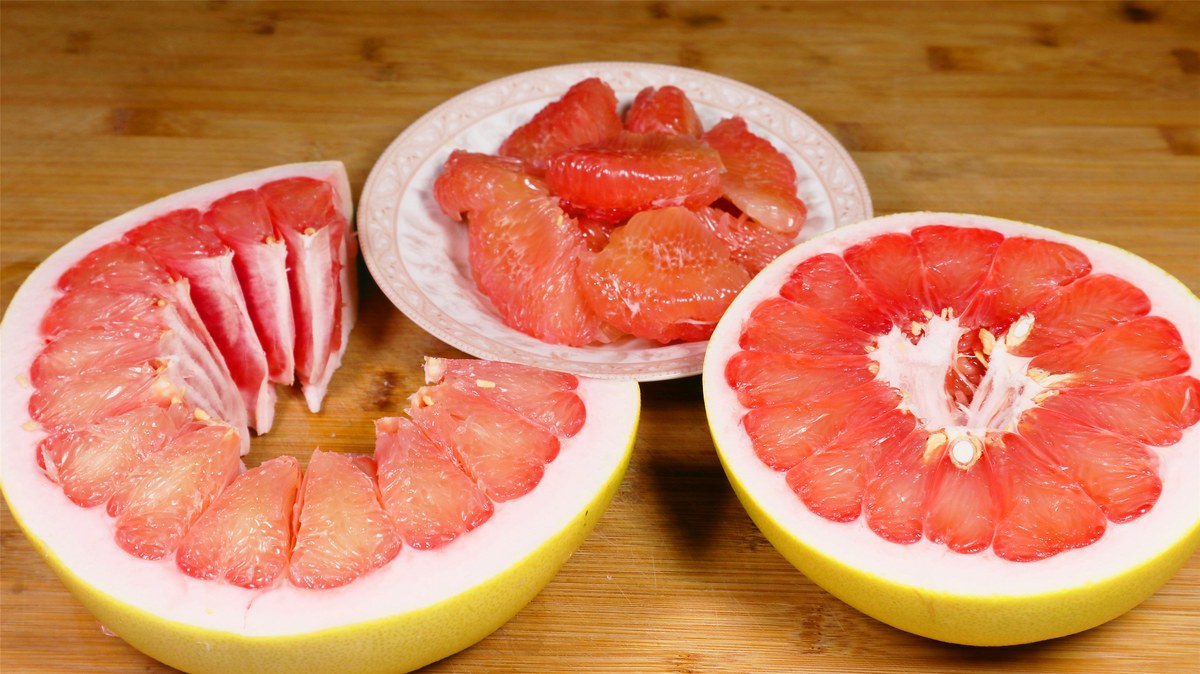
Pomelo is the part people rush. Two hundred grams of flesh, broken into sacs by hand, one segment at a time, peeling the membrane back and letting the vesicles fall free. A knife cuts the cells, releases their juice into the cream and leaves the bitter membrane attached, and one strip of pith will flavour a whole bowl.
60g of sugar becomes a syrup with 80ml of water rather than going in dry, so it disperses without grit and can be adjusted. Mangoes vary twofold in sweetness, so taste the base and add syrup in spoonfuls. A pinch of salt at the end makes the fruit taste more like itself; lime does the same when the mangoes are sweet and flat.
Two hours in the fridge is not optional. The sago hydrates further, the starch on its surface thickens the cream, and fruit, coconut and dairy meld. Twenty-four hours is the limit: after that the mango dulls and browns at the edges, the sago hardens and turns glassy, and the pomelo loses its perfume.
Ingredients
For the mango base
- 3 ripe mangoes (about 900g), Alphonso or Ataulfo
- 150ml coconut milk, full fat
- 100ml evaporated milk
- 1 tbsp (20g) condensed milk (optional)
- 1 tbsp (15ml) lime juice (optional)
For the sago
- 60g small sago (1-1.5mm pearls)
- 1 litre water, for boiling
- 1g fine salt (a pinch)
For the syrup and finish
- 60g caster sugar
- 80ml water, for the syrup
- 200g pomelo flesh (about half a large pomelo)
- 100ml cold whole milk, to loosen
- 50g extra mango, diced, for the top
Substitution notes: No pomelo: a pink grapefruit will do, but it is sharper and wetter, so use 150g and drain the sacs on paper for 5 minutes first. No evaporated milk: 100ml of whole milk plus 1 tbsp of milk powder, which restores some of the body.
Large 3mm sago needs 25 to 30 minutes and gives a chewier dessert; cook it until the centre is just clear and use the same weight. Coconut cream can replace coconut milk if you dilute it with 50ml of water, or it sets firm in the fridge.
Prep: Thirty Minutes, Most of It Peeling
1. Make the syrup (3 minutes)
Bring the sugar and 80ml of water to a boil and hold at about 104°C for 2 minutes, until clear. Cool to about 22°C before it goes near the mango, since hot syrup dulls the aroma.
2. Cut the mangoes (10 minutes)
Stand each mango on its end and cut down either side of the stone. Score the flesh in a crosshatch, press the skin inside out, and slice the cubes off. Weigh 500g for blending and 200g of neat 1cm dice, and keep the trim for the blender. Chill the dice while you work.
3. Break the pomelo into sacs (12 minutes)
Cut the top and bottom off, score the skin in quarters, and pull it away with the pith. Break the fruit into segments, then tear each one open and separate the sacs with your fingers, discarding membrane, seeds and every trace of white pith. Work over a bowl so the juice is caught, and do not squeeze the sacs.
4. Chill the glasses (30 minutes)
Put four wide glasses in the fridge. Glass holds the cold and shows the layers, and a warm bowl takes the edge off a dessert that should be served properly cold.
Step by Step: Fifteen Minutes of Cooking
Step 1: Boil the sago (10 to 12 minutes)
Bring the litre of water to a rolling boil, add the sago and stir for the first 30 seconds so the pearls do not settle and stick, then every couple of minutes. At 8 minutes they are translucent at the edges with a white core; at 10 to 12 the core is a faint dot. Bite one: it should give easily with the barest chalk at the centre.
Step 2: Rinse and hold in cold water (2 minutes)
Tip the sago into a fine sieve and run cold water through for a full minute, moving them with a spoon until they feel cool and separate. Leave the sieve standing in a bowl of cold water so the pearls stay covered, and drain just before they go into the cream.
Step 3: Blend the mango base (2 minutes)
Put the 500g of mango in a blender with the coconut milk, evaporated milk and condensed milk if using. Blend for 45 seconds, no longer. You want a thick, slightly textured puree with no foam; over-blending whips air into the coconut fat and the base turns pale.
Step 4: Fold in the sago and adjust (2 minutes)
Drain the sago well and fold it in with a spatula. Add the syrup a tablespoon at a time, tasting between spoons, then the salt and the lime if the mangoes need lifting. If it is thicker than heavy cream, loosen with cold milk 2 tbsp at a time. It firms in the fridge, so aim slightly looser than you want it.
Step 5: Chill for 2 hours
Cover and refrigerate at 4°C for at least 2 hours. Stir once after the first hour, because the sago sinks. Do not add the pomelo yet; it loses its perfume and turns soft in the cream.
Step 6: Layer and serve
Spoon 2cm of cream into each cold glass. Add a layer of pomelo sacs, more cream, the diced mango, then a final spoon of cream. Finish with pomelo and mango cubes on the surface where they can be seen. Why this matters: layering keeps the pomelo from being crushed under the cream and gives each spoonful a different balance of soft and sharp.
Key Pitfalls
The sago turned into one gluey lump. It was drained and left sitting, or not rinsed. Surface starch fuses the pearls, so rinse under cold water for a full minute and keep them submerged until they go in.
The sago was hard and chalky in the middle. It was pulled too early, or the water stopped boiling when the cold pearls went in. Keep a rolling boil, stir in the first 30 seconds, and bite a pearl rather than trusting the clock.
The whole dessert tasted bitter. Pith or membrane from the pomelo, or mango skin in the blender. Tear the sacs by hand, pick out every white scrap, and cut the flesh away from the skin rather than scraping it.
The base set like porridge in the fridge. Too much sago for the liquid, or coconut cream instead of milk. Sixty grams to 250ml of dairy is the limit; loosen with cold milk before chilling.
It tasted flat and sweet at the same time. Under-ripe mangoes. Nothing here is cooked long enough to concentrate the flavour, so the fruit has to be ripe. Add the salt and the lime, and use less syrup.
It was brown and dull by morning. It was kept past 24 hours, or the pomelo was mixed in the night before. Keep the pomelo separate and layer it at serving.
Serving Suggestions
Serve it in a wide glass so the layers show, well chilled, with a long spoon. It follows a heavy meal, and a small portion is enough; this makes four generous bowls. Extra pomelo sacs on top, and nothing else.
It needs no accompaniment beyond tea, though sparkling water is better than anything sweet. Covered in the fridge it holds for 24 hours, after which the mango dulls and the sago stiffens. Leftovers can be frozen in small moulds into lollies.
This is the companion recipe to Mango Pomelo Sago: The Cantonese Classic That's Younger Than You Are. Read the story, then cook the dish.
💬 Comments