Hu La Tang: The Breakfast That Bites Back
The train from Shanghai pulls into Zhengzhou at 5:40 in the morning, and the cold on the platform is the kind that finds the gap at your collar. I had a backpack, a paper cup of terrible coffee, and no plan. Then the doors opened onto the street and something hit me in the back of the nose. Pepper. Not chili — pepper, dry and hot and faintly dusty, the way a whole sack of it smells when the lid comes off.
Half a block up, a stall with a pot the size of a bathtub. Gas ring roaring underneath. A man in a padded jacket stirred it once with a long wooden spoon, then let go, and the spoon stayed where he left it — standing straight up in the soup. That is the entire pitch. The soup is thick enough to hold a spoon.
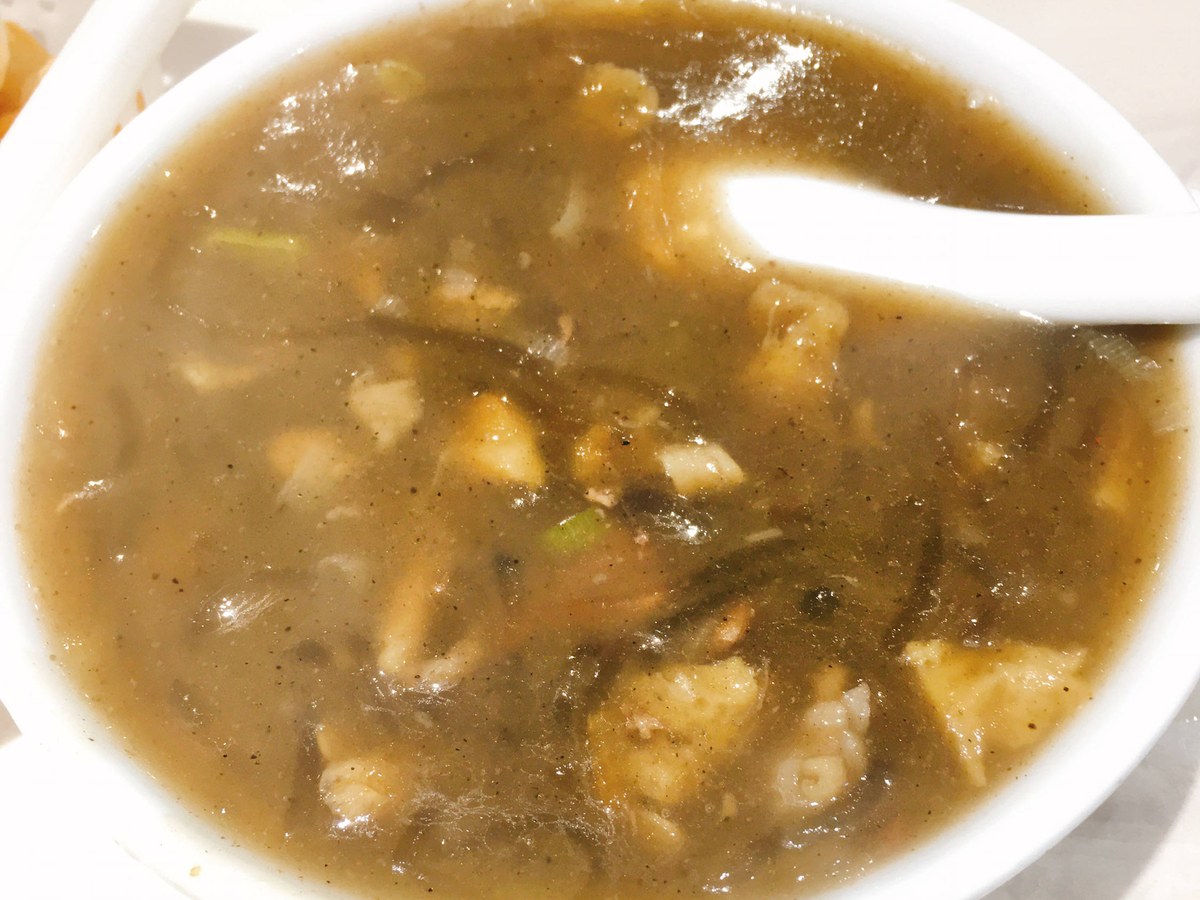
Hu La Tang (胡辣汤, hú là tāng) is what Henan eats for breakfast. Six in the morning, seven, never much past nine — the good stalls are scraped clean by then and the pot gets rinsed out in the street. You get a bowl, you get a plate of fried dough, you sit on a plastic stool with your knees around the table, and you eat it while it is still too hot, because it does not improve with waiting.
Now the thing I need to clear up. If you have had "hot and sour soup" at a Chinese restaurant abroad, you have not had this. The two share a colour and nothing else. Hot and sour soup is thin, vinegar-forward, a starter that shows up before the actual food. Hu la tang is the actual food. Beef or lamb broth cooked down, loaded with solids, thickened with starch until it coats the back of a spoon, and heated with black pepper — a genuinely unreasonable amount of black pepper.
The pepper is the immigrant
The name admits it. 辣 is spicy, 汤 is soup, and 胡 is the character old Chinese used for things that arrived from outside — the same 胡 in 胡椒, black pepper. The spice came in along the trade routes from the south and west; Henan had no peppercorn of its own, so it built a breakfast around an import. The most stubbornly local dish in central China gets its whole personality from a foreigner. I like that about it.
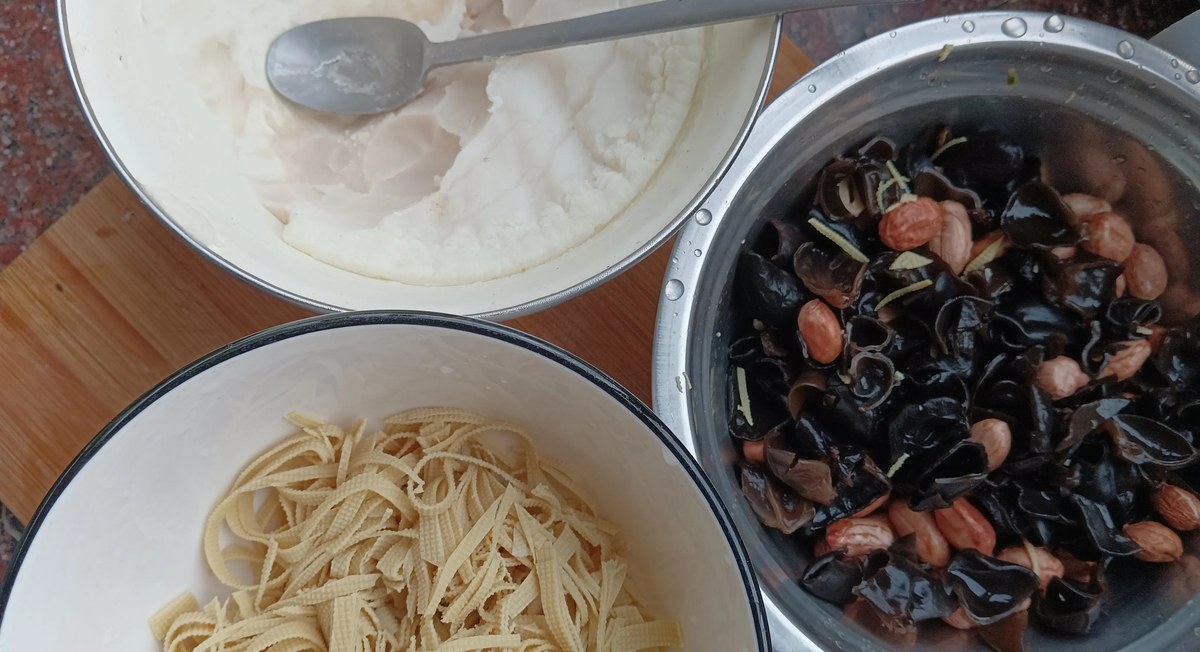
What is in the bowl: beef or lamb broth, hand-torn gluten (面筋) that sponges up the liquid, strips of dried tofu skin, wood ear, kelp, peanuts, sometimes daylily, sometimes glass noodles, always a lot of starch. No two stalls agree on the list. Every family thinks the others are wrong.
And the heat is not the heat you are expecting. Black pepper does not burn your lips. It goes up: the back of the throat, then the sinuses, then a sneeze you cannot stop, and by the third spoon your forehead is wet. Chili oil sits on your tongue and dares you to keep going. This one just quietly opens your head and lets the morning in.
Two towns, one argument
Ask where the real version comes from and you will start something. Xiaoyao town in Xihua county goes heavy on the spice list — twenty-odd aromatics, a dark medicinal broth, mutton. Beiwudu in Luohe keeps it cleaner: beef bone, straight pepper, thinner body. People from either place will tell you the other one tastes like dishwater, and both of them are right about their own.
How to tell you are in the wrong shop
Three tells. If the bowl is red, someone is hiding a weak broth behind chili oil; hu la tang should be brown, not scarlet. If the spoon falls over when you let go of it, they have used too much starch so it can survive takeaway, and now you are eating gravy. And if the pepper does not make you sneeze, it came out of a packet. Those three-yuan instant sachets are sold all over the country and taste like exactly what they are: starch, salt, and pepper dust with nothing underneath.
The worst bowl I ever had was in a mall in Shanghai, advertised as "Henan style." It was smooth. Hu la tang should never be smooth. It should have edges — torn gluten, gritty pepper, a piece of tendon you have to work at.
You eat it with 水煎包, the pan-fried pork buns with the lacy crispy skirt, or with 油馍头, little nuggets of fried dough that you dip and pull out dripping. Vinegar at the table, a spoonful rather than a pour. Do not stir it; the starch is the structure and stirring breaks the body. Work from the edge of the bowl inward so the middle stays hot. And eat fast.
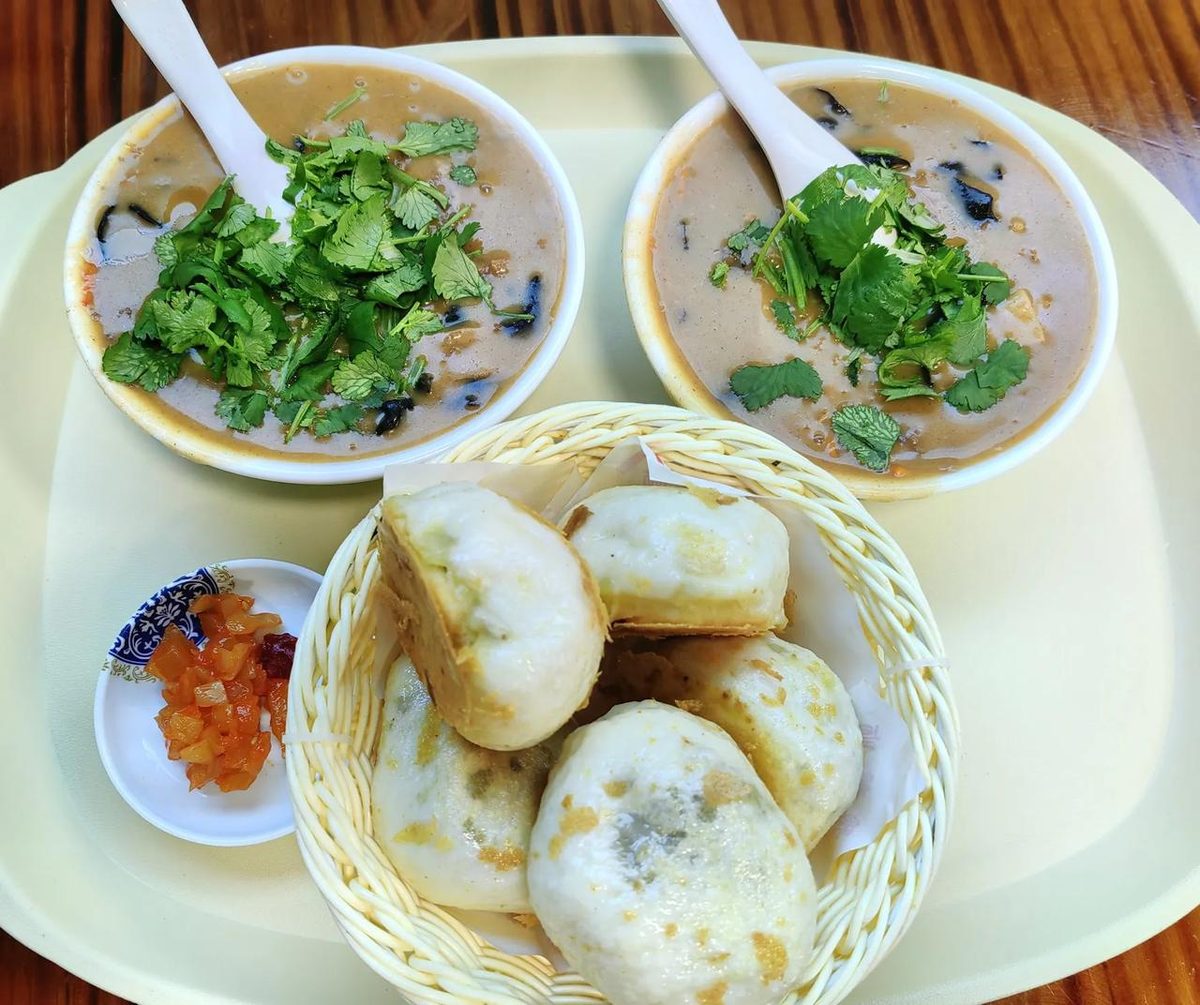
A friend of mine from Zhoukou took me to his usual place the second time I was in Zhengzhou. He did not say much. He ordered, paid, sat down, and watched me take the first spoon, waiting for my face to change. When it did — the sneeze, the water in my eyes — he nodded once and went back to his own bowl. That was the whole review process.
I walked back to the hotel with my ears ringing and my jacket smelling of pepper. Ten hours later I could still taste it. That is not a complaint.
💬 Comments