Hot Pot: The Meal Where You Cook Your Own Food and Thank Them for the Privilege
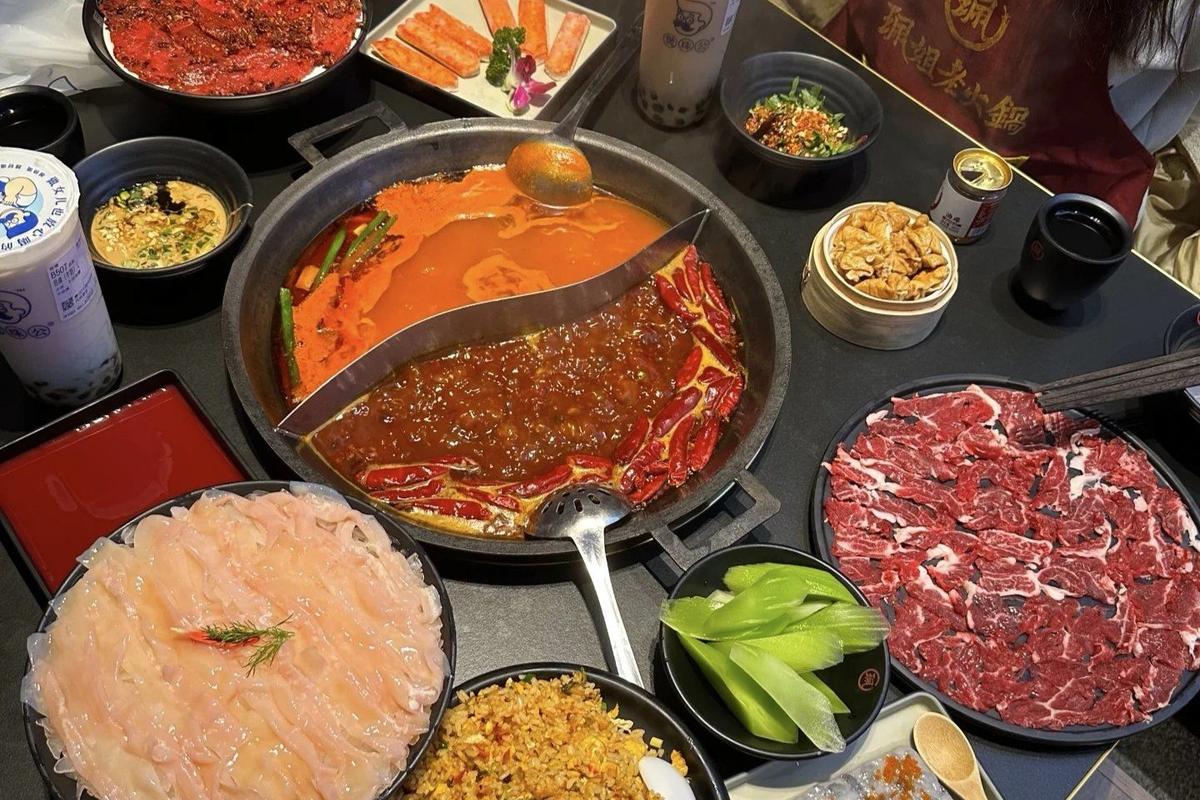
The first time I ate real Chongqing hot pot, I was twenty-five, three years into Microsoft, visiting a former classmate who had moved back to his hometown. He took me to a place that looked like it had been built into the side of a parking garage. No sign. No menu. You sat down and they brought a cauldron divided down the middle — one side a roiling crimson sea of chili oil and Sichuan peppercorns, the other a pale bone broth with floating goji berries. Then the ingredients. Plate after plate of raw meat, tofu, vegetables, mushrooms, tripe, duck blood, noodles. And then they left.
I stared. My friend was already throwing lamb into the red side.
"You cook it yourself," he said. "That's the point."
Hot pot (火锅, huǒguō) is the only meal where you pay a restaurant for the privilege of doing all the work. And it is the best meal in China.
The Architecture of a Bite
I spent thirteen years in software engineering. The best products turn users into participants. Hot pot is the ultimate participatory meal. Four components. Every single one under your control.
The broth: red side and white side. The red is beef tallow, dried chilies, Sichuan peppercorns, doubanjiang, garlic, ginger, star anise, and a dozen other things that stay submerged forever. It's a cooking medium — a weaponized liquid that transfers flavor and heat simultaneously. The white side is pork bone broth, mild, for vegetables and for anyone who needs a break from the red side. You will need a break.
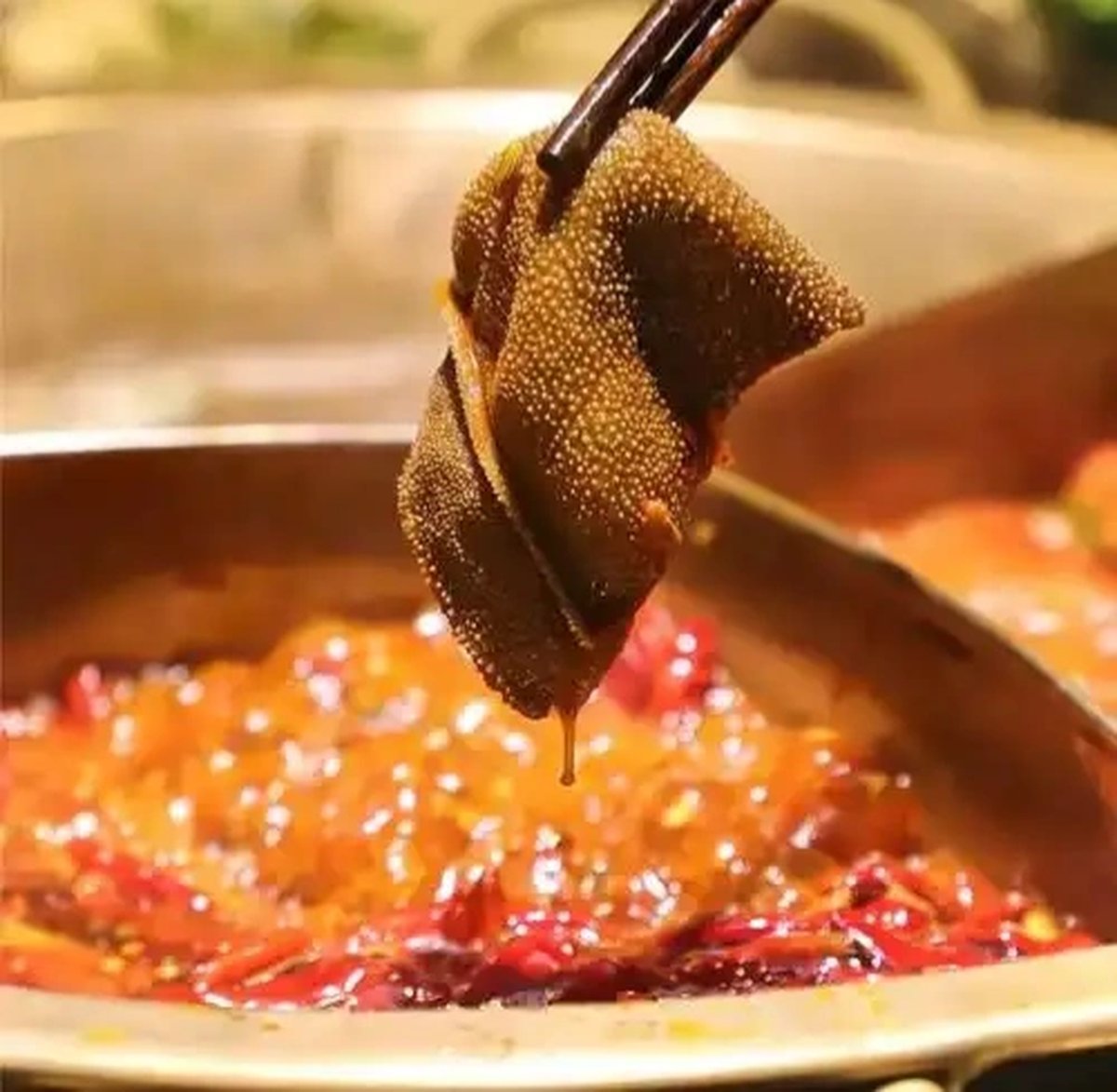
The ingredients: anything sliced thin enough to cook in under a minute. Lamb shoulder, paper-thin and rolled. Beef tripe, honeycomb kind, holding chili oil in its pockets. Tofu skin, dried and rehydrated, absorbing broth like a sponge. Lotus root, sliced into wheels, staying crisp even after boiling. Tong hao (茼蒿), wilting in ten seconds flat. Quail eggs. Glass noodles that turn transparent and slippery and absorb every drop of chili oil they touch.
The dipping sauce: a DIY station. Sesame paste, raw minced garlic, scallions, cilantro, oyster sauce, black vinegar, chili oil. Everyone builds their own. My friend's rule: sesame paste is the base, garlic is non-negotiable. My rule: more garlic than seems reasonable. Nobody is kissing you tonight anyway.
The timing: this is where most hot pot goes wrong. Lamb — eight seconds, swish and pull. Tripe — fifteen seconds, no more, or rubber. Tofu skin — thirty seconds. Lotus root — two minutes. Mushrooms — three minutes. Glass noodles — last, because they absorb everything and turn the broth to sludge. One thing at a time. Eat immediately. Do not dump everything at once. That's soup. Different meal.
A good hot pot session lasts two hours minimum. The broth deepens. The first slice of lamb tastes like chili oil. The last slice tastes like every ingredient that came before — beef fat, mushroom water, tofu skin, dissolved marrow. It's a living sauce. You're cooking in a conversation.
The Origin
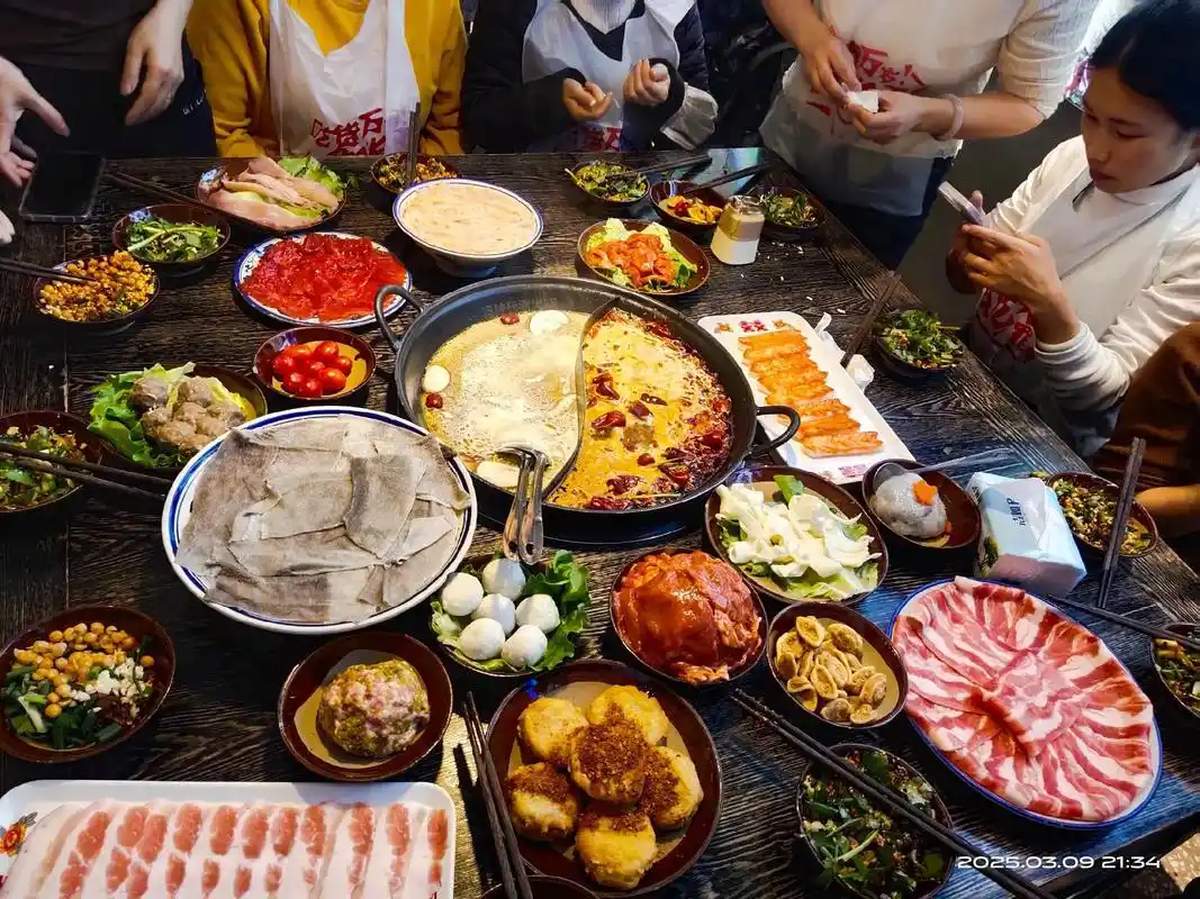
Chongqing dockworkers invented this during the Qing dynasty. They'd boil offal and cheap cuts in a communal pot of spiced water on the riverbank. Poor people's food. The spice masked meat that wasn't fresh. A hundred years later, you need a three-week waiting list for a good Chongqing hot pot restaurant.
The Enemies of Hot Pot
The Individual Pot. Some places give everyone their own tiny cauldron. This is fondue with an identity crisis. Hot pot is communal. You cook for each other. You reach across the table. You argue about whether the tripe is ready. Individual pots kill the only thing that matters: shared chaos.
The Mild Version. Broth that's warm water with a single dried chili floating on top. This is a bath, not hot pot. The red side of a real hot pot should be sixty percent chili oil by volume. Your eyes should water when they set it down.
The "Everything at Once" Approach. Beginners dump the whole plate of lamb in at once. Now you have thirty seconds to fish it out before it overcooks. You will fail. Gray, tough meat floating in a pot too crowded to cook anything else. One slice at a time.
The Sauce Overthinker. Ten minutes at the sauce station, fourteen ingredients, tasting, adjusting. Your food is getting cold. The pot is boiling over. Sesame paste, garlic, scallions, vinegar. Move.
The right hot pot: divided cauldron, red side deep enough to stain the spoon, white side for respite, six people minimum, two beers per person, no regard for time. When your face is numb and you're sweating through your shirt — that's when the meal starts.
How to Eat It
You don't eat hot pot. You survive it. The spice builds. First ten minutes: easy. Minute thirty: lips buzzing. Minute sixty: tongue gone. Minute ninety: altered consciousness where only the next slice of lamb exists.
Drink cold beer. Tsingtao or Harbin. Carbonation cuts the oil. Water spreads the capsaicin and makes it worse. Rice is a rookie move.
At the end, when the broth has reduced by half, someone always orders noodles. Thick hand-pulled noodles go in last, soaking up what remains. That final bowl contains the entire history of the meal.
My grandmother never ate hot pot. "Too spicy," she'd say, waving her hand. "Shanghai people don't do that." She was right. But at sixty-seven, I watched her eat her first Sichuan meal — one bite of mapo tofu, eyes widening, reaching for water, then reaching for more. Discovery. Surrender. Another slice.
Always another slice.
I'll save the home hot pot setup for another post — sourcing the right broth base and assembling a spread that doesn't disappoint. Recipe coming soon.
💬 Comments