Dan Dan Noodles: Build the Bowl From the Bottom
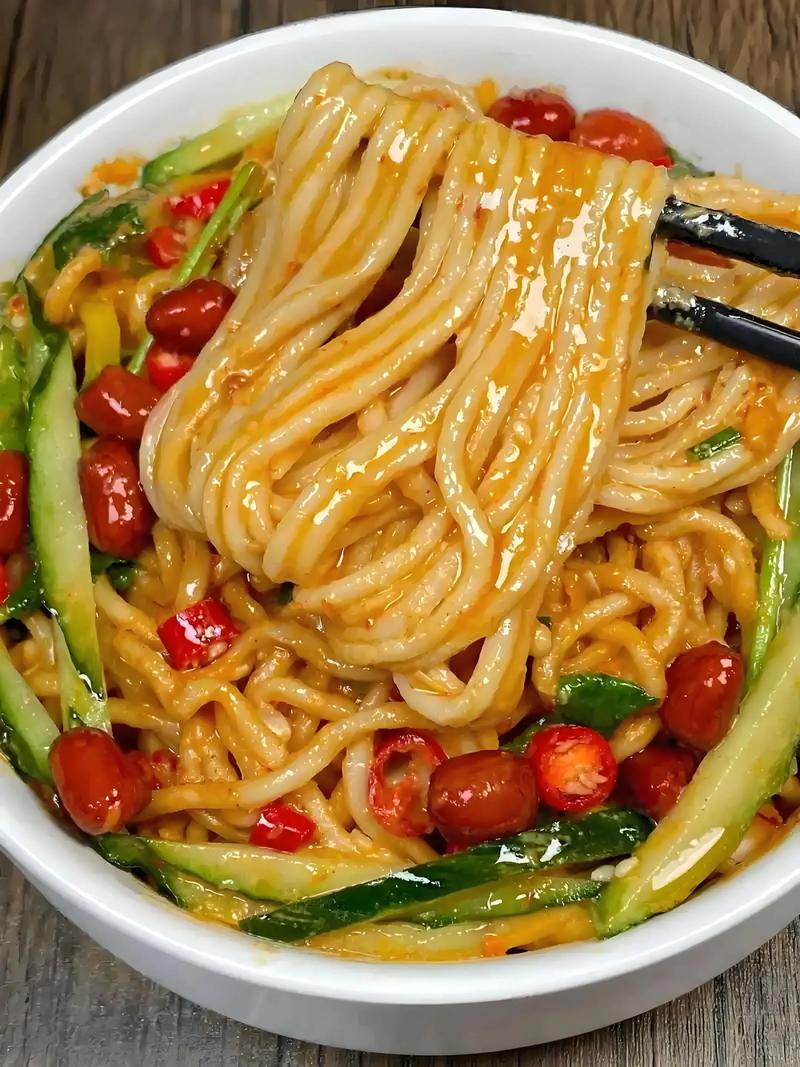
Editor’s Note: This is the kitchen companion to Dan Dan Noodles: The Street Snack That Outran Its Own City. Quantities, temperatures and the failure points are below. Read the technique once before you shop.
Why the Bowl Is Built Before the Noodles Are Cooked
Dan dan noodles are not a sauce poured over pasta. They are a bowl assembled in a fixed order, and the order is the recipe. Everything goes in first, into the empty bowl: 2 tbsp of chilli oil, 1 tbsp of sesame paste loosened with 2 tbsp of hot noodle water, 1 tbsp of light soy, 1 tsp of black vinegar, 1 tsp of sugar, 1 tsp of ground Sichuan pepper. Noodles next, pork on top, tossed at the table.
The reason is mechanical. Noodles straight from the pot are hot, wet and starchy, and they sink. A sauce spooned over the top coats the first strand it touches and nothing else; a pool of sauce underneath is picked up evenly, because every strand passes through it as you lift and turn.
Sesame paste is what fails most often. Chinese sesame paste is ground from toasted seeds and is oil-continuous, thicker than peanut butter, with no added water. Drop a spoonful into soy, vinegar and chilli oil and it does not blend: it seizes into a stiff grey paste, because the little water present cannot invert the emulsion. Loosen it alone first, with hot water a spoonful at a time, stirred hard. It goes from stiff to creamy to pourable in about 30 seconds, and only then can it join the other liquids. Why this matters: a seized paste never recovers, and you end up with a dry knot at the bottom and oily noodles above it.
The water should come from the noodle pot, not the tap; its dissolved starch helps the sesame hold the chilli oil in suspension instead of letting it separate into a red slick.

The pork should be crisp. 150g of minced pork goes into a hot dry wok and is pressed flat until the water it releases has boiled away, then it fries in its own fat, about 6 minutes. A tablespoon of sweet bean paste and a teaspoon of Shaoxing go in at the end, off the heat, so the sugar glazes the meat without burning. Yibin ya cai, the preserved mustard stem sold in vacuum packs, is worth seeking out: add 30g chopped fine at the same moment for a fermented, sour depth.
Noodles are 150g dried or 300g fresh, cooked 30 seconds short of the packet time. They finish in the bowl, absorbing sauce as you toss. Toss at the table and eat inside 3 minutes.
Ingredients
For the bowl, in this order
- 2 tbsp (30ml) chilli oil, with the sediment from the bottom of the jar
- 1 tbsp (16g) Chinese sesame paste
- 2 tbsp (30ml) hot noodle water, for loosening
- 1 tbsp (15ml) light soy sauce
- 1 tsp (5ml) Chinkiang black vinegar
- 1 tsp (4g) caster sugar
- 1 tsp (2g) ground Sichuan pepper, freshly ground
For the pork topping
- 150g minced pork, about 20 percent fat
- 1 tbsp (20g) sweet bean paste
- 1 tsp (5ml) Shaoxing wine
- 30g Yibin ya cai, chopped fine, optional
- 1 tbsp (15ml) neutral oil
For the noodles and finish
- 150g dried wheat noodles, or 300g fresh
- 2 scallions (40g), greens sliced thin
- 1 tsp (4g) toasted sesame seeds
- 1 tsp (4ml) chilli oil, extra, for the top
Substitution notes: If you cannot get Chinese sesame paste, use the same weight of unsweetened tahini with 1/2 tsp of toasted sesame oil to bring back the roasted note; tahini is made from hulled seeds and tastes flatter. Smooth peanut butter works but is sweeter, so cut the sugar to 1/2 tsp. Coarsely chopped shoulder holds a better crumb than machine-minced pork; pulse it six or seven times.
Chinkiang vinegar can be replaced by 1 tsp of Chinese rice vinegar plus a few drops of balsamic, but not balsamic alone, which is too sweet and smells of wood. If ya cai is unavailable, omit it rather than using pickled mustard greens, which are wet and steam the pork instead of letting it crisp.
Prep: Loosen, Grind, Chop
1. Loosen the sesame paste (3 minutes)
Put the 1 tbsp of sesame paste in a small bowl and add 1 tbsp of hot water, about 80°C. Stir in small circles, pressing the paste against the side. It looks worse before it looks better, breaking into curds. Add the second tablespoon and keep going; within 30 seconds it is a smooth cream that falls off the spoon in a ribbon.
2. Grind the Sichuan pepper (2 minutes)
Toast 1 tsp of whole Sichuan peppercorns in a dry pan for 40 seconds until they smell of citrus and begin to pop, then grind to a powder. Use it within the hour. Why this matters: the numbing compound is volatile, and a jar of pre-ground pepper tastes of dust.
3. Chop the aromatics and set out the bowls (10 minutes)
Slice the scallion greens thin and keep them in iced water if you want them to curl. Chop the ya cai fine. Put the noodles on only when the pork is done, and warm two deep bowls with hot water and dry them; a cold bowl pulls the heat out of the sauce before the first toss.
Step by Step: Pork, Noodles, Assembly
Step 1: Fry the pork dry (6 minutes)
Heat a wok over high heat for 90 seconds, add the 1 tbsp of oil, then the pork. Press it flat with the spatula and leave it a full minute before breaking it up. The liquid it releases must boil off before browning can start, which takes about 3 minutes at high heat. After that the fat renders and the meat crackles. Keep pressing and turning until the crumbs are dark brown and crisp, roughly 6 minutes in all.
Step 2: Glaze with the bean paste (1 minute)
Turn the heat to low. Add the sweet bean paste and the Shaoxing and stir for 45 seconds until the pork is coated and glossy and smells of fermented beans rather than raw wine. Add the ya cai now, if using, for another 30 seconds. Take the wok off the heat and leave the pork in it.
Step 3: Cook the noodles 30 seconds short (4 minutes)
Boil 2 litres of water, salt it lightly, and cook 150g of dried noodles 30 seconds less than the packet says, usually 3 minutes 30 seconds. Before draining, ladle 2 tbsp of the starchy water into the sesame paste and stir. Drain but do not rinse; the surface starch is what thickens the sauce.
Step 4: Build the bowl from the bottom (1 minute)
In each warm bowl put 1 tbsp of chilli oil with its sediment, half the loosened sesame paste, 1/2 tbsp of light soy, 1/2 tsp of black vinegar, 1/2 tsp of sugar and 1/2 tsp of ground Sichuan pepper. Stir each bowl once with a chopstick. The mixture should look like a dark red sludge, not a liquid.

Step 5: Noodles on, pork on top, toss at the table (3 minutes)
Lift the drained noodles straight into the bowls without shaking them dry, and spoon the hot pork over. Scatter the scallion greens and sesame seeds, dribble the extra chilli oil on, and carry the bowls to the table. Toss from the bottom up for 15 seconds, lifting high so the strands fold through the sauce, and eat at once.
Key Pitfalls
The sesame paste turned into a stiff grey lump. It met water in a small amount and seized. Loosen the paste alone with hot water, a spoonful at a time, until it pours, and only then add the soy and vinegar. If it has seized, add hot water 1 tsp at a time and beat hard.
The bowl was oily on top and dry at the bottom. The sauce was spooned over the noodles instead of sitting under them. Put the liquids in the empty bowl first, noodles on top, and toss from the bottom.
The pork was pale, wet and chewy. It went into a cool pan, or it was stirred from the start. Heat the empty wok for 90 seconds, and press the pork flat for a full minute before touching it so the water can boil away.
The topping tasted burnt and bitter. The sweet bean paste went in over high heat; it carries sugar and ferments that catch within 20 seconds. Turn the heat to low before it goes in and stir for no more than 45 seconds.
The noodles were soft by the time they reached the table. They were cooked to the packet time and left to drain. Pull them 30 seconds early, do not rinse, and get them into the bowls within a minute; they finish in the heat of the sauce.
The dish was hot but had no numbing tingle. The pepper was old, or it went into the hot wok. Ground Sichuan pepper loses its aroma within weeks. Grind it fresh and put it in the bowl with the liquids, never in the pan.
The sauce was thin and ran to the bottom of the bowl. The noodles were rinsed, which washed off the starch, or too much noodle water went into the paste. Drain without rinsing and use exactly 2 tbsp of the cooking water.
Serving Suggestions
Two bowls, two people, and something cold and uncooked on the side: smashed cucumber with garlic and salt, or blanched greens with sesame oil. The noodles are rich with sesame and chilli, so the vegetable should be sharp and wet rather than fried.
Drink cold lager, or jasmine tea if you want to taste the pepper rather than fight it. Do not make this ahead; the sauce separates and the noodles go slack within ten minutes, and there is no way to bring it back.
This is the companion recipe to Dan Dan Noodles: The Street Snack That Outran Its Own City. Read the story, then cook the dish.
💬 Comments