Crayfish: The Rice-Paddy Pest That Became China's Summer Religion
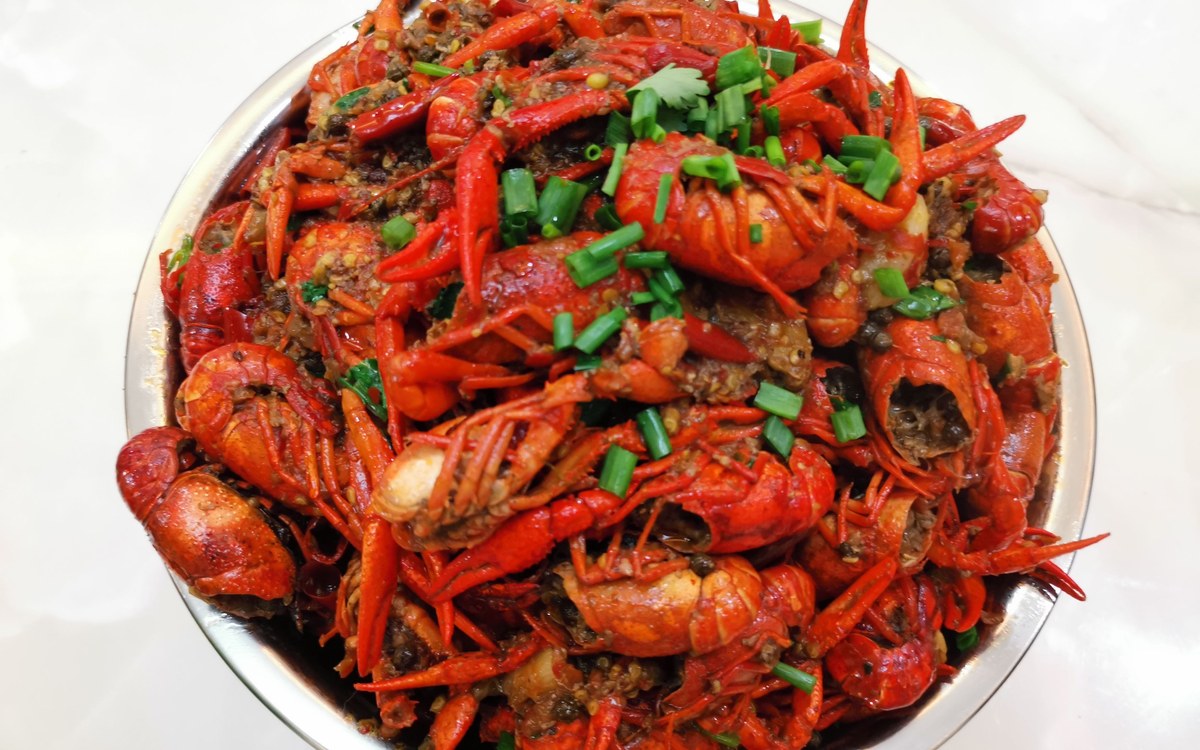
The gloves go on first. Thin clear plastic, the kind that snap around your wrist, handed to you by a server who has already accepted that the table, the floor, and possibly you will not survive the next hour clean. Then the first basket lands: a mountain of crayfish the color of brake lights, glossy with oil, buried in a sauce of thirteen spices and more chili than any reasonable person would put near an open flame.
This is how summer starts in China. Not with a date on a calendar. With a plastic table on a sidewalk, a string of lights, a case of cold beer, and a pile of shells that will be knee-deep by midnight.
I was thirty, back in Shanghai after years abroad, sitting at one of those tables with three old friends I only saw when someone flew back. One of them — a man who'd taught me to code, of all things — reached into the pile, snapped a crayfish in half with the ease of a magician, and held up the tail like a trophy. "This," he said, "is what we do now. Every summer. It's a religion."
He wasn't wrong. Crayfish (小龙虾, xiǎolóngxiā) — "little dragon shrimp" — went from a rice-paddy pest nobody wanted to the single most important food of the Chinese summer. It's not a dish. It's a season, a ritual, an excuse to sit outside with people you love and get oil up to your elbows.
The Anatomy of a Peel
I've spent thirteen years in tech, and I've learned that the best interfaces teach themselves. The crayfish is a perfect interface. It has one job — make you work for it — and the work is the point.
The tail. This is the prize. Pinch the tail with one hand, the head with the other, twist, and pull. The meat comes out in a single white coil, firm and sweet, the size of a fat prawn. It's the cleanest part, the beginner's reward.
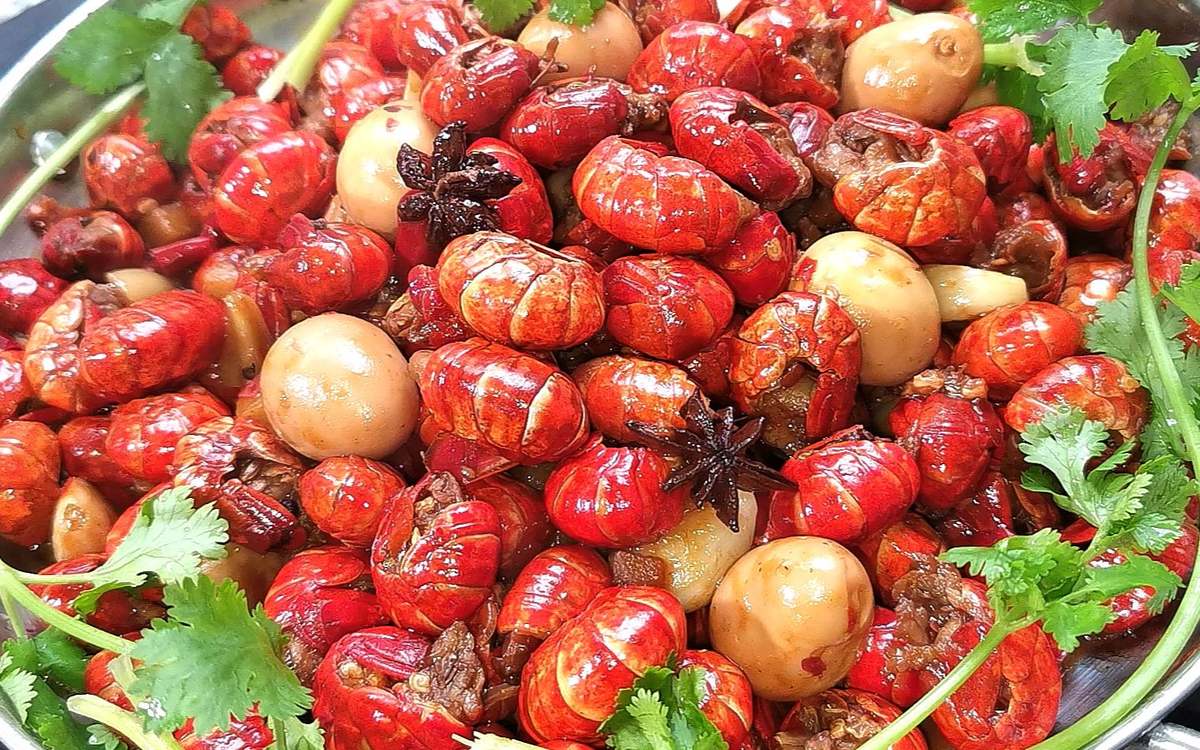
The claws. Small, fiddly, barely worth it — but the meat in the claws is the sweetest, because nobody else bothered. This is where the devotees and the tourists separate.
The head. Here's the argument. Some people — cowards, mostly — snap off the head and toss it. Others, the initiated, suck the head, because that's where the flavor is: the xiā huáng, the golden, custardy stuff that's part roe, part fat, part pure umami. Sucking the head is the moment you stop eating crayfish and start worshipping it.
The sauce. Thirteen-spice (shísān xiāng, 十三香) — star anise, cassia, fennel, Sichuan peppercorn, dried chili, and eight more — or garlic, mountains of raw garlic fried in oil until it goes sweet and sticky. The sauce isn't on the crayfish. The sauce is the reason the crayfish exists.
A good crayfish night ends with your fingers stained, your lips numb, and your faith restored.
The Origin
Crayfish are not from China. They're American — Louisiana crawfish, to be exact — and they were introduced to China in the 1920s and 30s, partly as an experiment, partly by accident. For decades they lived in rice paddies and irrigation ditches, a pest that farmers threw away. Then, sometime in the 1990s, someone in Hubei or Jiangsu figured out how to make them taste incredible, and a pest became an industry. Today China farms and eats more crayfish than the rest of the world combined.
The Enemies of Crayfish
The Undercooked, Meal-Free Version. Bad crayfish is mealy — the tail meat soft and chalky instead of firm and sweet. That's a farmed, frozen, or simply old crayfish. The good ones snap when you twist the tail. If the meat is mushy, the crayfish is lying to you.
The No-Head-Suck Version. Some places — and some eaters — treat the crayfish like a shrimp with a costume, discarding the head and the gold inside it. That's eating half the dish. The head is where the crayfish keeps its entire argument.
The "Dead Before Cooking" Version. This is the one that actually matters. A crayfish that died before it hit the pot is a food-safety risk and tastes off. The test is the tail: a tail that's curled tight means it was alive and jumped in the pot. A tail that's flat and straight means it went in dead. Don't eat the flat ones.
The Tourist-Trap Version. In the crayfish belt — Hubei, Jiangsu, and now every city in China — there are places selling crayfish at hotel prices with the flavor dialed down for the uninitiated. If the sauce is mild enough for a foreigner to drink, they're selling you the admission fee, not the religion.
The right crayfish: alive before the pot, boiled in thirteen-spice or garlic until the shell is slick and the meat is firm, served by the basket at a plastic table, with cold beer and no cutlery. The mess is the point.
How to Eat It
You eat crayfish with your hands, your gloves, and a complete absence of self-consciousness. There's a rhythm to it: twist the tail, pull, suck the head, drop the shell, reach for the next one, sip the beer. Repeat until the pile of shells outgrows the pile of crayfish. Talk while you do it — this is not food you eat in silence. It's food you eat while arguing about nothing with people you'd fly across an ocean to see.
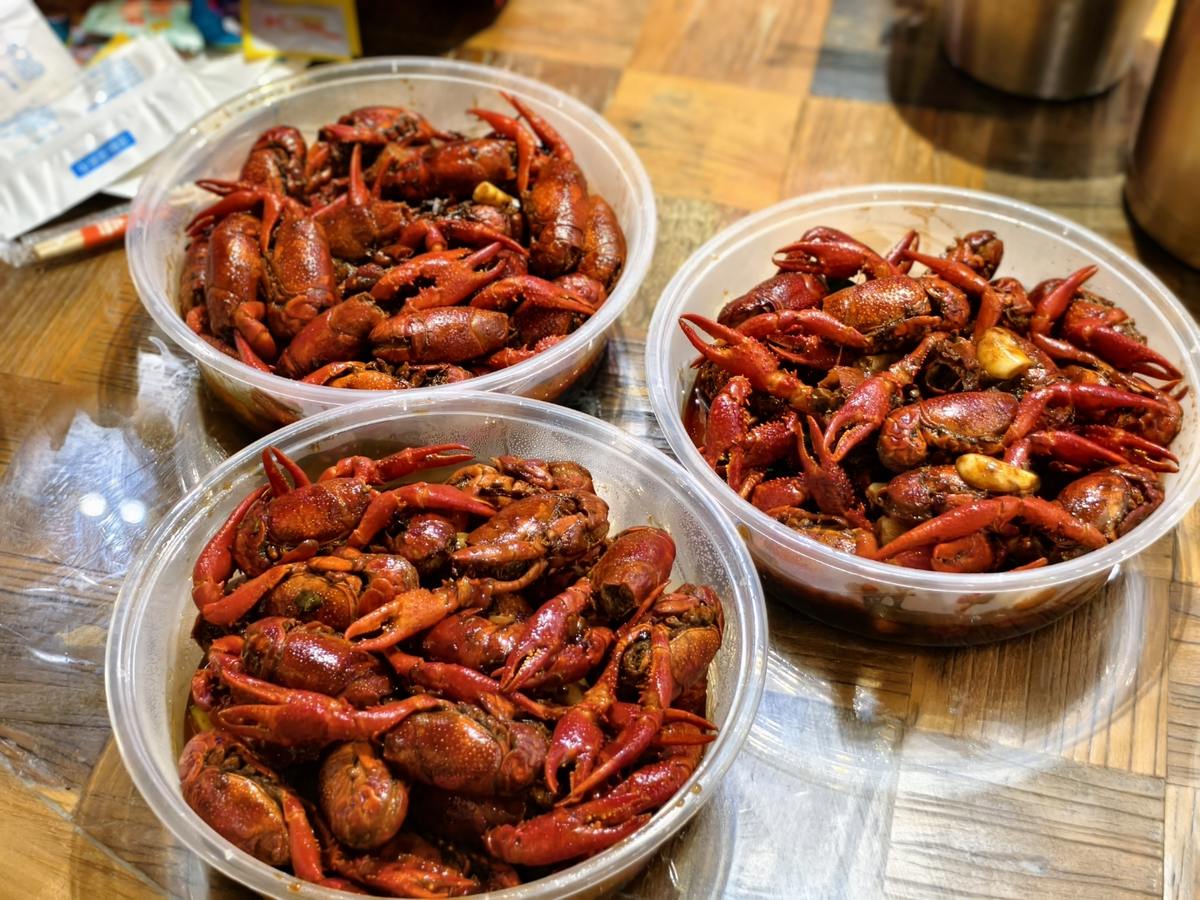
My friend — the one who taught me to code, the one who called it a religion — had a rule about the last crayfish in the basket. Nobody takes it. You leave it, a single red sentinel in the bottom of the basket, for the table. It's a small superstition, the kind that only makes sense after the fourth beer and the hundredth shell. It means: this isn't over yet. There will be another summer.
I'll save the home-cooking breakdown for another post. Building a proper thirteen-spice boil — toasting the spices, blooming the dried chilies, getting the balance right — that deserves its own deep dive. Recipe coming soon.
💬 Comments