Chow Mein: The Noodle That Left China and Never Looked Back
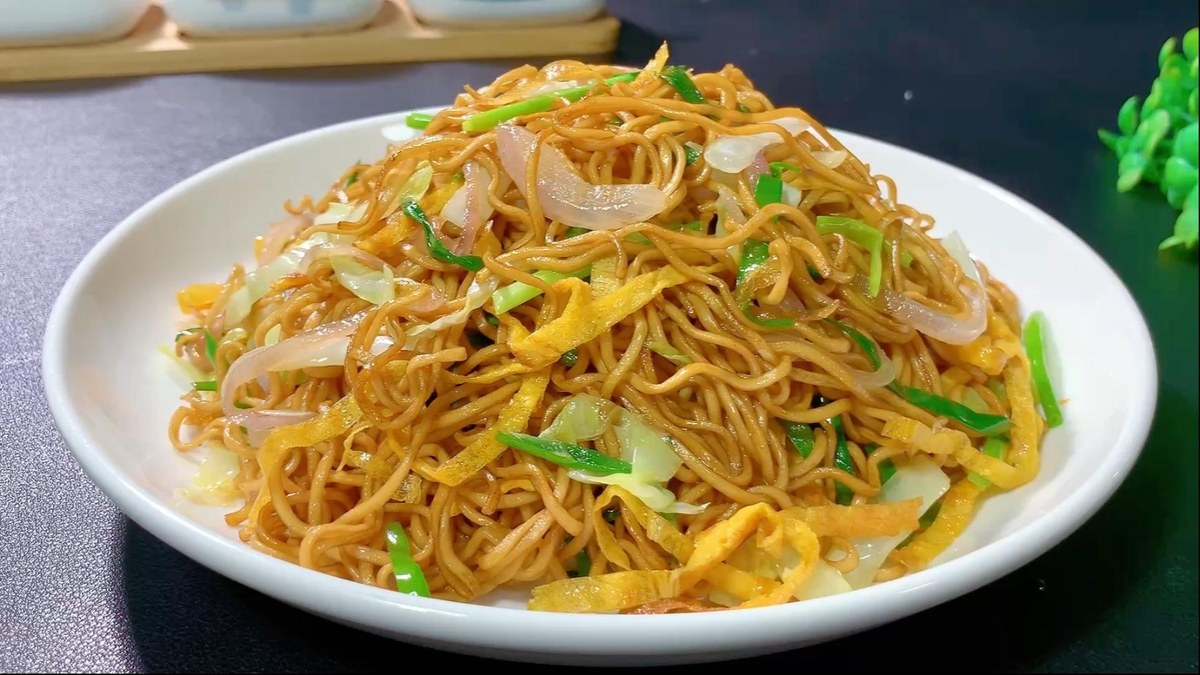
The wok hits the burner and the whole cart shudders. Steel on flame. A ladle of oil goes in and screams. The cook doesn't flinch — he's done this ten thousand times tonight and ten thousand times last year. He drops in a tangle of pale egg noodles, and for half a second nothing happens. Then he lifts the wok with one arm and throws them.
The noodles leave the wok, hang in the air, and fall back through a wall of fire. Oil spatters. Soy sauce hisses against hot steel. The smell — burnt oil, black soy, scallion — hits you from ten feet away and rearranges your plans for the evening.
I was nineteen, out past midnight in Shanghai, and I was watching a man do the single most honest job in cooking. He wasn't making "chow mein." Nobody in Shanghai calls it that. He was making 炒面 (chǎo miàn), fried noodles, and he'd been doing it since before I could walk. That name — chow mein — belonged to a different country, a different century, and a very different plate of noodles.
Chow Mein (炒面, chǎo miàn) is the most famous Chinese noodle dish on earth, and the one China barely recognizes when it comes back home.
The Architecture of a Wok
I've spent thirteen years debugging systems at three tech giants. The best ones are boring: every component does one job, and the whole thing only works if every part is exactly where it's supposed to be, at exactly the right temperature, for exactly the right amount of time. Chow Mein is a distributed system with four components, and if any one of them is off, the whole plate collapses.
The noodles. Egg noodles, fresh, the pale yellow kind you buy still damp in a bag. Dried noodles turn to mush the second they hit a hot wok. Fresh noodles have bounce — qiú jìn, the Chinese word that means springy in a way "springy" can't touch. Boil them, then drain them, then let them sit. Wet noodles won't char. This is where most people fail before the wok is even hot.
The wok itself. It has to be screaming hot — the oil should shimmer and threaten to smoke. That's the whole trick. The Cantonese call it wok hei (镬气), "the breath of the wok." It's not an ingredient you can buy. It's the sear you get when food hits a pan hot enough to vaporize the liquid the instant it touches, so the surface chars and the inside stays tender. No wok hei, no chow mein.
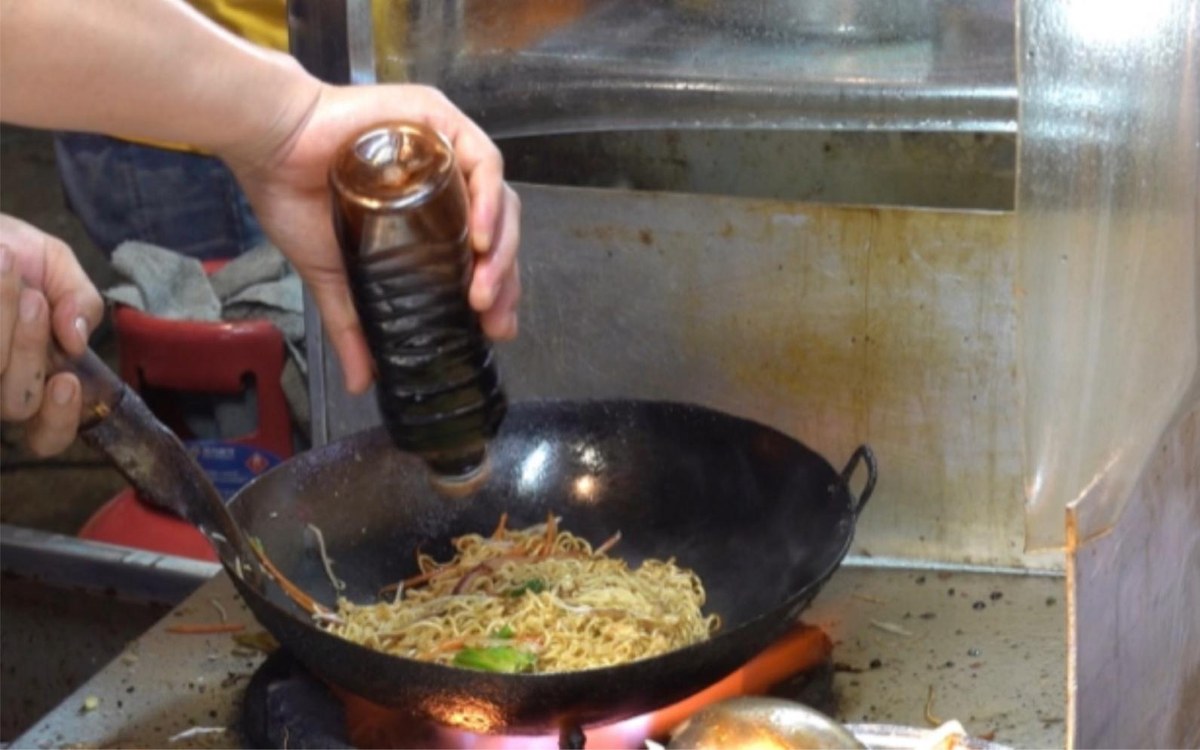
The sauce. Soy sauce, dark soy for color, a spoon of sugar, a splash of Shaoxing wine. That's it. The American version added a gallon of brown cornstarch gravy on top, which is a different dish pretending to be this one.
The toss. This isn't stirring. This is throwing the noodles clear of the wok and letting fire kiss them on the way down. It's loud, it's violent, and it's the only way to get the char even. You can't fake the toss with a spatula.
A good plate of chow mein should smell like a gas station and taste like a memory.
The Origin
Fried noodles are old — some version has existed since the Han dynasty, noodles and fire being a natural marriage. But the dish the world knows as "chow mein" is Cantonese, carried out of Guangdong by the Taishanese migrants who built America's first Chinatowns in the late 1800s. They cooked it with what they had, sweetened it for a foreign palate, and invented a name for a dish that, back home, was never a name at all — just noodles, fried.
The Enemies of Chow Mein
The Soggy Version. If your chow mein arrives as a soft pile with no charred edges, it was steamed or reheated, not fried. The whole point is the crisp-to-chewy contrast. Soggy chow mein is just noodles that gave up.
The Brown Gravy Version. This is the American invention — noodles buried under a blanket of cornstarch sauce so thick you could grout tile with it. It's not evil. It's just not chow mein. It's a casserole that happens to contain noodles.
The Canned Version. The crispy fried noodles in the cardboard cylinder, sold as a "chow mein snack." I won't dignify them further. If it crunches like a potato chip, it's a potato chip with an identity crisis.
The No-Char Version. A wok that isn't hot enough, a cook who stirs instead of tosses. The noodles come out boiled and embarrassed, pale as a ghost. If there's no smoke, send it back.
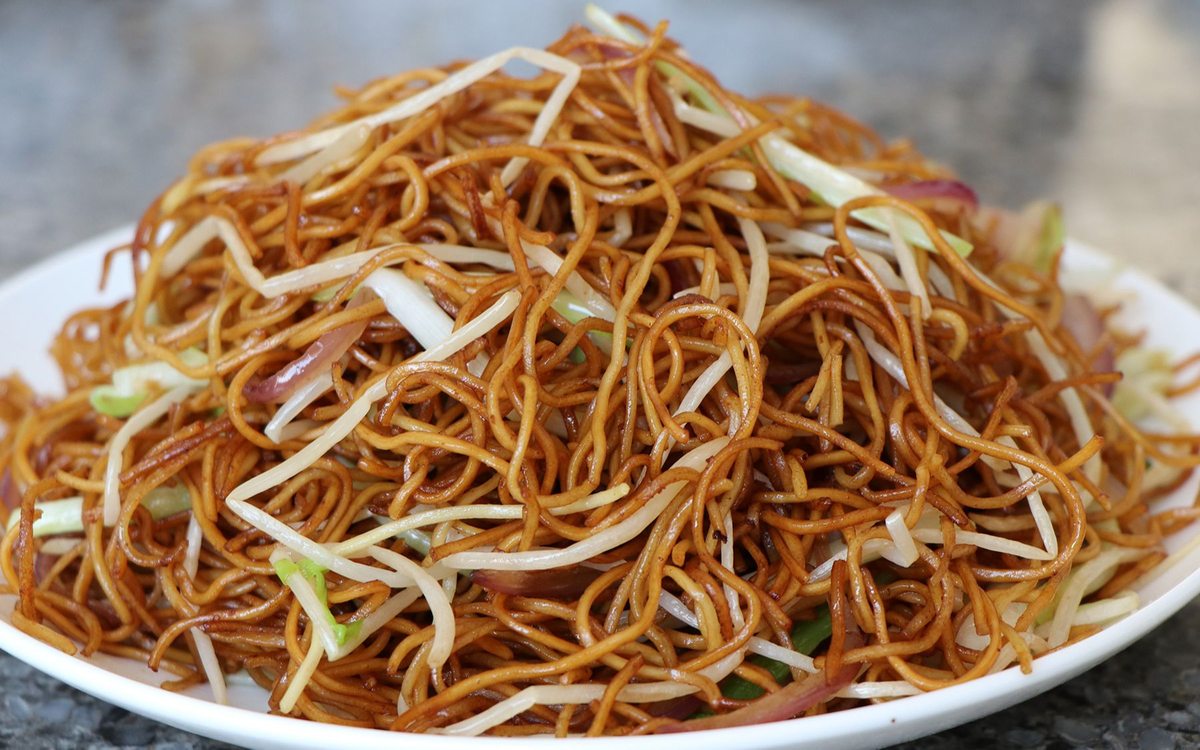
The right chow mein: fresh egg noodles, charred at the edges, slick with dark soy, tossed with bean sprouts and scallion, served in the same three minutes it was cooked. No gravy. No can. No apology.
Chow Mein vs Lo Mein
Two dishes, one confusing menu. If you've ever stood in a takeout line wondering which one to order, this is for you.
| Chow Mein | Lo Mein | |
|---|---|---|
| Shape | Noodles fried, edges crisp | Noodles boiled, then tossed |
| Method | Wok, screaming hot, thrown | Wok, coated in sauce, no char |
| Texture | Crisp outside, chewy inside | Soft, slippery, uniform |
| Flavor | Smoky, soy-forward | Saucier, wetter |
| Origin | Cantonese, wok hei | Cantonese (捞面, lāo miàn) |
| Soul | The fire | The sauce |
The simplest test: drop one noodle on the table. If it leaves a little oil ring and keeps its curl, it's chow mein. If it flops flat and glistens, it's lo mein. Both are good. Only one is fried.
How to Eat It
You eat chow mein fast, and you eat it at night. It's not a dish that waits — the char fades, the oil cools, and ten minutes later you're eating a completely different, lesser thing. Chopsticks, no fork. Pick up a tangle, and don't be dainty about it. There's a reason this is what Shanghai eats at three in the morning: it's fast, it's cheap, and it tastes like the best decision you made all day.
My grandfather used to say the mark of a good 炒面 stall was how far down the street you could smell it before you saw it. He'd know by the time he turned the corner whether he was walking faster. Some smells are directions.
I'll save the home-cooking breakdown for another post. The wok hei — getting your own pan hot enough to char without setting off every smoke detector in the building — that deserves its own deep dive. Recipe coming soon.
💬 Comments