Chongqing Xiaomian: The Bowl Is the Recipe
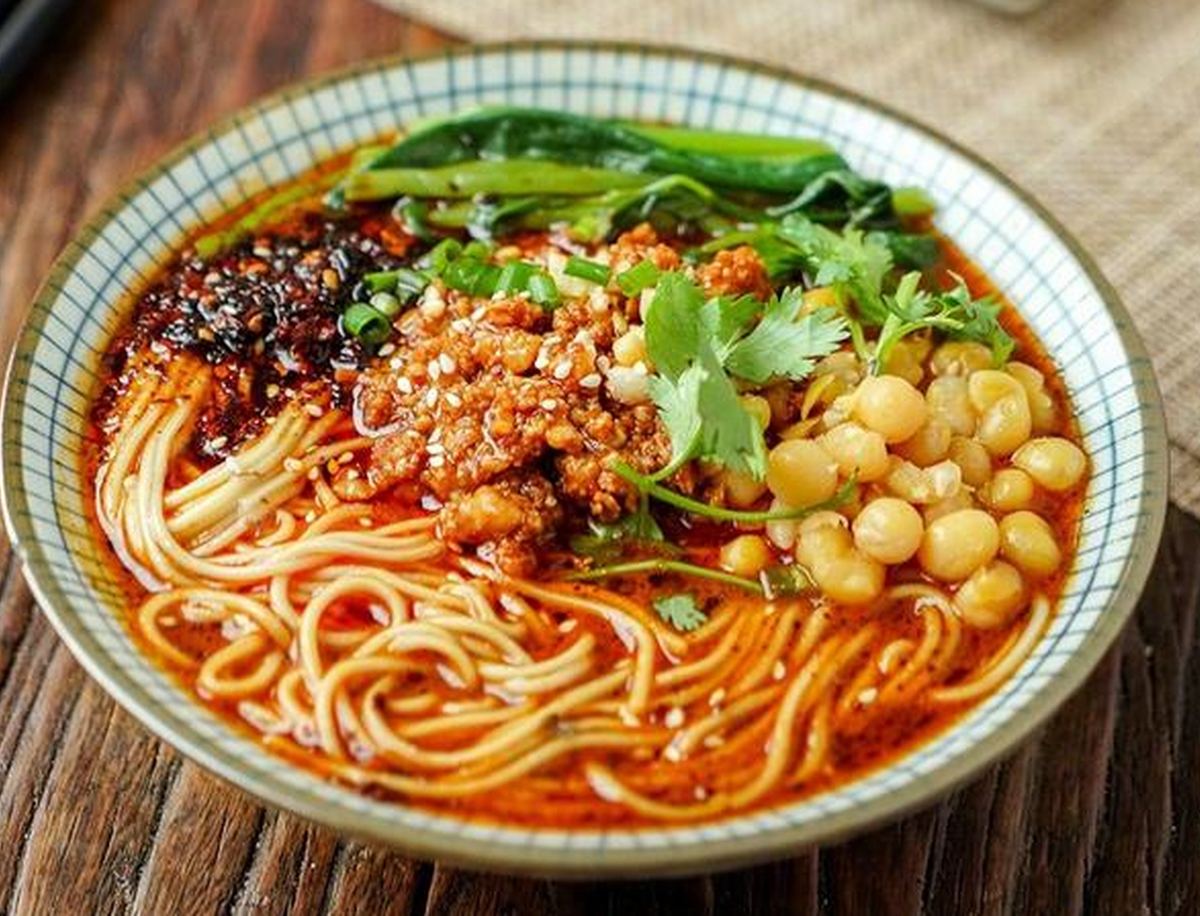
Editor’s Note: This is the kitchen companion to Chongqing Xiaomian: The Two-Ounce Bowl That Runs a City Before Nine. Quantities, temperatures and the failure points are below. Read the technique once before you shop.
Why the Seasoning Goes in Before the Noodles
Chongqing xiaomian is assembled backwards compared with most noodle dishes. Nothing is cooked in a pan. The seasoning goes into an empty bowl, the noodles boil in plain water, and a ladle of that starchy water goes over the seasoning to make the broth. The noodles go in last. From the moment the bowl is built to the moment it is eaten is under two minutes, which is why a stall can serve thirty people between 7 and 8 in the morning.
The order inside the bowl is not arbitrary. Chilli oil with its sediment goes in first, then the soy, vinegar, sesame paste, ground Sichuan pepper, sugar, pickled greens, and lard. Liquids go onto the oil, not the other way round, so the sediment disperses instead of sitting in a clot. The lard matters more than its teaspoon suggests: solid at room temperature, it melts into the hot noodle water and carries the chilli and sesame across every strand. Vegetable oil sits on top and leaves the noodles bare underneath.
The name misleads in a way worth knowing. Xiao means small, but xiaomian are not small noodles. The word describes a plain bowl, noodles and seasoning with nothing on top. Order xiaomian in Chongqing and you get the base. Why this matters: the plain bowl is the reference point, and it is judged on balance alone.
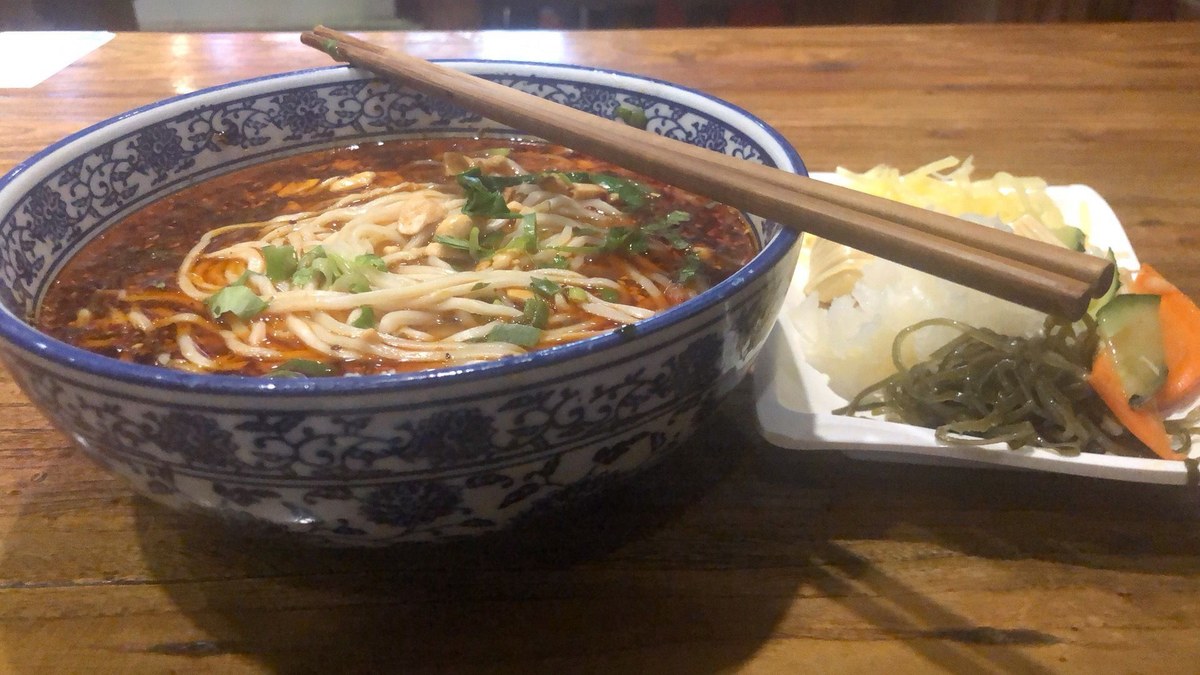
Fresh alkaline noodles, jian shui mian, are the standard: thin, yellow, and springy, with a texture that comes from alkaline salts rather than egg. They take 90 seconds. Dried wheat noodles take three minutes and give a softer bowl. The 100ml of noodle water is not a garnish either. It is the only liquid in the bowl, and it should be starchy enough to turn silky as it hits the sesame paste and lard.
Ingredients
For the bowl seasoning, per bowl
- 2 tbsp (30ml) chilli oil, with the sediment from the bottom of the jar
- 1 tbsp (15ml) light soy sauce
- 1 tsp (5ml) Chinkiang black vinegar
- 1 tsp (5g) Chinese sesame paste, or tahini loosened with water
- 1 tsp (2g) ground Sichuan pepper
- 1 tsp (4g) caster sugar
- 1 tbsp (15g) pickled mustard greens (zha cai), finely chopped
- 1 tsp (5g) lard
- 1 clove garlic (4g), minced, optional
For the noodles and broth
- 200g fresh alkaline noodles (jian shui mian), or 150g dried wheat noodles
- 100ml noodle cooking water, per bowl
- 2 spring onions (30g), greens sliced thin
- 1 tsp (4g) fine salt, for the noodle water
- 1 handful spinach or bok choy (60g), optional
For the add-ons, optional
- 80g braised beef shin, sliced, with 2 tbsp of its braising liquid
- 80g pork mince, fried with 1 tsp sweet bean paste
Substitution notes: If you cannot find fresh alkaline noodles, use 150g of dried wheat noodles and cook them for 3 minutes, but add only 80ml of the cooking water, since dried noodles release less starch and a wet bowl tastes thin. Ramen-style alkaline noodles from the chilled section of an Asian grocer are the closest match.
Lard can be replaced with 1 tsp of rendered chicken fat, which behaves similarly at room temperature. Do not use vegetable oil, it will not carry the aromatics. Sesame paste can be swapped for tahini, but loosen it with 1 tsp of hot noodle water before it goes in the bowl or it will seize into lumps. Zha cai can be replaced with any finely chopped Sichuan pickled vegetable, including the stem ends of pickled mustard.
Prep: Build the Bowl Before the Water Boils
1. Put the pot on (6 minutes)
Fill a wide pot with at least 2.5 litres of water, add the 1 tsp of salt, and bring it to a rolling boil. A big pot matters: the noodles need room or the water turns gluey and the noodles clump.
2. Warm the bowls (2 minutes)
Fill both serving bowls with boiling water and leave them for a minute, then tip the water out. A cold bowl drops the temperature of the noodle water enough that the lard starts to set before you can toss, and the chilli oil congeals at the rim.
3. Lay the seasoning in each bowl (3 minutes)
In this order: 2 tbsp of chilli oil with sediment, 1 tbsp of light soy, 1 tsp of black vinegar, 1 tsp of sesame paste, 1 tsp of ground Sichuan pepper, 1 tsp of sugar, 1 tbsp of chopped pickled greens, and 1 tsp of lard. Add the optional minced garlic now if you are using it. Do not stir yet. The bowl should look like a set of small islands.
4. Prepare the toppings (4 minutes)
Slice the spring onions thin and keep them cold. If you are adding beef or pork, warm it now in a small pan with a spoon of its own liquid, so it goes into the bowl hot rather than tepid. Have the greens picked and washed if you are using them.
Step by Step: 90 Seconds of Cooking
Step 1: Cook the noodles (90 seconds)
Loosen the fresh noodles with your fingers so they are not stuck together, then drop them into the rolling water. Stir once immediately with chopsticks, then again after 30 seconds. At 90 seconds they are done: opaque, springy, and just resistant at the centre. Dried noodles need 3 minutes; check the packet and take them 15 seconds early.
Step 2: Add the greens, if using (30 seconds)
Drop the spinach or bok choy into the same pot for the last 30 seconds. Lift it out with the noodles rather than leaving it behind.
Step 3: Ladle 100ml of noodle water into each bowl (10 seconds)
Use a ladle or a small jug and take the water from the middle of the pot, where it is starchiest. Pour it over the seasoning, then stir once with a spoon so the lard melts and the sesame paste dissolves. The broth should turn a dull, deep red, not bright orange. Why this matters: that starch is the only thing thickening the broth.
Step 4: Lift the noodles in (15 seconds)
Use tongs or a sieve to lift the noodles straight from the pot, shake twice, and lower them into the bowl. Do not rinse them. The starch on the surface is what thickens the broth and helps the chilli oil cling.
Step 5: Top and serve (20 seconds)
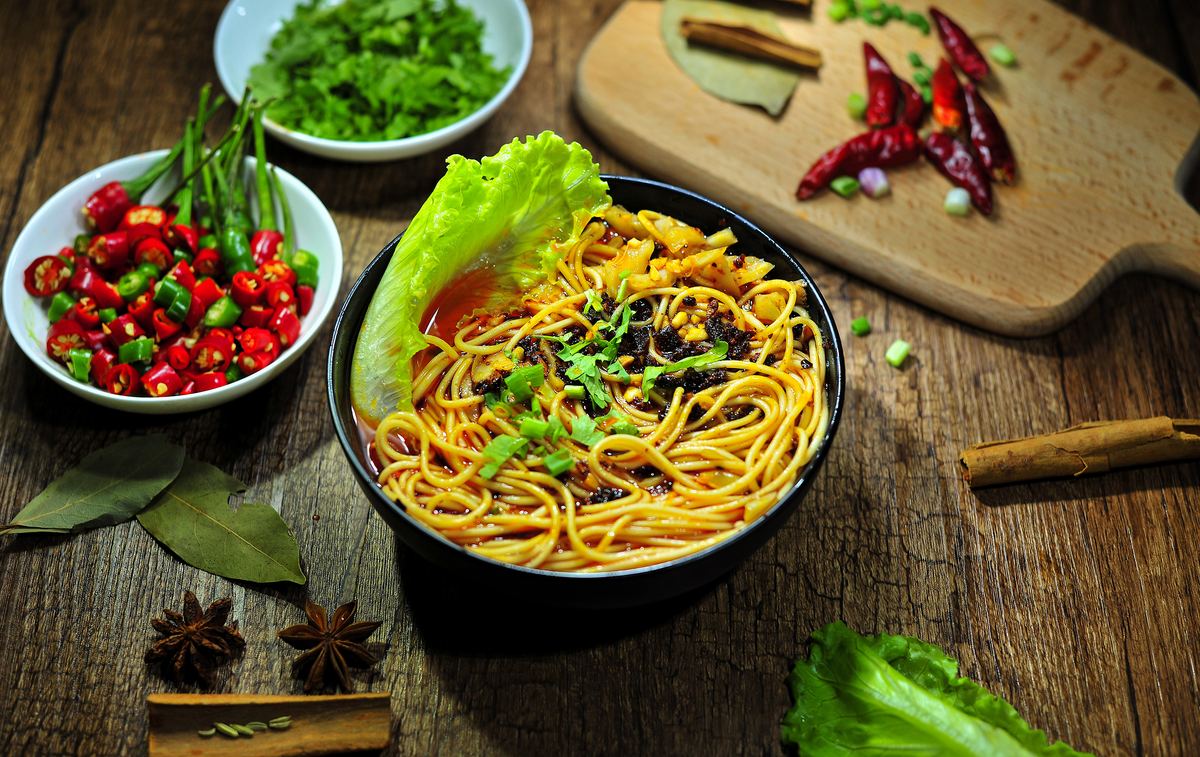
Scatter the spring onion greens over the top, add the braised beef or pork mince if you are using it, and take the bowl to the table immediately. Toss from the bottom at the table, not in the kitchen, so the noodles arrive hot and the aroma of the chilli oil reaches the person eating it.
Step 6: Eat it fast
Xiaomian is a ten-minute dish, including the walk from the stall. Toss, lift, eat. If you let it stand, the noodles drink the broth and the bowl turns into a starchy paste within about four minutes.
Key Pitfalls
The bowl tasted watery despite all the seasoning. Too much noodle water, or water from a pot too small that had gone cloudy with loose starch. Use 100ml from a 2.5 litre pot for fresh noodles, 80ml for dried, and take it before the noodles shed everything.
The chilli oil sat on top and the noodles were plain underneath. The lard was left out or the bowl was cold, so nothing emulsified. Warm the bowl, include the full teaspoon of lard, and stir the broth once before the noodles go in so the fat is already liquid.
The noodles turned soft and gluey in under two minutes. They were boiled too long, or dried noodles were treated like fresh ones. Fresh alkaline noodles are 90 seconds from the moment they go in, dried are about 3 minutes. Set a timer rather than judging by eye.
The sesame paste seized into hard little lumps. It went in as a stiff paste and the hot water hit it all at once. Loosen the teaspoon of paste with a teaspoon of hot noodle water in a cup first, or whisk it into the soy.
The bowl tasted bitter at the back of the throat. The chilli oil was made with scorched flakes, or the ground Sichuan pepper was old and had gone harsh. Use oil with sediment that smells of toasted chilli rather than a hot pan, and grind the pepper fresh.
The broth went cold before the second bowl was ready. You built both bowls and then cooked both batches. Build one bowl, cook one portion, serve it, then build the second. The dish is finished within 20 seconds of the water going in.
The pickled greens overwhelmed everything. They were chopped too coarse or not rinsed. Zha cai is very salty; rinse briefly, squeeze dry, and chop to 3mm so it distributes through the bowl instead of arriving in bitter bursts.
Serving Suggestions
Eat xiaomian at 7am, which is when Chongqing does. It is a working breakfast: cheap, fast, hot, and salty enough to wake you up, sold from shopfronts that open at six and close by mid-morning once the pots are empty. Order it as er liang xiao mian, two liang or about 100g of noodles, or san liang for 150g if you are hungry. To add beef, say jia niu rou; for pork mince, jia za jiang. Both turn the plain bowl into something closer to a lunch dish, and both cost extra.
Drink cold soy milk or plain tea. In Chongqing the default is a bowl of doujiang alongside, sweet or savoury, and the sweetness is a deliberate contrast to the chilli. There is no leftover strategy: 200g of fresh noodles for two is the right amount. If you keep chilli oil in the fridge, bring it to room temperature and stir the jar before spooning, since the sediment is the point of the first tablespoon.
This is the companion recipe to Chongqing Xiaomian: The Two-Ounce Bowl That Runs a City Before Nine. Read the story, then cook the dish.
💬 Comments