Chinese Spices 101: The Eight Spices That Define a Thousand Dishes
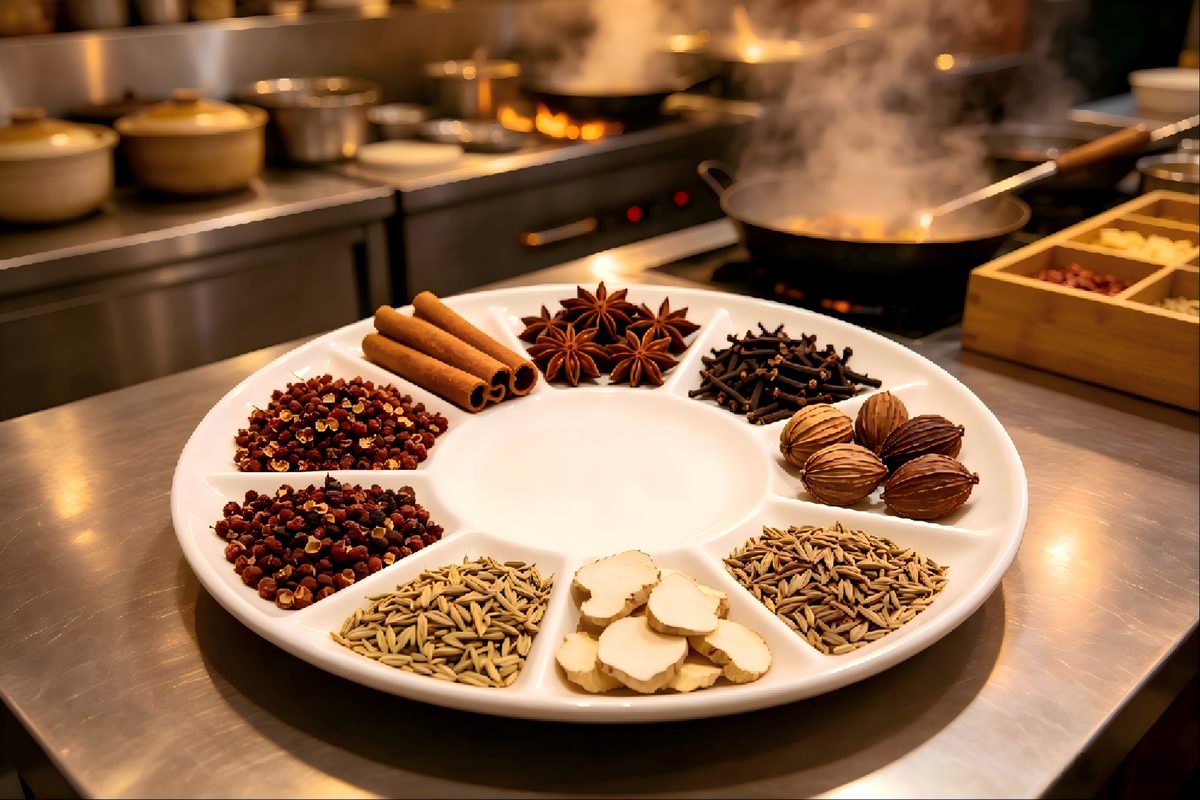
As an Amazon Associate, I earn from qualifying purchases. I might also be one of the few Amazon affiliates who will tell you not to buy everything on this page. Some of these spices never appear in Western cooking. Many Chinese home kitchens don't stock all eight. I only know them because my mother-in-law runs a braised food shop — I'd help out on weekends, standing over her spice cabinet, learning which jar does what. Unless you're building a spice collection for the joy of it, or satisfying a genuine curiosity about Chinese ingredients, you don't need to buy all of these to cook Chinese food at home. That said — if you read through this list and realize you've already used every single one, I tip my hat. You're not a beginner. You're a master.
Here is a thing that happens to every Western cook who walks into a Chinese grocery store for the first time: they find the spice aisle, see a bag labeled "sand ginger," and experience a brief but genuine existential crisis. Is it sand? Is it ginger? Why is it both? And why are there forty-seven other things next to it that they've never heard of?
This is the third installment in our kitchen series. In the first, we covered the eleven pantry sauces you actually need. In the second, we covered the wok — the one pan that replaces half your cookware. Today we're going into the spice cabinet. But before you panic: you don't need forty-seven spices. You need eight. And three of them — star anise, Sichuan peppercorn, and five-spice powder — were already in your pantry guide. Today we go deeper, into the whole spices that sit in jars on your counter and get dropped into braises, crushed into marinades, and dry-toasted until the kitchen smells like a Chengdu night market.
The Big Eight
Chinese cooking uses a lot of spices, but the vast majority of home-style dishes draw from a surprisingly small set. These eight are the workhorses. Master them and you've mastered ninety percent of Chinese spicing.
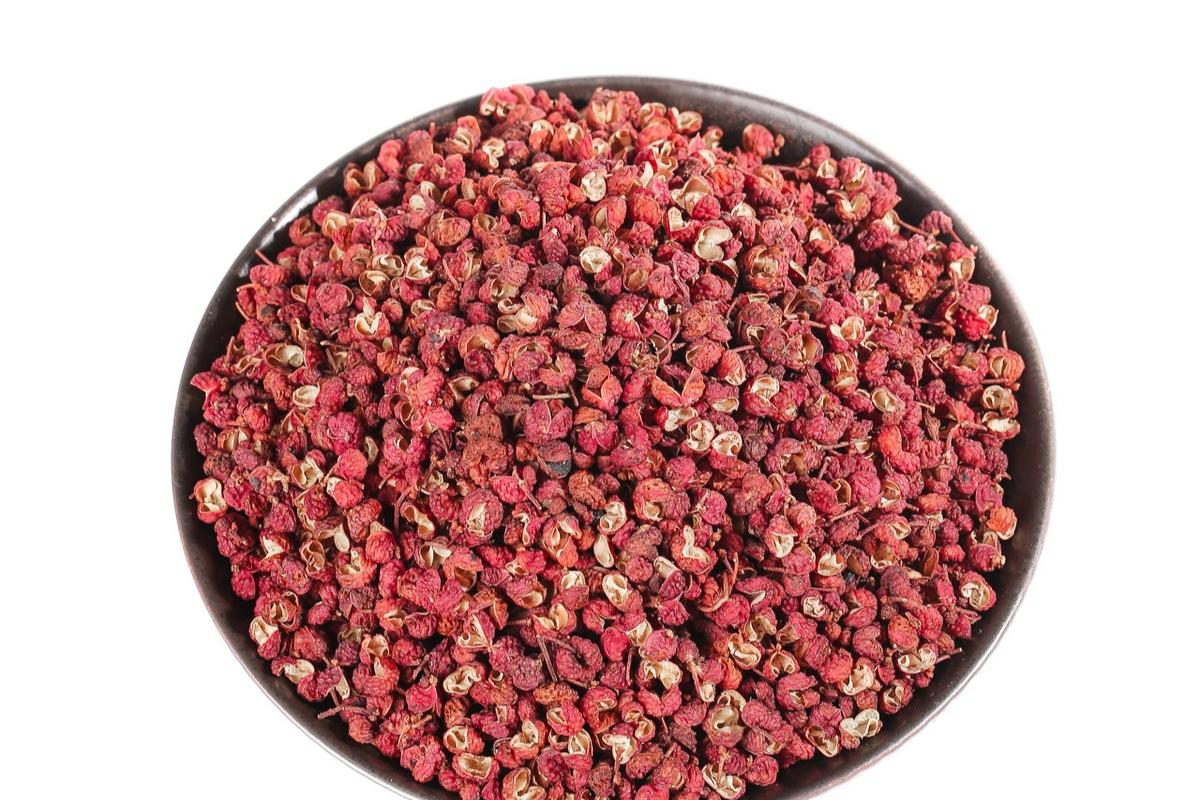
1. Sichuan Peppercorn (花椒)
We covered this in the pantry guide, but it belongs here too. Sichuan peppercorns are the dried husks of the prickly ash shrub. They don't produce heat — they produce má, a tingling, buzzing numbness that feels like your tongue is receiving a low-voltage current. Combined with chili heat, it creates málà, Sichuan cuisine's signature one-two punch.
How to use: Toast whole peppercorns in a dry pan until fragrant (about thirty seconds), then grind in a mortar or spice grinder. Pre-ground peppercorn powder loses its numbing power within weeks. Buy whole and grind as you go.
Goes with: Mapo tofu, kung pao chicken, twice-cooked pork, dan dan noodles, Sichuan boiled fish. Any Sichuan dish that matters.
No substitute. There is genuinely nothing else on earth that does what Sichuan peppercorn does. If a recipe calls for it and you don't have it, you're making a different dish.
Buy Sichuan Peppercorns on Amazon →
2. Star Anise (八角)
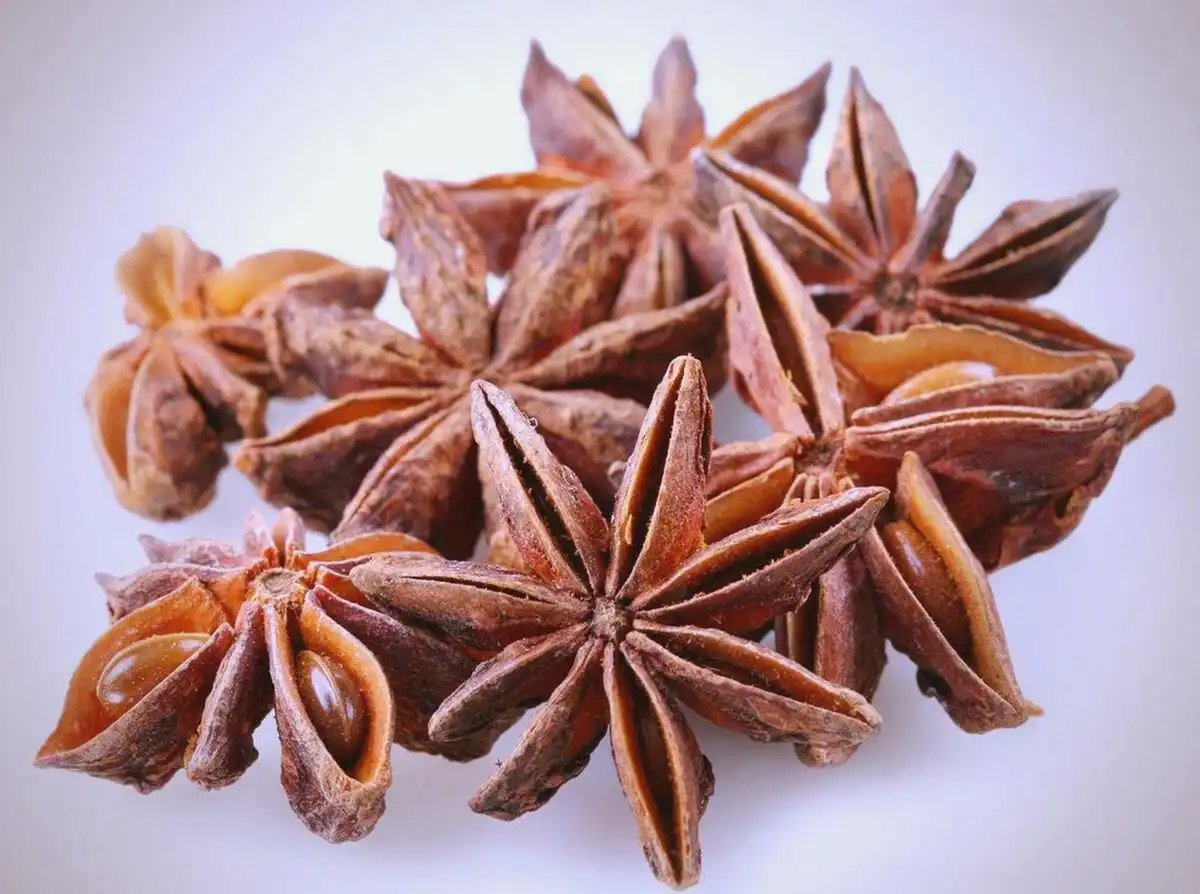
The eight-pointed star that smells like licorice and Christmas. Star anise is to Chinese braising what bay leaves are to French stews: you drop them in whole, let them infuse for hours, and fish them out before serving. The flavor is warm, sweet, and slightly medicinal — it's the backbone of five-spice powder and the defining note in hong shao rou (red-braised pork belly).
How to use: Drop one or two whole stars into a braise. Don't break them — the seeds inside each point are where the flavor lives, and you want them to release slowly over hours, not all at once. Too much star anise makes food taste like cough syrup; one pod is usually enough for a pot that serves four.
Goes with: Red-braised pork, beef noodle soup, soy sauce chicken, tea eggs, master stock. Any long-cooked meat dish.
Substitute: There isn't a perfect one. Fennel seed plus a tiny pinch of clove gets you in the neighborhood. But star anise is cheap and lasts forever — just buy it.
3. Cassia Cinnamon (桂皮)
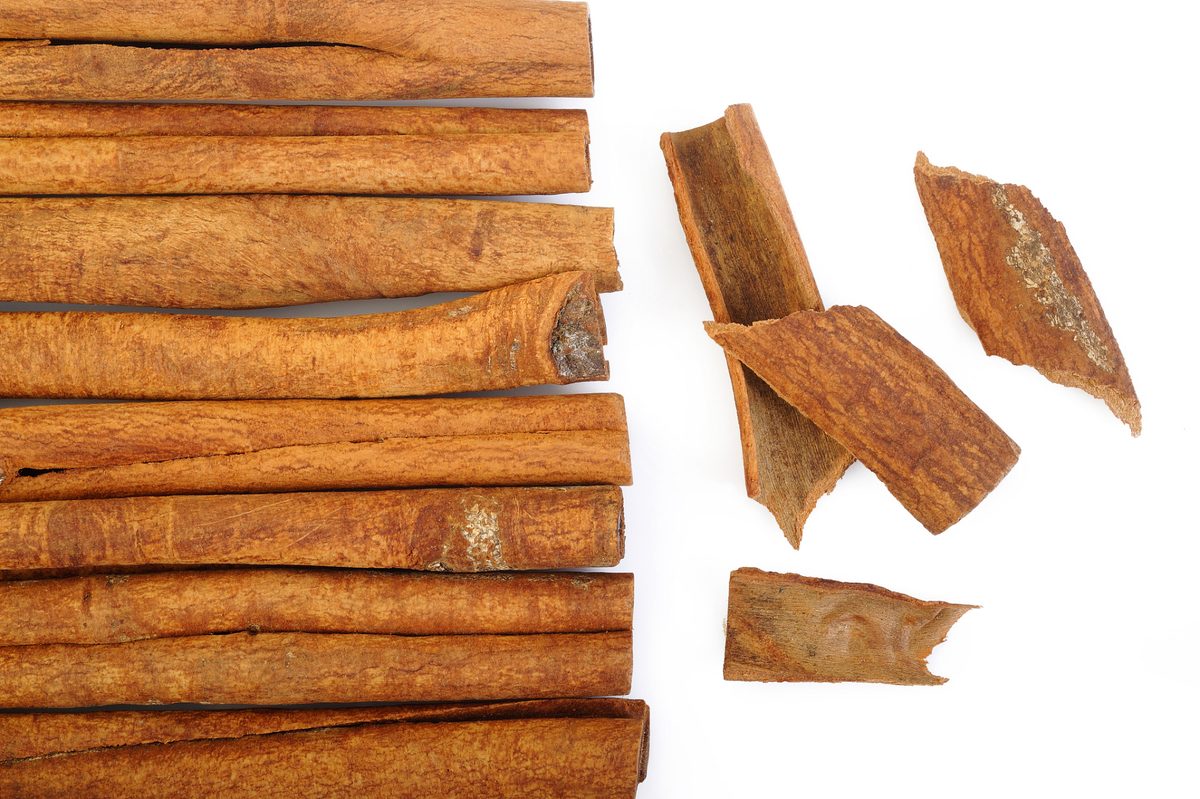
This is where things get confusing. What Chinese cooks call "cinnamon" is not the same thing Americans sprinkle on toast. It's cassia — a thicker, rougher, more intensely flavored bark from a related but different tree. Cassia is what's sold as "cinnamon" in most American grocery stores anyway (true Ceylon cinnamon is the pale, papery, expensive one), so you may already have it.
The difference matters in cooking. Cassia holds up to long braises without disappearing. True cinnamon would dissolve into nothing after two hours in a pot. Cassia is louder, warmer, slightly more bitter — it doesn't whisper. It announces.
How to use: Drop a piece of the bark — about two inches, roughly the size of a credit card — into your braise. It looks like a rolled-up scroll of tree bark. That's correct. Don't use ground cinnamon; the texture turns muddy in liquid.
Goes with: Red-braised pork, master stock, beef noodle soup, five-spice blends, any Chinese braise.
Substitute: The "cinnamon sticks" in your American pantry are probably cassia. Use them.
Buy Cassia Cinnamon on Amazon →
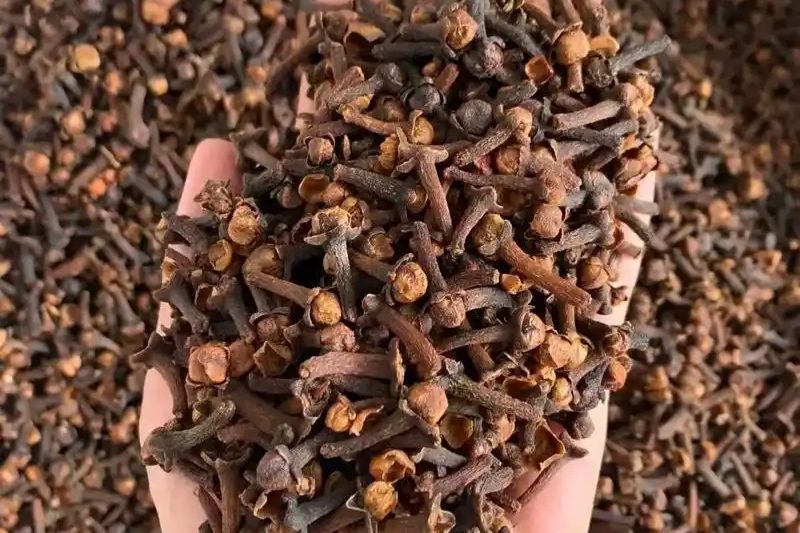
4. Cloves (丁香)
Cloves are the spice that punishes excess. One clove adds warmth and depth. Two cloves are a statement. Three cloves and your dish tastes like a dentist's office. If star anise is a bass line, clove is a cymbal crash — powerful, easy to overdo, essential in small doses.
In Chinese cooking, cloves are almost never used solo. They're part of a team — always accompanied by star anise and cassia — and their role is to cut through the richness of braised meat with that sharp, almost numbing high note. A single clove goes a long way. Respect it.
How to use: Drop one or two whole cloves into a braise for a large pot. Do not bite into a whole clove in the finished dish — the concentrated oil is overwhelming. Fish them out before serving, or warn your guests.
Goes with: Master stock, soy sauce chicken, red-braised pork, spiced corned beef.
Substitute: Allspice, used sparingly. It won't taste the same, but it fills a similar structural role in a spice blend.
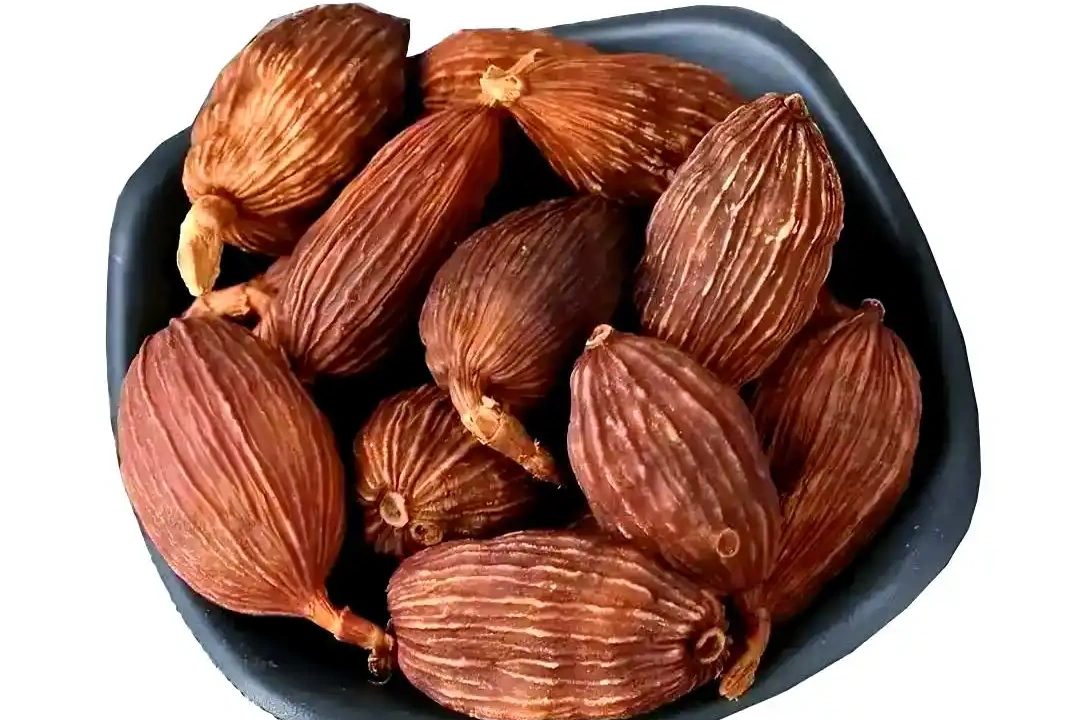
5. Black Cardamom / Tsaoko (草果)
If you've eaten Yunnan-style crossing-bridge noodles or an especially good bowl of beef noodle soup and couldn't identify one of the flavors — something smoky, earthy, almost camphor-like — that was probably tsaoko. It's the secret-weapon spice of southwestern Chinese cooking, and it's criminally underrated in English-language Chinese food writing.
Tsaoko is a large, wrinkled black pod about the size of a grape. It's related to green cardamom but tastes nothing like it. Tsaoko is smoky, resinous, almost pine-like — think lapsang souchong tea meets black cardamom meets wood smoke. It adds a depth to braised meats that you can't get from any other spice.
How to use: Crack the pod open with the flat of your knife before adding it to a braise. One pod is enough for a large pot.
Goes with: Beef noodle soup, Yunnan-style braises, spicy hot pot broth, master stock.
Substitute: Black cardamom (the Indian kind). Not the same, but closer than anything else. If you can't find either, skip it — tsaoko adds complexity but isn't load-bearing in most recipes.
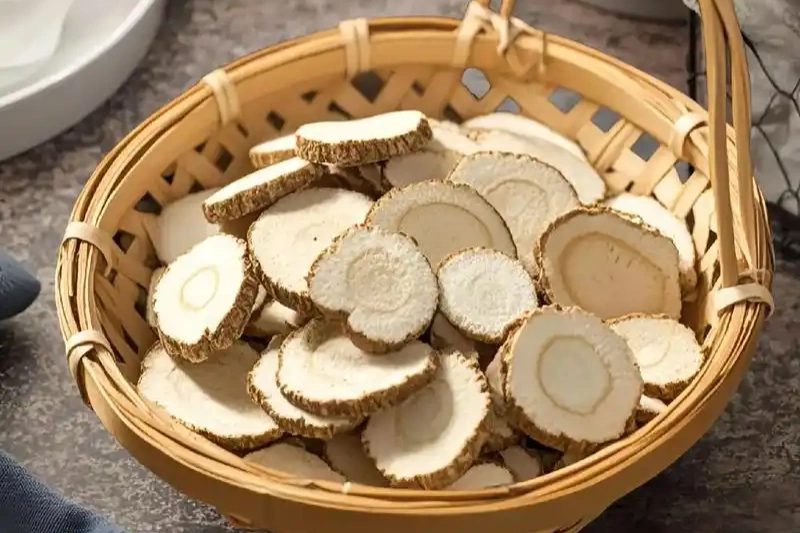
6. Angelica Root / Bai Zhi (白芷)
This is the spice you've never heard of that your favorite Chinese restaurant uses in everything. Bai zhi is a slice of dried root, pale ivory in color, that looks like a pressed autumn leaf. Its job is simple and specific: it removes undesirable smells from meat.
In Chinese cooking, the concept of "removing gamey odor" is as fundamental as seasoning. Lamb, duck, and certain cuts of pork have strong smells that Western cooking sometimes masks with aggressive seasoning or marinades. Chinese cooking takes a different approach: add something that chemically neutralizes those volatile compounds. Bai zhi does this beautifully. It doesn't add much flavor of its own — it subtracts the bad ones.
How to use: Add a slice or two to lamb stew, duck braises, or pork rib soup. It looks like a dried mushroom slice. It is not. Don't eat it — fish it out before serving.
Goes with: Lamb stew, duck soup, pork rib soup, any dish where animal funk is an issue.
Substitute: Ginger does some of the same work, though less effectively. If you can't find bai zhi, increase the ginger and add a splash of Shaoxing wine.
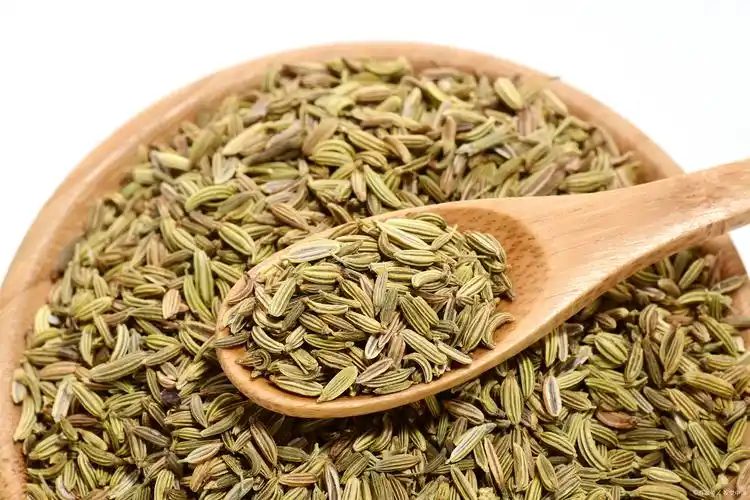
7. Fennel Seed (小茴香)
Fennel seed is the quiet backbone of northern Chinese cooking. It shows up in dumpling fillings, where its gentle anise-like sweetness balances the savory pork and cabbage. It shows up in five-spice powder, where it provides the round middle note between the sharper star anise and cassia. And it shows up in lamb dishes all across the northern provinces, because fennel and lamb are one of those pairings — like tomato and basil, like ginger and scallion — that just works.
Chinese fennel seeds are slightly smaller and greener than the ones in Western grocery stores, but the difference is marginal. Use what you have.
How to use: Toast briefly in a dry pan to wake up the oils, then grind or use whole. In dumpling fillings, crush them lightly with a mortar to release the flavor without leaving whole seeds that crunch between your teeth.
Goes with: Dumpling fillings, lamb skewers, five-spice powder, braised fish, northern-style pancakes.
Substitute: Anise seed (not star anise — the small green seeds). It's sweeter but plays the same role.
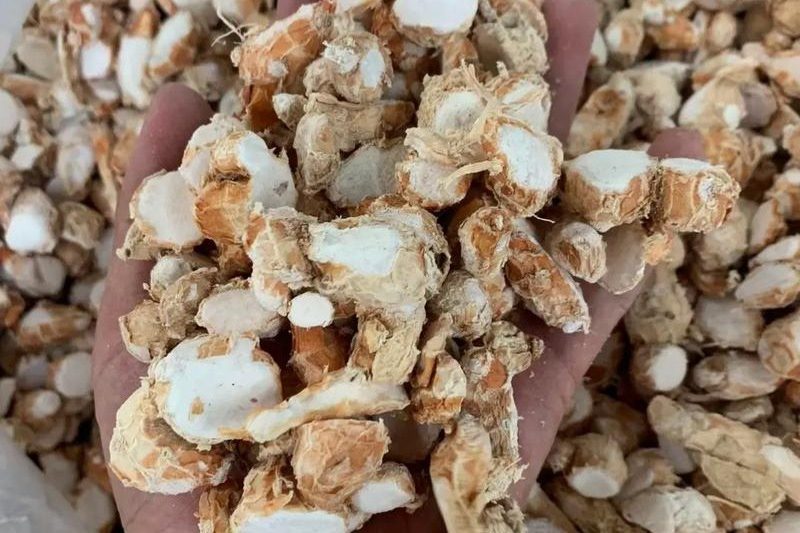
8. Sand Ginger / Shan Nai (沙姜/山奈)
This is the "sand ginger" that caused the existential crisis in the grocery aisle. It is neither sand nor ginger. It's the dried rhizome of a plant in the ginger family, but it tastes nothing like the fresh ginger you buy in the produce section. Sand ginger is pungent, almost peppery, with a distinctive aroma that's hard to describe — imagine a cross between galangal and black pepper with a faint camphor note.
Sand ginger's most famous application is the dipping sauce for Cantonese white-cut chicken: minced sand ginger, scallions, and hot oil, spooned over poached chicken. It's also used in some versions of char siu marinade and in the spice blends for Cantonese roast duck. Outside of southern China it's less common, but it's a non-negotiable ingredient in authentic Cantonese cooking.
How to use: Usually minced or pounded into a paste for sauces, or sliced thinly and added to marinades. A little goes a long way — start with a quarter teaspoon of the powder or a single thin slice of the dried root.
Goes with: White-cut chicken dipping sauce, char siu marinade, Cantonese roast duck, some versions of salt-baked chicken.
Substitute: Galangal, used sparingly. It's stronger and more citrusy but occupies a similar niche. If you can't find either, skip it — sand ginger is essential for a few specific Cantonese dishes but irrelevant to most home cooking.
How to Use Whole Spices
There are three basic techniques, and knowing which to use is half the battle.
Dry toasting: Put whole spices in a dry pan over medium heat. Shake or stir constantly. In thirty to sixty seconds, they'll start to smell intensely fragrant. Remove immediately — they go from toasted to burnt in about five seconds. Toasting wakes up the essential oils and adds a layer of smoky depth you can't get any other way. Use this method when the spices will be ground and added to a marinade, a dry rub, or the oil at the start of a stir-fry.
Blooming in oil: Heat oil in your wok, add whole spices, and fry for ten to fifteen seconds before adding other ingredients. The oil extracts fat-soluble flavor compounds faster and more completely than water ever could. This is the standard start to most Sichuan dishes.
Direct into liquid: Drop whole spices straight into a braise or soup. They'll infuse slowly over hours. No pre-toasting needed — the prolonged cooking time does the extraction work. This is how master stocks and braises work.
What You Can Safely Skip
Chinese spice aisles contain multitudes. Here's what you don't need — yet.
- Amomum / Sha Ren (砂仁): A dried seed pod used in some southern braises. Mild, slightly cardamom-like. You don't need it.
- Galangal / Liang Jiang (良姜): Sharper and more citrusy than ginger. Used in some Thai and southern Chinese dishes. Sand ginger covers similar ground.
- Nutmeg (肉豆蔻): Yes, nutmeg shows up in some Chinese braises. The difference between "with nutmeg" and "without nutmeg" is something only professional chefs can detect. Skip.
- Licorice Root (甘草): Adds sweetness to master stocks. Rock sugar does the same thing and is already in your pantry.
- Dried Tangerine Peel / Chen Pi (陈皮): Aged citrus peel, used in a handful of Cantonese classics. Wonderful ingredient, zero urgency. Buy it when a recipe specifically demands it.
- Thirteen-Spice Powder: Five-spice with eight more things added. Not better, just more. Start with five-spice.
The eight spices above — plus a bag of dried chilies, which we'll cover in a future guide — are enough for every Chinese dish a home cook is likely to attempt. You can spend years exploring the others, and you should, eventually. But you won't be limited without them.
Where to Buy
Whole spices are infinitely better than pre-ground. They last longer — whole spices stay potent for a year or more, while ground spices lose their edge in months. They give you control — you decide how fine to grind, whether to toast first, how many to use. And they're often cheaper by weight than the ground versions.
Everything on this list is available online. Buy small quantities — a two-ounce bag of most whole spices will last a home cook six months to a year. Don't buy in bulk unless you're opening a restaurant.
Next: Chinese Vinegars — why Chinkiang vinegar isn't the only one you need, and how three bottles cover every use case from dipping sauce to braise.
💬 Comments