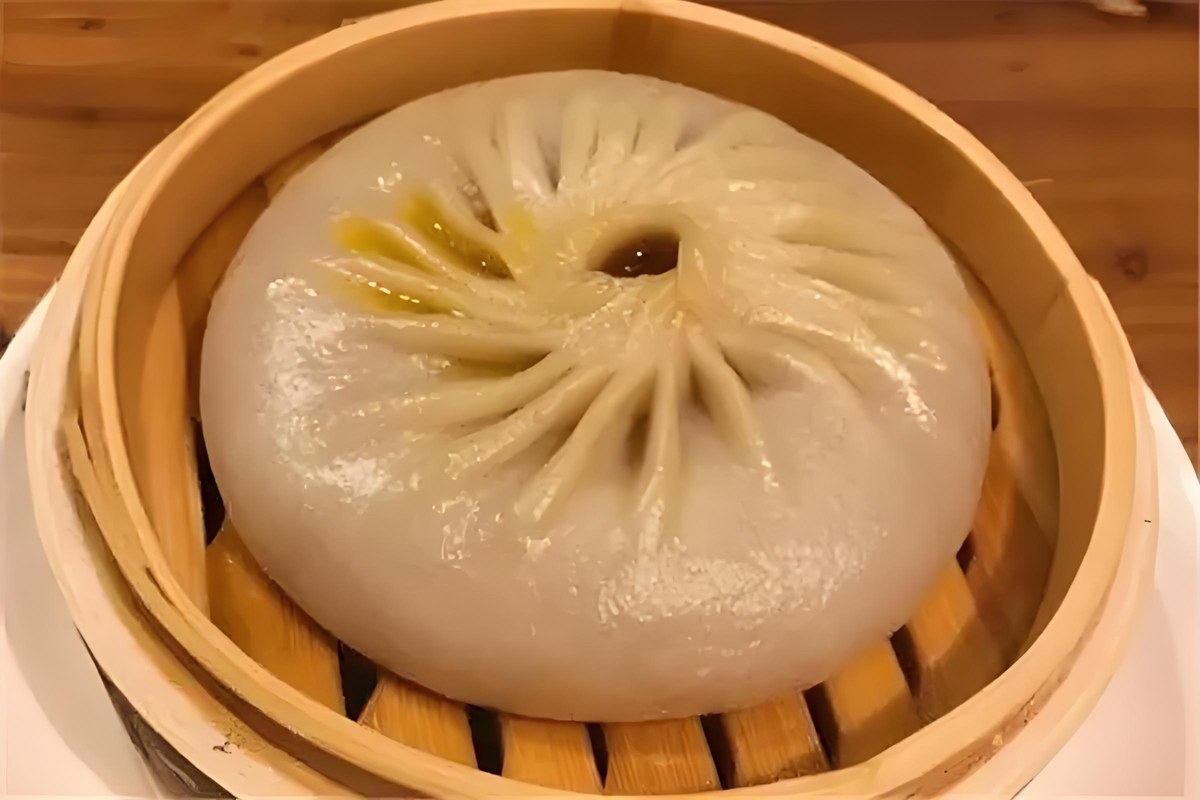
Crab Roe Soup Dumpling: The One You Drink Through a Straw
A fist-sized dumpling of pork-skin jelly and hand-picked crab roe arrives with a straw — ten scalding seconds of amber soup, then the skin.
Stories, practical guides, and honest opinions about the food and drinks China actually lives by. From a Shanghai native who spent 13 years in big tech and came home to the kitchen.
Explore the 109 Dishes of China →62 of 109 dishes published — a visual journey through China's most iconic dishes
A fist-sized dumpling of pork-skin jelly and hand-picked crab roe arrives with a straw — ten scalding seconds of amber soup, then the skin.
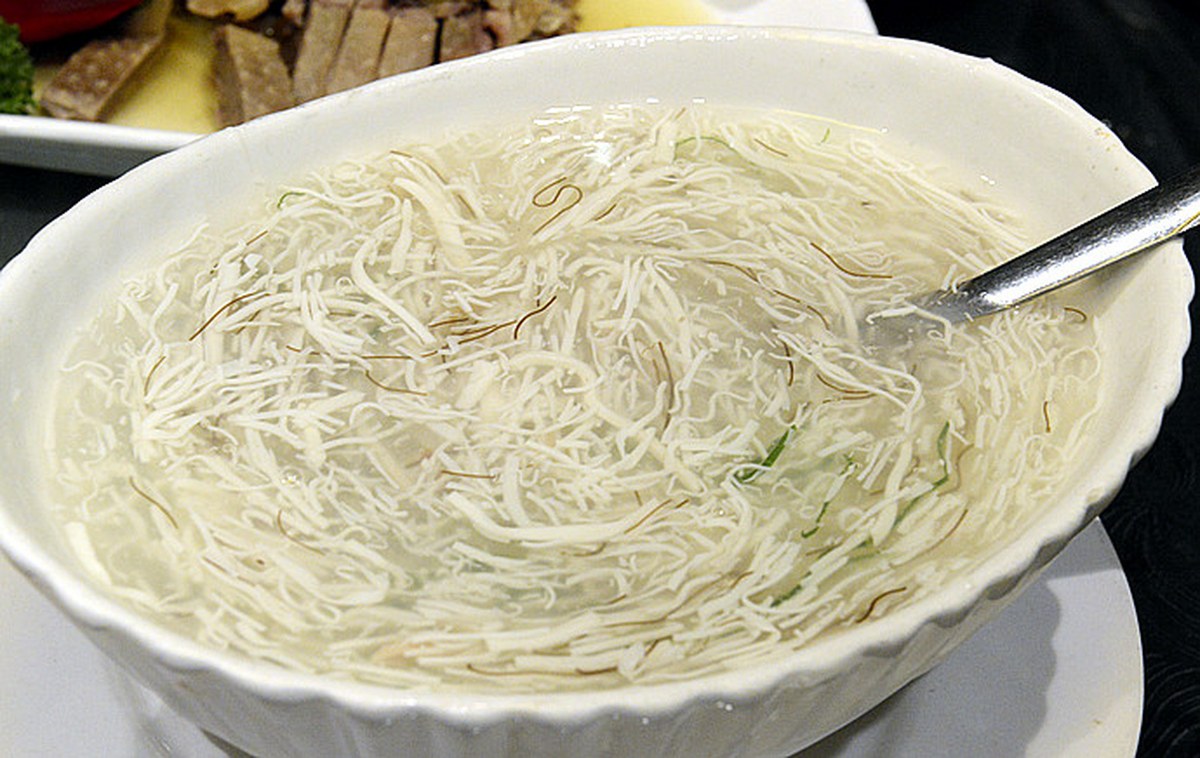
A block of silken tofu cut into thousands of hair-thin threads and floated in a broth so clear you can read the bowl through it. The quietest show of skill in Chinese cooking.
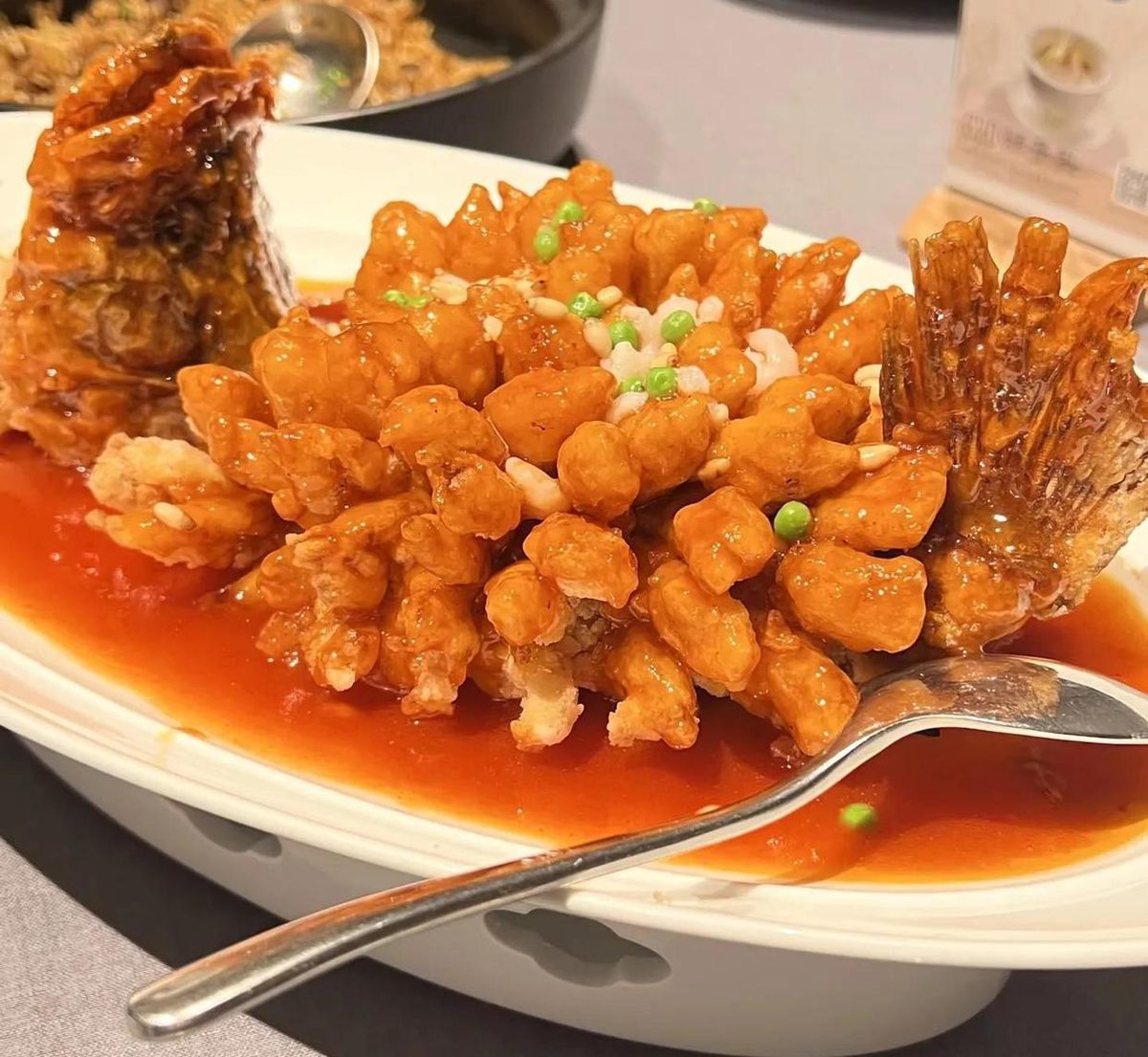
A whole mandarin fish scored into diamonds, flash-fried until the flesh puffs like fur, then hit with a sweet-sour sauce that hisses when it lands.
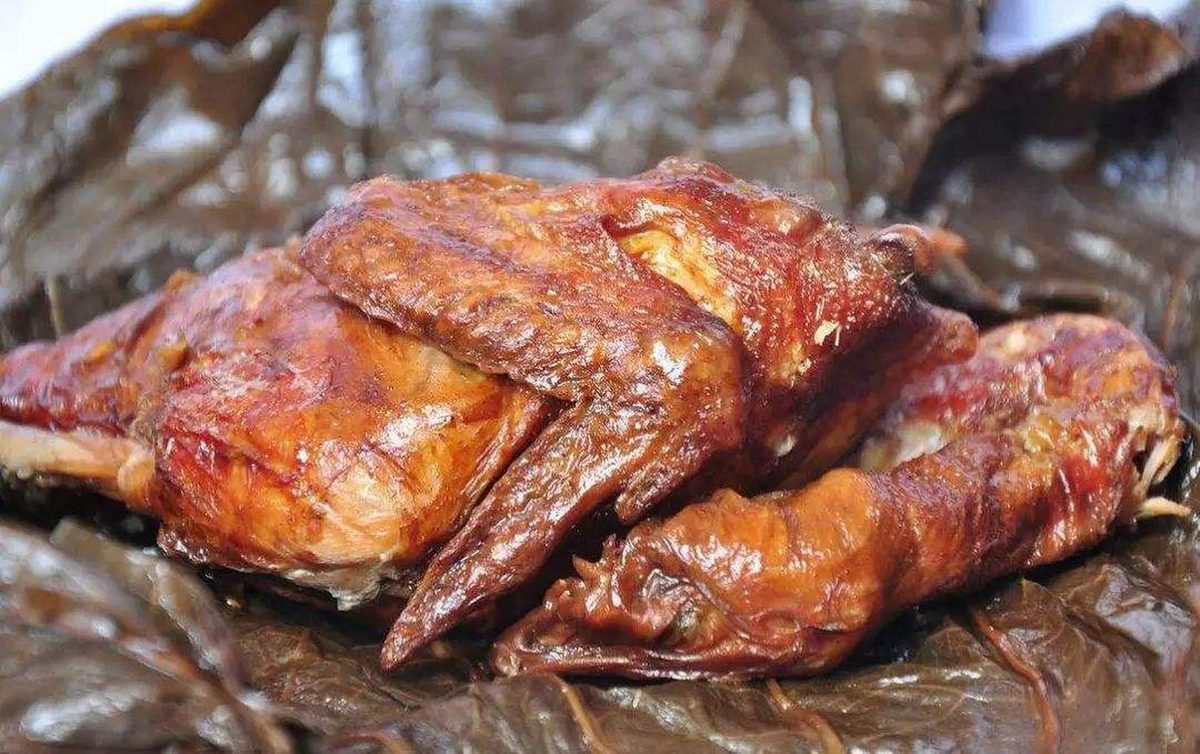
A whole chicken wrapped in lotus leaves, sealed inside river clay, baked for hours, then cracked open with a mallet at the table. The smell arrives before the meat does.
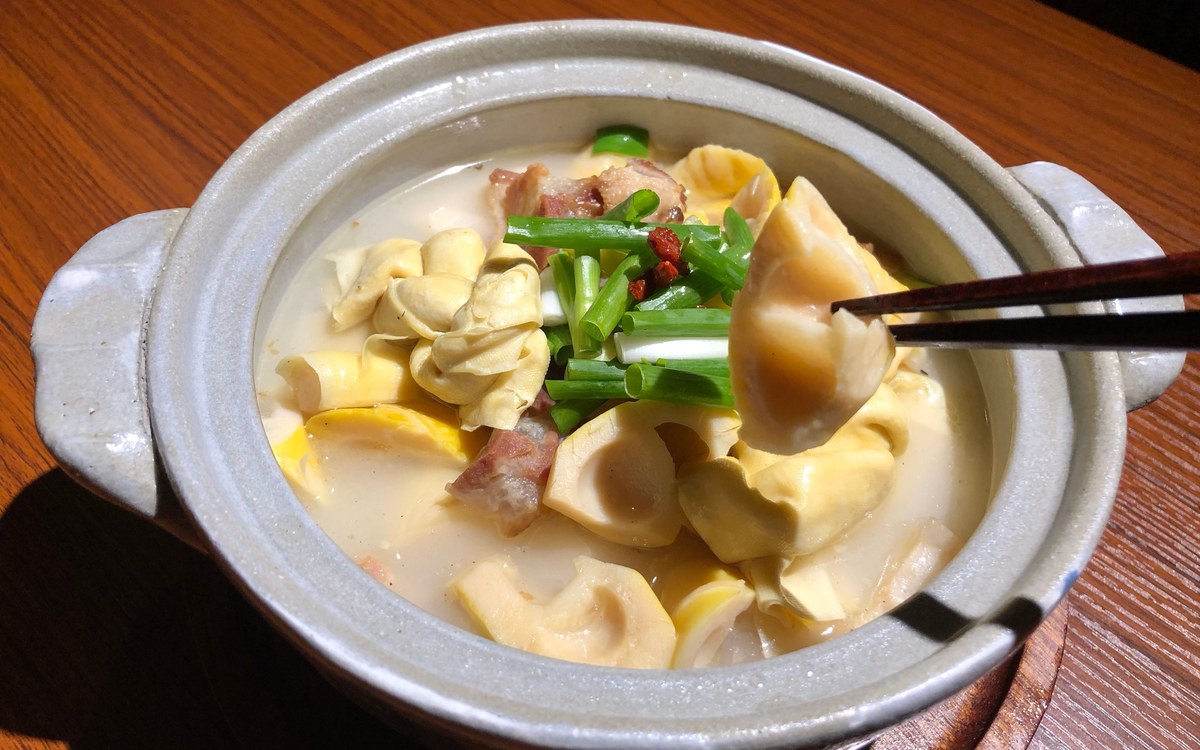
Salt pork, fresh pork and spring bamboo shoots simmering so quietly the pot only says duk — a broth the color of weak tea that tastes like the first warm week of March.
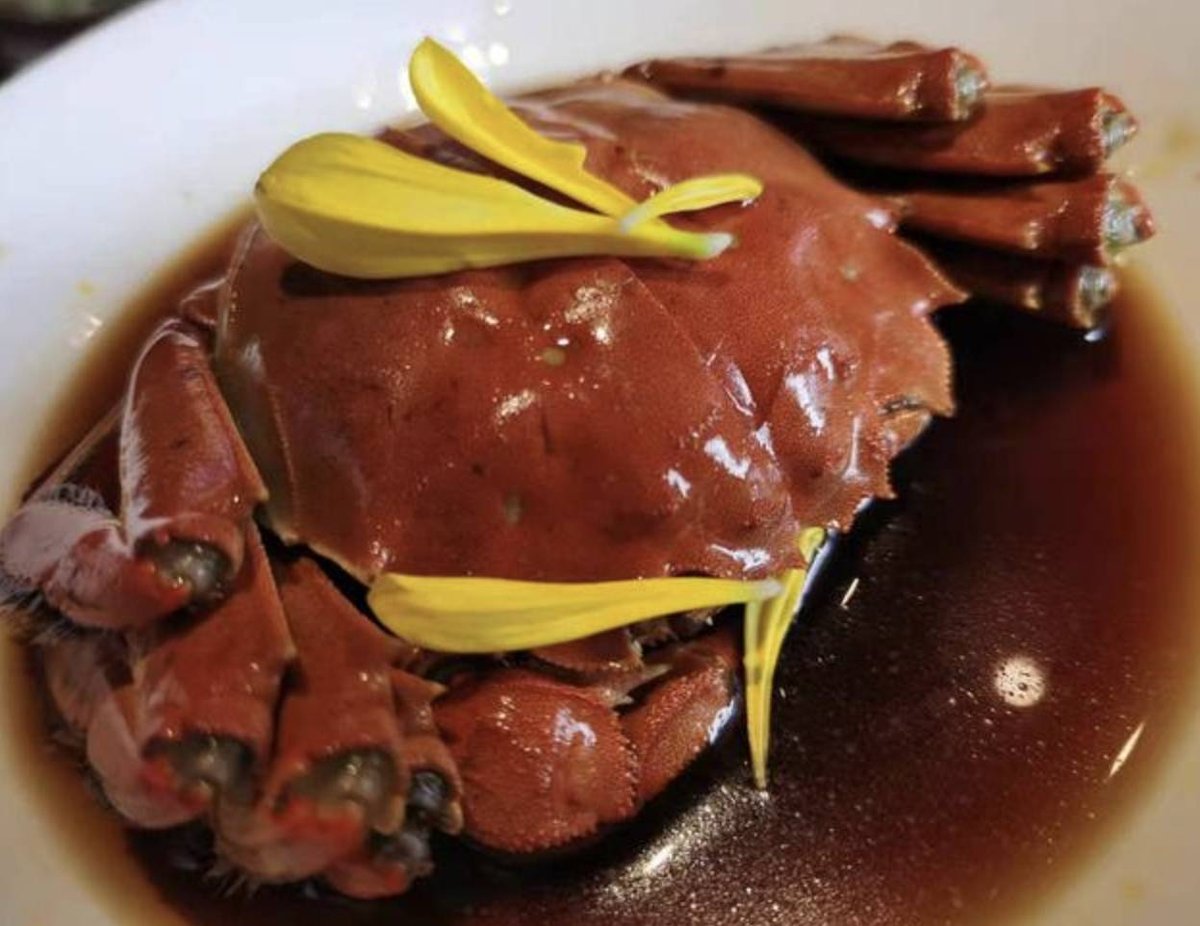
A jar of dark amber liquid with crabs half-submerged in it, rice wine and star anise coming off the lid — a mitten crab cured for nine days, its flesh turned firm and translucent, its roe dense as cured yolk.
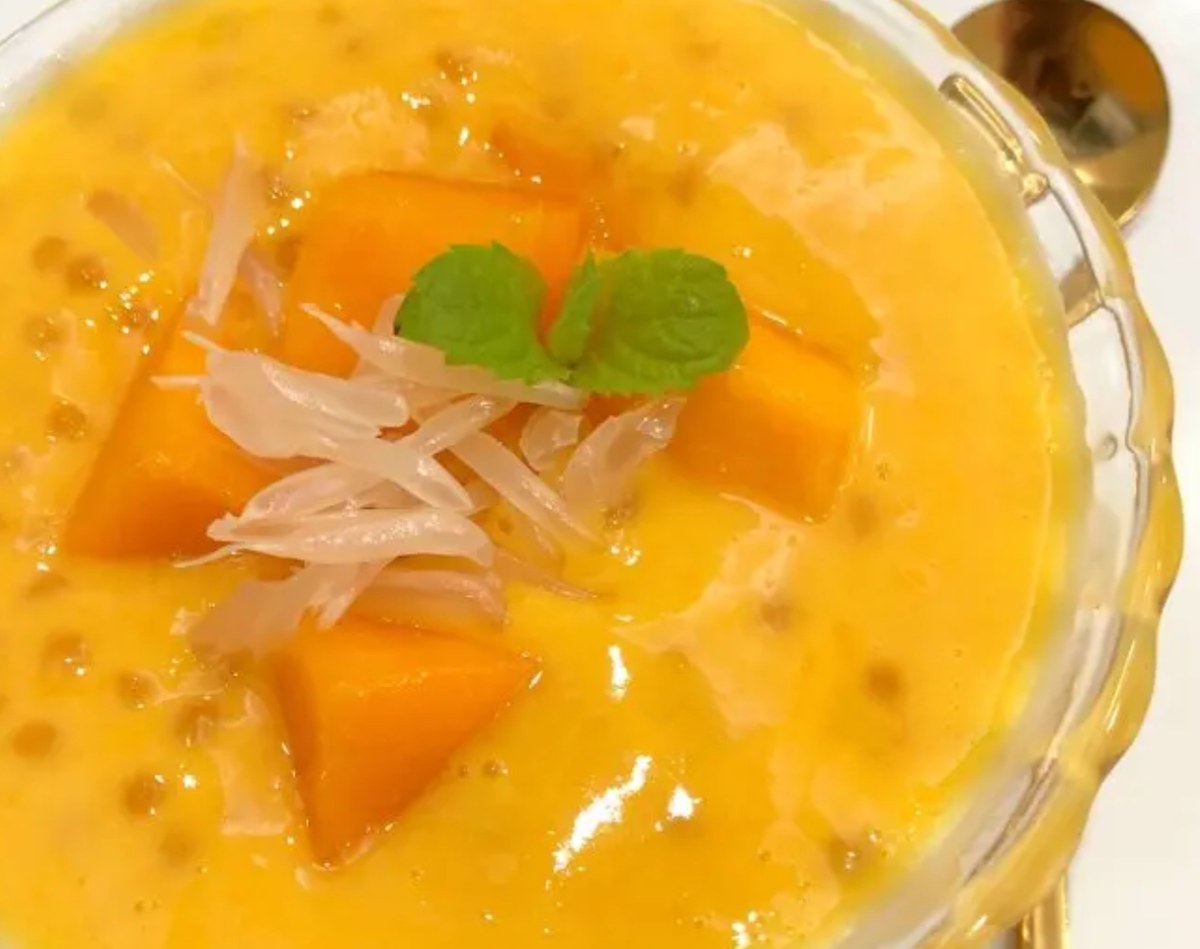
A cold bowl of pale gold, silky mango cream, springy sago pearls, and pomelo that pops sweet before it turns bitter — Hong Kong's dessert is four ingredients and only forty years old.
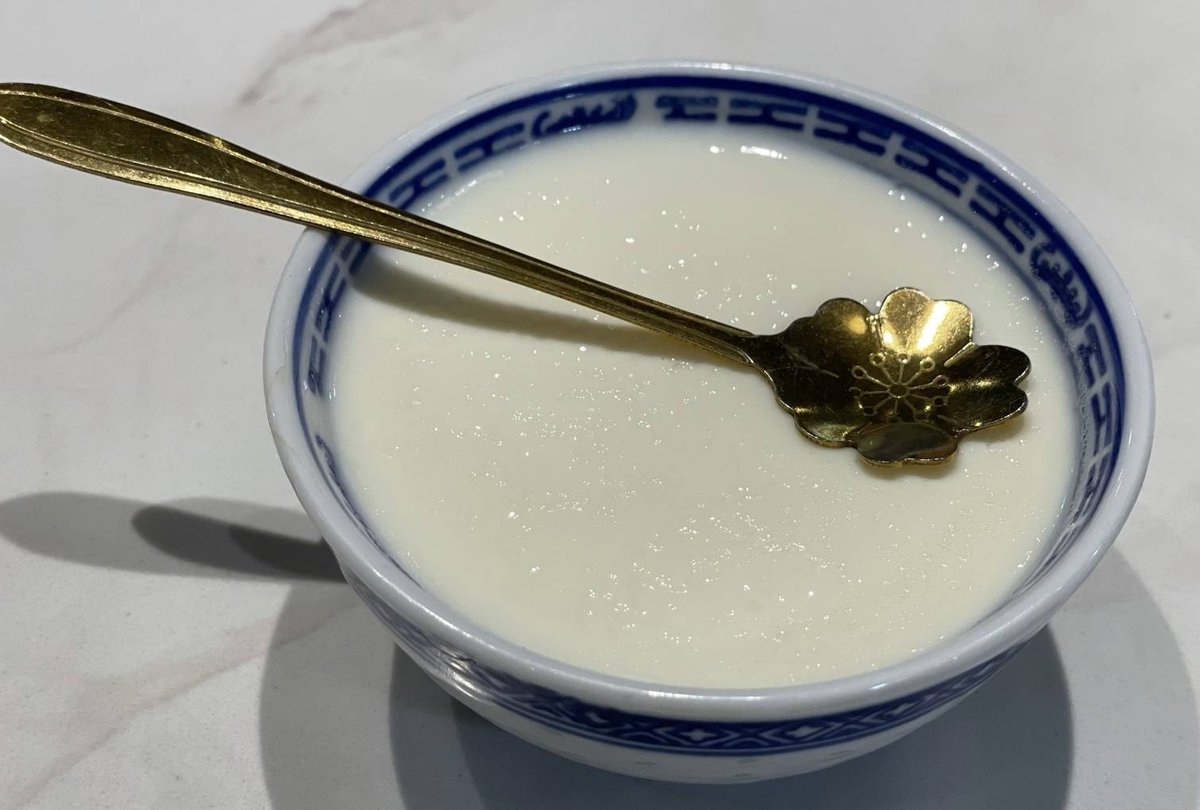
Three ingredients, no gelatin, and a surface that wrinkles under your spoon — the Cantonese dessert that sets with a skin on top and another one hiding at the bottom of the bowl.
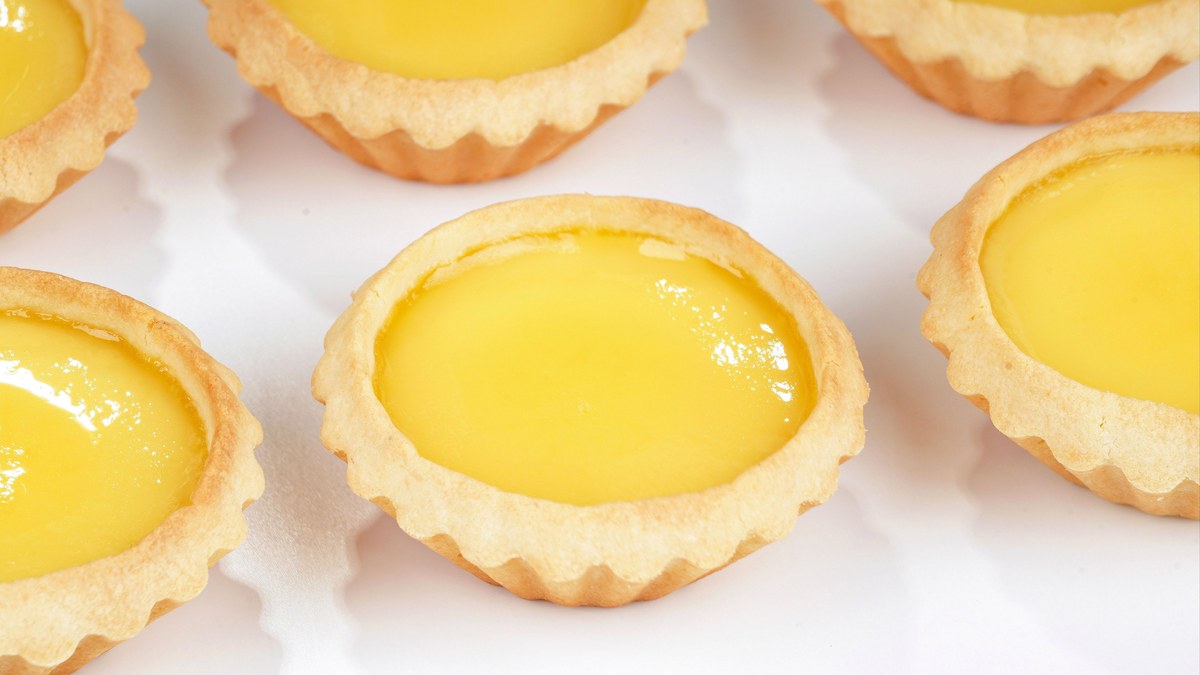
Butter and caramelised sugar, then the swing door at the back of the cha chaan teng bangs open and the tray comes through — egg tarts arrive on their own schedule, and you are either sitting when the wave lands or watching an empty rack.
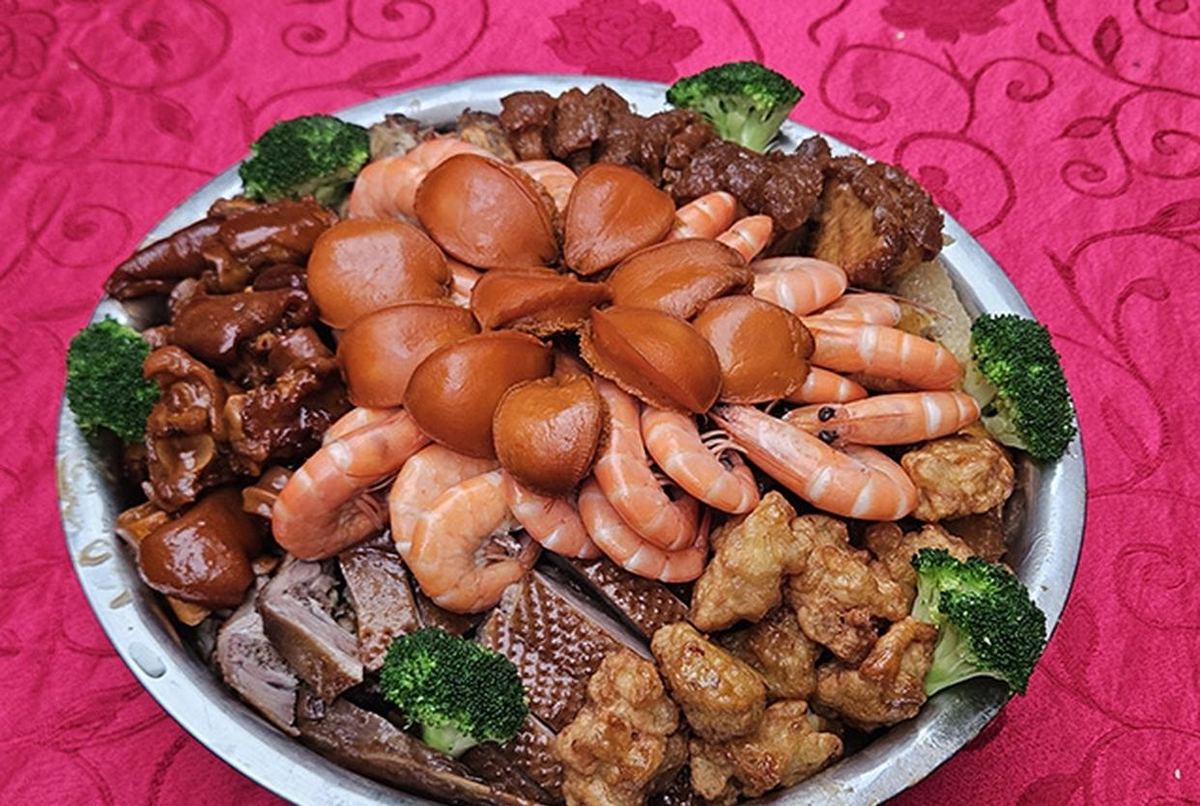
A stainless steel basin the size of a bicycle wheel lands on a gas ring — radish and nam yu pork belly underneath, braised abalone on top, and one rule: you eat it from the top down.
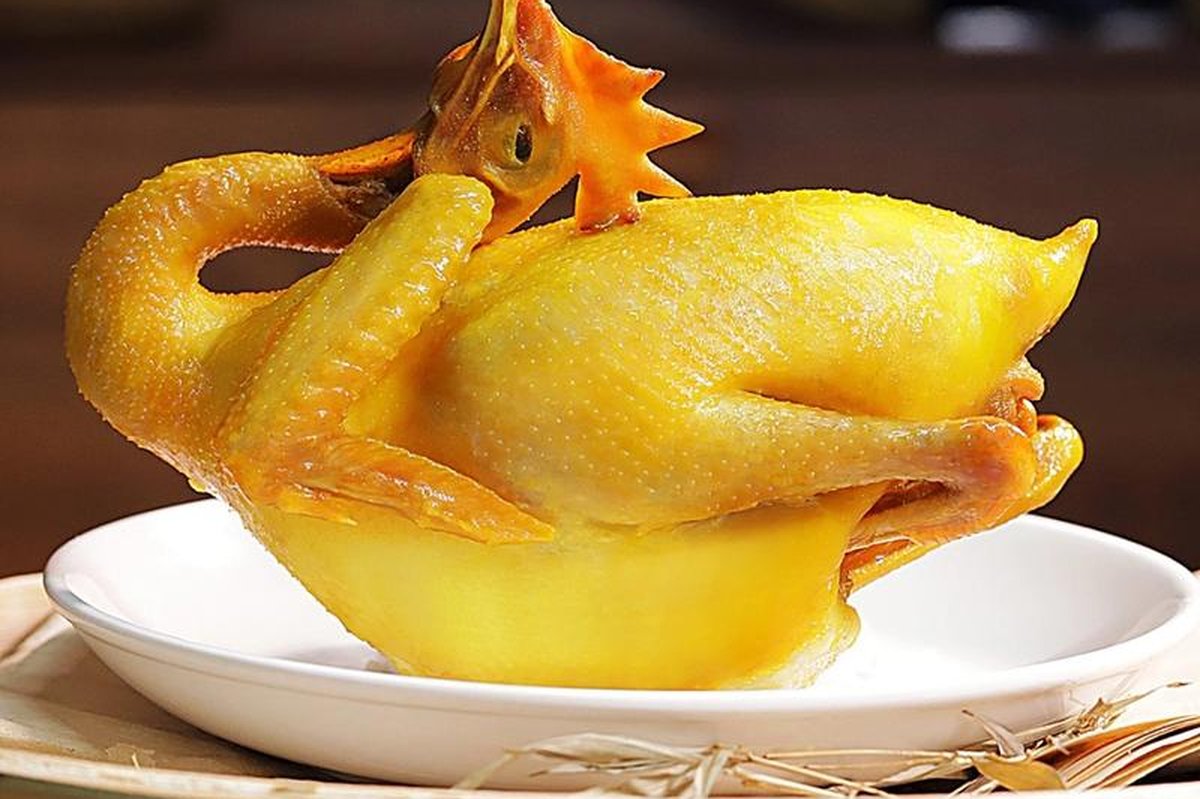
A whole chicken is rubbed with sand ginger, wrapped in coarse paper and buried to its neck in a wok of hot salt — no water, no sauce, and a flavor that reaches the bone.
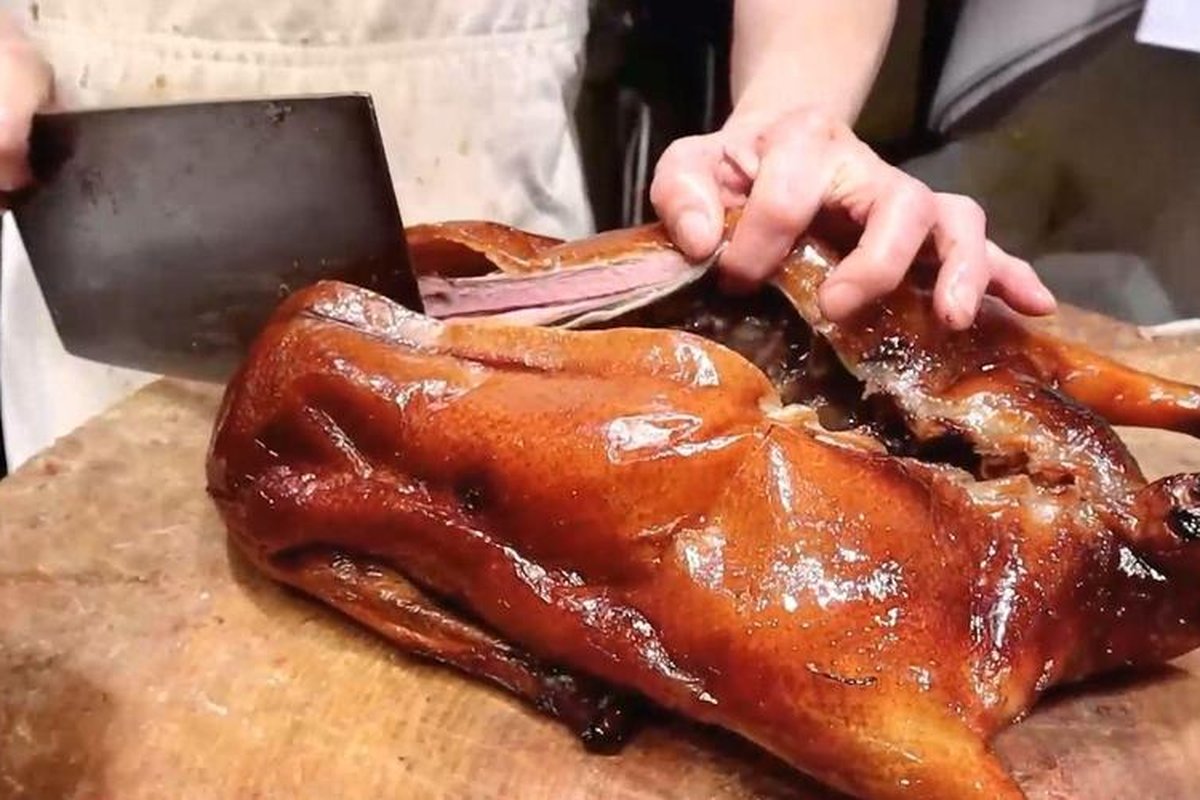
A goose comes out of the oven the color of lacquer, skin pulled tight over a layer of fat that bastes the meat from inside — and in Sham Tseng they chop it through the bone while it is still crackling.
Six tea types, a thousand mountains, rituals that turn leaves into ceremony

Oxygen, light, water and smell end more tea than bad leaf ever does. What a tea caddy actually does, and how to store a cake so it keeps aging.

Shou Mei is the coarse, stem-heavy leaf the premium white tea grades leave behind — the cheapest way into aged white tea, and the one that gets better while you ignore it.

Bai Mudan keeps two leaves on the bud — more body, less money than Silver Needle, and the white tea Fujian families keep in a jar next to the rice.

Silver Needle is the only tea in China made from buds alone — picked before dawn, withered in the sun, never fired, never rolled. The gentlest cup in the world.

Raw pu'er — sun-dried, pressed into cakes, and aged for decades like wine until it turns from bitter and green into something sweet and worth more than a car.

Dianhong is the honey-sweet black tea from Yunnan's ancient trees — the same big-leaf bushes as pu'er, oxidized into a cup that drinks like dessert.
The world's most consumed spirit — four aromas, a thousand distilleries, stories in every cup

Four fermentation pits in Luzhou have been working since 1573. The mud in their walls is the recipe nobody can copy …

Every baijiu bottle is stamped with one of four aroma types — sauce, strong, light, rice. What they mean, and how to drink your first glass.

No grapes, no barrels, no oak — just sorghum, wheat, and a valley in Guizhou where the microbes have been doing the real work for 800 years.
AI · Programming · Tools · Automation · Indie Hacking
Paste the link into Feedly, Inoreader, NetNewsWire, Reeder, or any RSS reader.